He Actually Said It
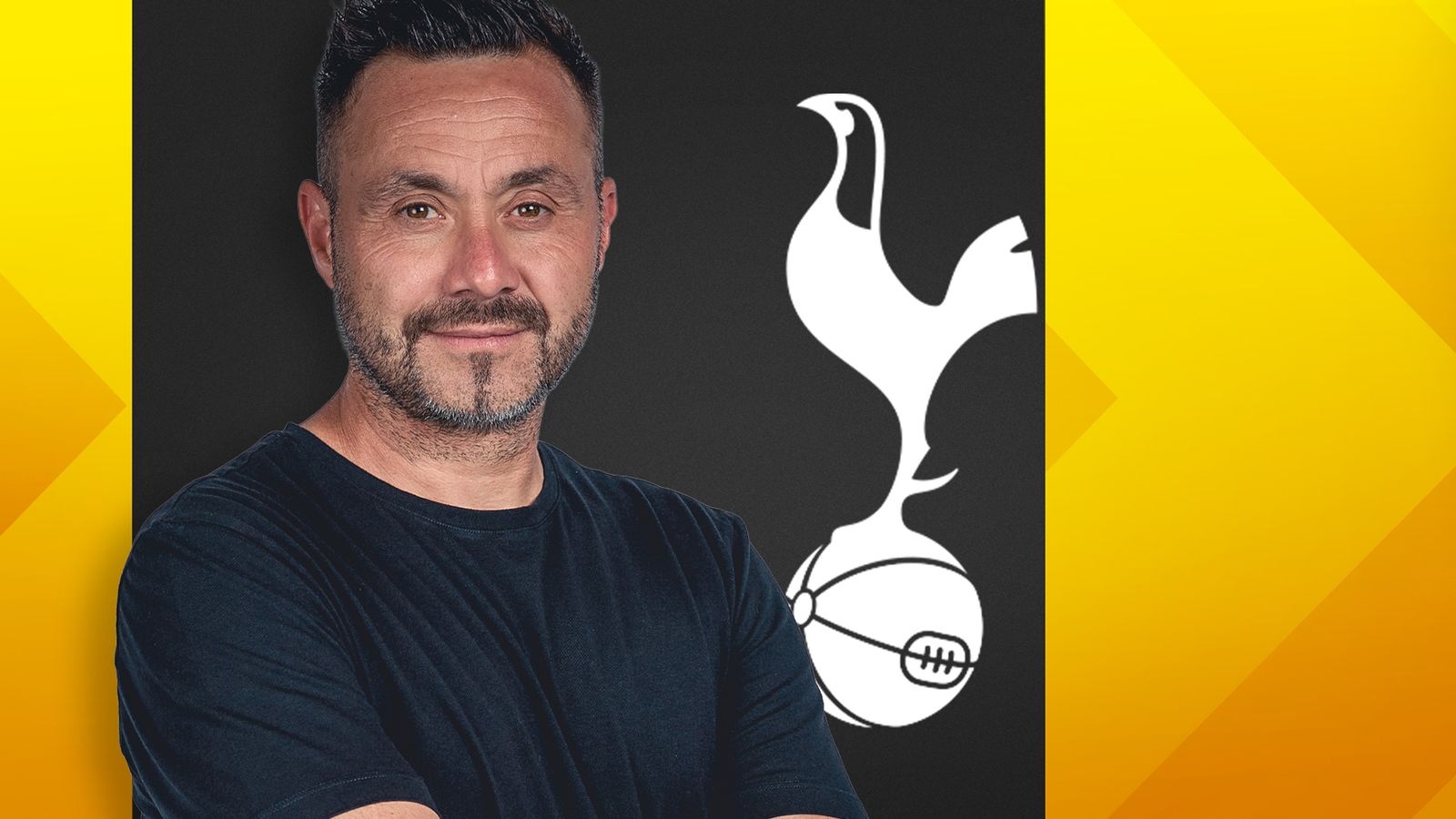
Roberto De Zerbi, a man who manages a football team with the same wild-eyed intensity of a scientist discovering cold fusion in his garage, finally did it. He said the thing. After Brighton’s chaotic, VAR-soaked draw against Manchester United, he looked into the cameras and didn't just complain about a decision. He diagnosed the disease.
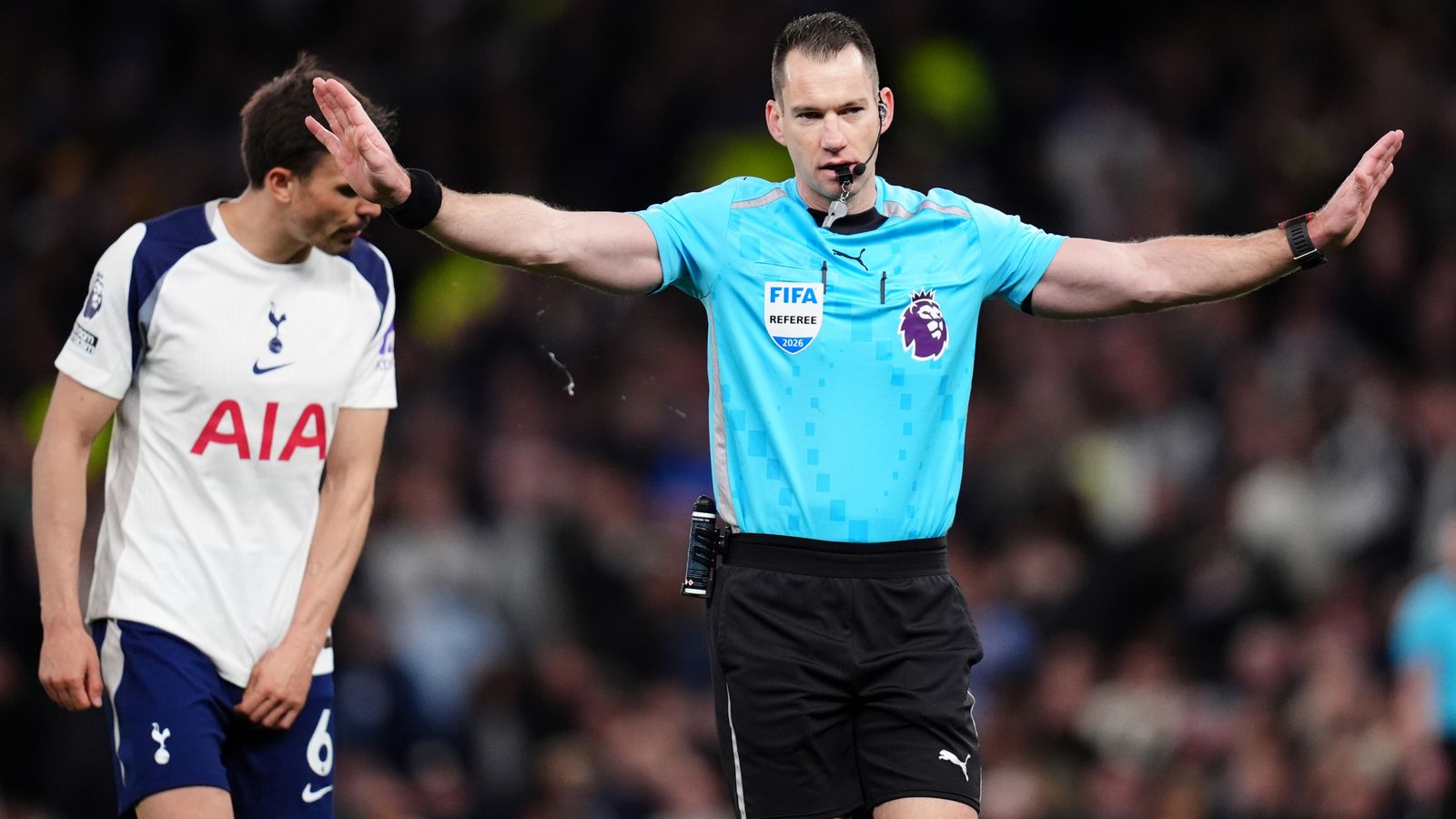
“The referee was not calm,” he said, and you could almost hear a thousand other managers nodding in furious agreement. “He was feeling the pressure of the stadium, of the game.” This wasn’t the usual, sanitized “I have to see it again” garbage. This was a direct shot. De Zerbi accused the man in the middle of not being an impartial arbiter, but a participant. A participant who was crumbling under the weight of it all.
And you know what? He’s absolutely, unequivocally right. The men in black (or neon yellow, or whatever bizarre color PGMOL cooks up next) are drowning. We’re watching it happen in real-time, every single weekend, and the league is suffering for it.
This Isn't About One Bad Call
Let's get one thing straight: this isn't about Brighton getting robbed. It's bigger than that. This is about the creeping, corrosive feeling that the outcome of a Premier League match is becoming a lottery. The anemic penalty given against them was just the latest symptom of a league-wide pandemic of officiating incompetence.
We all saw it. The ball skims a defender's arm from a yard away, an arm that's in a natural position, and suddenly it's a season-defining penalty kick. The VAR check takes an eternity, the referee jogs over to the monitor looking like a man forced to choose his own execution method, and inevitably, he sticks with the on-field shocker because overturning it invites another week of hell from the talking heads on TV. It’s a crisis of confidence, playing out in slow motion.
Think about the landscape this season. Remember Luis Diaz’s phantom offside goal for Liverpool? A moment of such catastrophic miscommunication it felt like a scene from a Armando Iannucci satire. Remember the endless, mind-numbing debates about whether a player’s sleeve was a millimeter ahead of a defender’s kneecap? We have fetishized the illusion of perfect accuracy to the point where we've forgotten what football is supposed to feel like. It's supposed to be fluid, emotional, and contested, not a sterile, frame-by-frame geometry lesson.
The Impossible Job
We've created an impossible job for these officials. We demand they keep up with players who are basically superhuman athletes, moving faster and more dynamically than ever before. Then, we give them a technological safety net (VAR) that has somehow become a spider's web, tangling them in more and more controversy.
VAR was sold to us as the end of debate. The final word. Instead, it’s just moved the argument into a dark room miles away from the stadium. Now, we don't just argue about what the ref saw; we argue about what some other guy, staring at a bank of monitors, *thought* he saw. The on-field ref is no longer the ultimate authority; he's a middle manager waiting for a decision from corporate. It's neutered them. You can see it in their body language. The hesitancy, the constant looking over their shoulder. They’re afraid to make a definitive call, and that fear is palpable.
And the pressure De Zerbi mentioned? It’s not just 60,000 fans screaming. It’s the millions on social media, the ex-pros in the studio ready to crucify them, the PGMOL chiefs who offer mealy-mouthed apologies but rarely seem to foster any real improvement. Every decision is a potential career-ender. It's no wonder they look like they're carrying the weight of the world. They are.
So What's The Fix? Spoiler: There Isn't An Easy One
Every time this happens, the same tired solutions get trotted out. “They need better training!” Sure. “They should be full-time professionals!” They are. “Let’s hear the audio from the VAR room!” That’s not a fix; that’s just turning a tragedy into a reality show, though I admit I'd watch the hell out of it.
The problem is deeper. It's systemic. We've asked referees to be something they can't be: perfect. The solution isn't another tiny tweak to the handball rule or a new camera angle. The only way forward is to fundamentally change the role of officiating.
Why not have former players in the VAR room? Someone who understands the biomechanics of a slide tackle, who knows what it feels like to have a ball blasted at you from five feet away. Someone with a feel for the game's chaos, not just its rulebook. Or let's get even crazier: let's radically simplify what VAR can even be used for. Limit it to offside and goal-line technology. That's it. Bring back the human element, for better or worse. At least then, the mistakes would be honest, human errors, not the result of a flawed, pseudo-scientific process that satisfies nobody.
De Zerbi’s comment wasn’t just a complaint. It was a cry for help. It was the sound of a man who loves the beautiful game watching it get strangled by process, fear, and pressure. The officials aren't villains; they're the ones being crushed in a machine of our own making. And until the league is brave enough to admit the machine is broken, we’re doomed to have this same conversation, week after agonizing week.