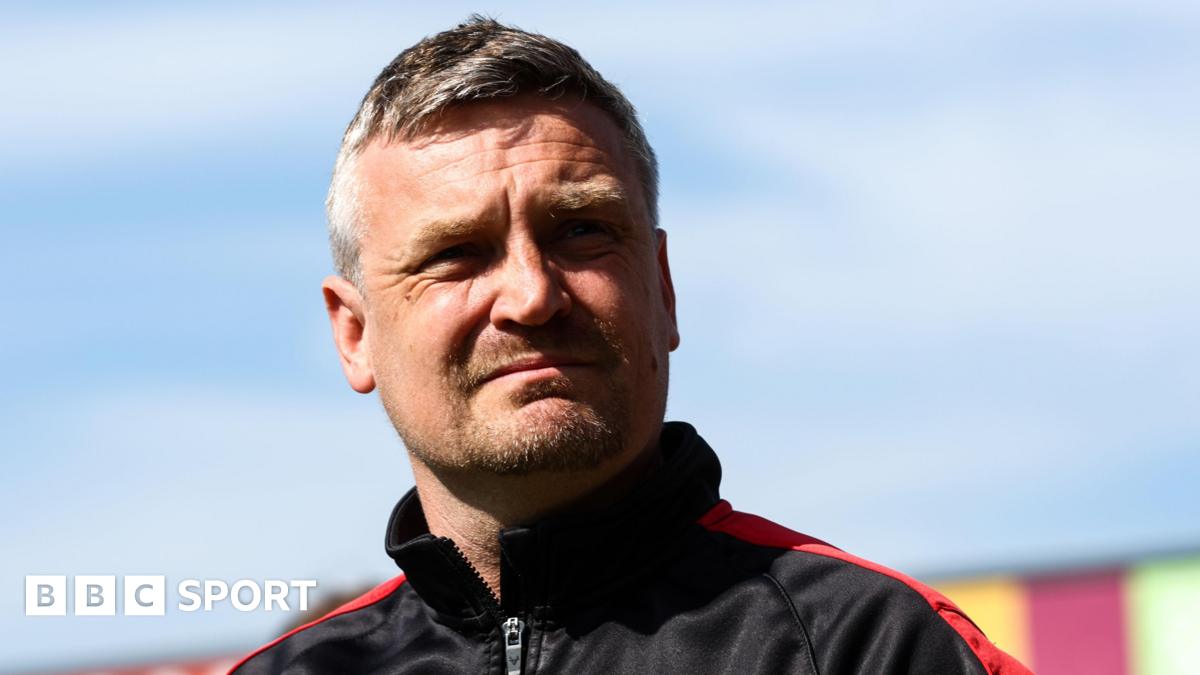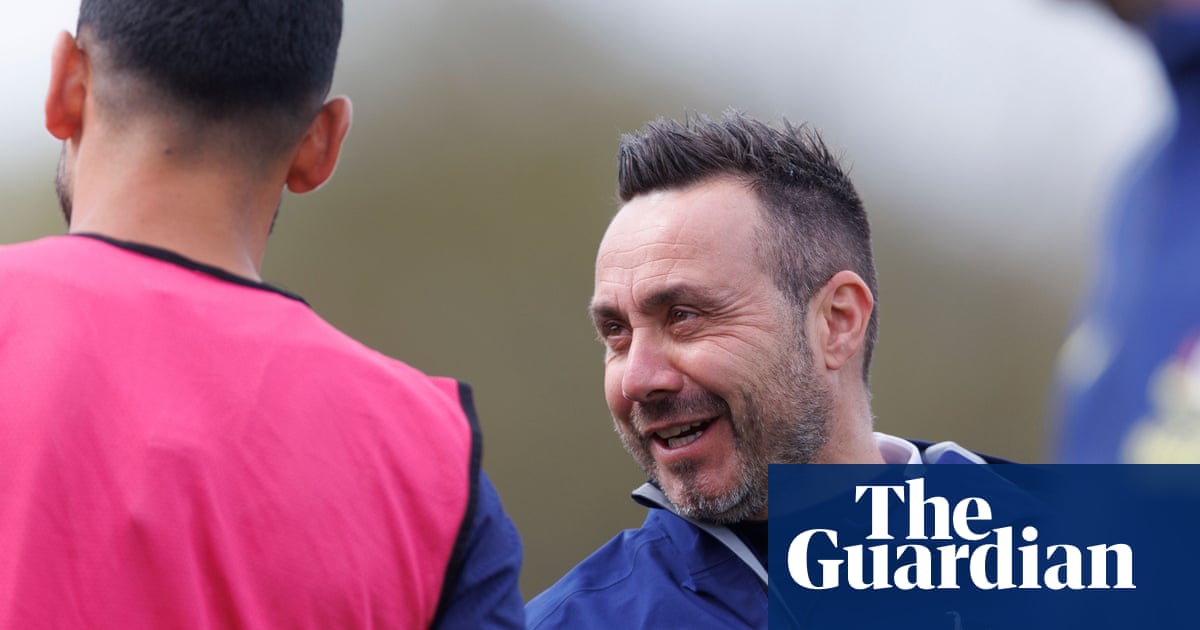
The De Zerbi mandate: Survival over style
Roberto De Zerbi arrived at Tottenham with a reputation as a tactical visionary, but the reality of 2026 demands a drastically different approach. The club is currently mired in a relegation struggle that ignores his preferred high-risk build-up play. Tottenham fans are witnessing a team that prioritizes safety over the clinical execution that defined De Zerbi’s previous work in the Premier League.
We are watching a squad struggle to reconcile their natural instincts with a new, defensive mandate. Their average pass completion rate has dropped by 4% since he took charge, a clear sign that players are hesitant during transitions. In football, hesitation is usually fatal. The side remains plagued by individual errors that consistently undermine their defensive organization.
Tactical friction on the training pitch
The core issue remains the transition phase. De Zerbi’s defensive structure requires perfect synchronization, yet the current defensive line often finds itself caught out of position with simple diagonal balls. Tracking the data, Tottenham’s failure to prevent counter-attacks has resulted in an xG against of 1.6 per match, a figure that is unsustainable for a team trying to avoid the drop.
There is a recurring issue with the spacing between the midfield and the defensive block. Against high-pressing opponents, the gap grows to roughly 25 meters, giving attackers far too much space to maneuver. The lack of compactness is not just a tactical quirk — it is a genuine flaw that opposing managers are exploiting with regularity.
The math behind England's ridiculous 11-team European dream
The narrative surrounding English qualification for next season is becoming increasingly convoluted. As The Guardian reported, the mathematical ceiling for English clubs in the Champions League has ballooned, creating a weird reality for everyone else. Tottenham, meanwhile, is effectively trapped in a different reality entirely, fighting for domestic survival while others calibrate their budgets for potential European expansion.
This disconnect permeates the locker room morale. When the club is constantly surrounded by transfer rumors, focus drifts away from the immediate task. The uncertainty surrounding player retention for next season is hindering the cohesion required to fix these defensive leaks before the final weeks of the campaign.
My prediction for the survival sprint
De Zerbi will likely save Tottenham, but it will be an ugly, frantic process rather than the polished football he wants to play. I predict they will secure safety on the penultimate weekend, but the reliance on individual moments of brilliance from their forward line will ultimately mask the deeper tactical failures that need addressing this summer. They are sleepwalking toward a tactical dead end if they do not reconcile these style issues, much like the regression we’ve covered with other clubs this year.
If the defensive metrics do not improve by at least 15%, the organization is looking at a rebuild that is far more expensive than staying in the league. The fans deserve more than a desperate scramble, but that is the reality of their current trajectory. The next few fixtures are not just games; they are a referendum on whether De Zerbi’s philosophy can truly survive under the pressure of a relegation fight.