The De Zerbi mandate in North London
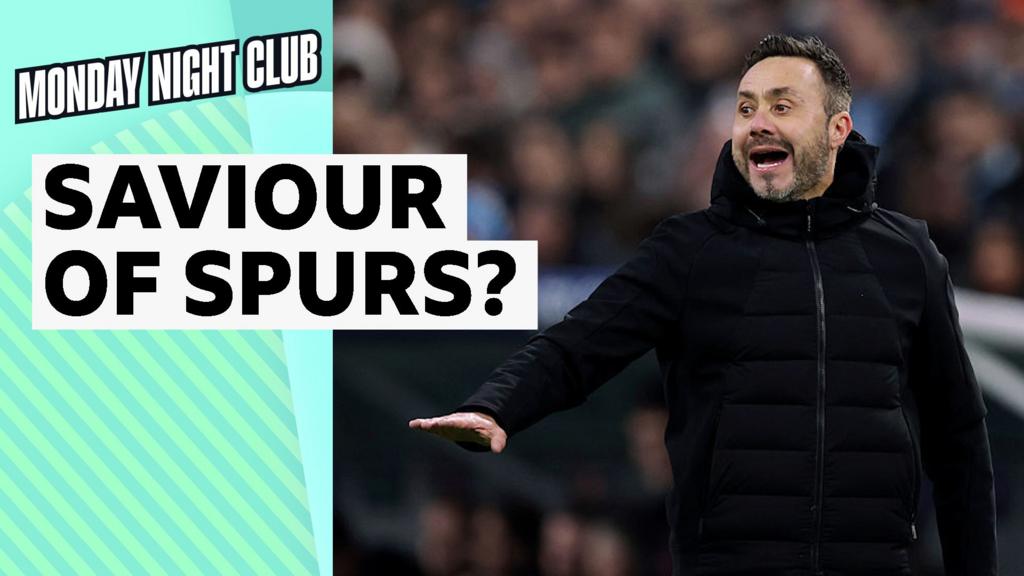
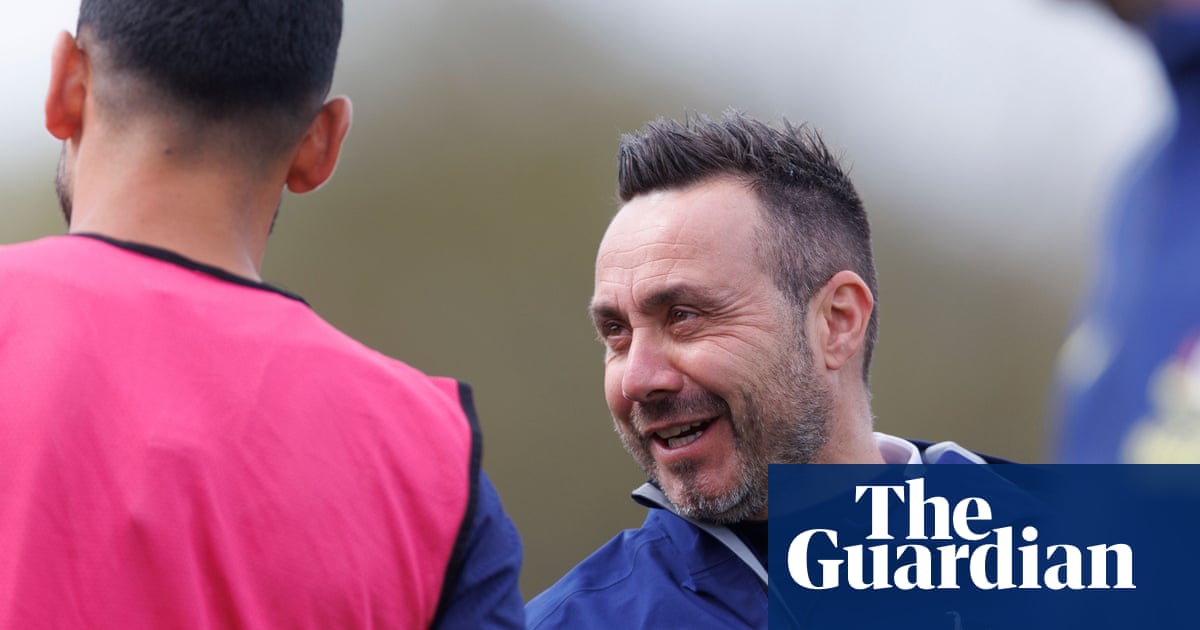
Roberto De Zerbi has officially taken the helm at Tottenham Hotspur with a singular, grim objective: preventing the club's first relegation in 49 years. With only seven games remaining in the season, the former Brighton manager faces a schedule that leaves zero margin for technical experimentation or tactical drift.
The Italian coach has signaled a desire to return to the high-octane principles popularized early in the Ange Postecoglou tenure. This is a pragmatic gamble. De Zerbi believes the current squad possesses the innate profile to execute a vertical, high-pressing game. The reality, however, is that Spurs sit in a position where their defensive structure has been nonexistent for months.
Tactical hurdles and personnel
De Zerbi’s reliance on build-up play through the back line requires center backs comfortable under pressure. Spurs currently struggle in this specific phase. Every time the opposition initiates a press, the Tottenham midfield becomes bypassed too easily. The transition from defense to attack has been sluggish since the turn of the year.
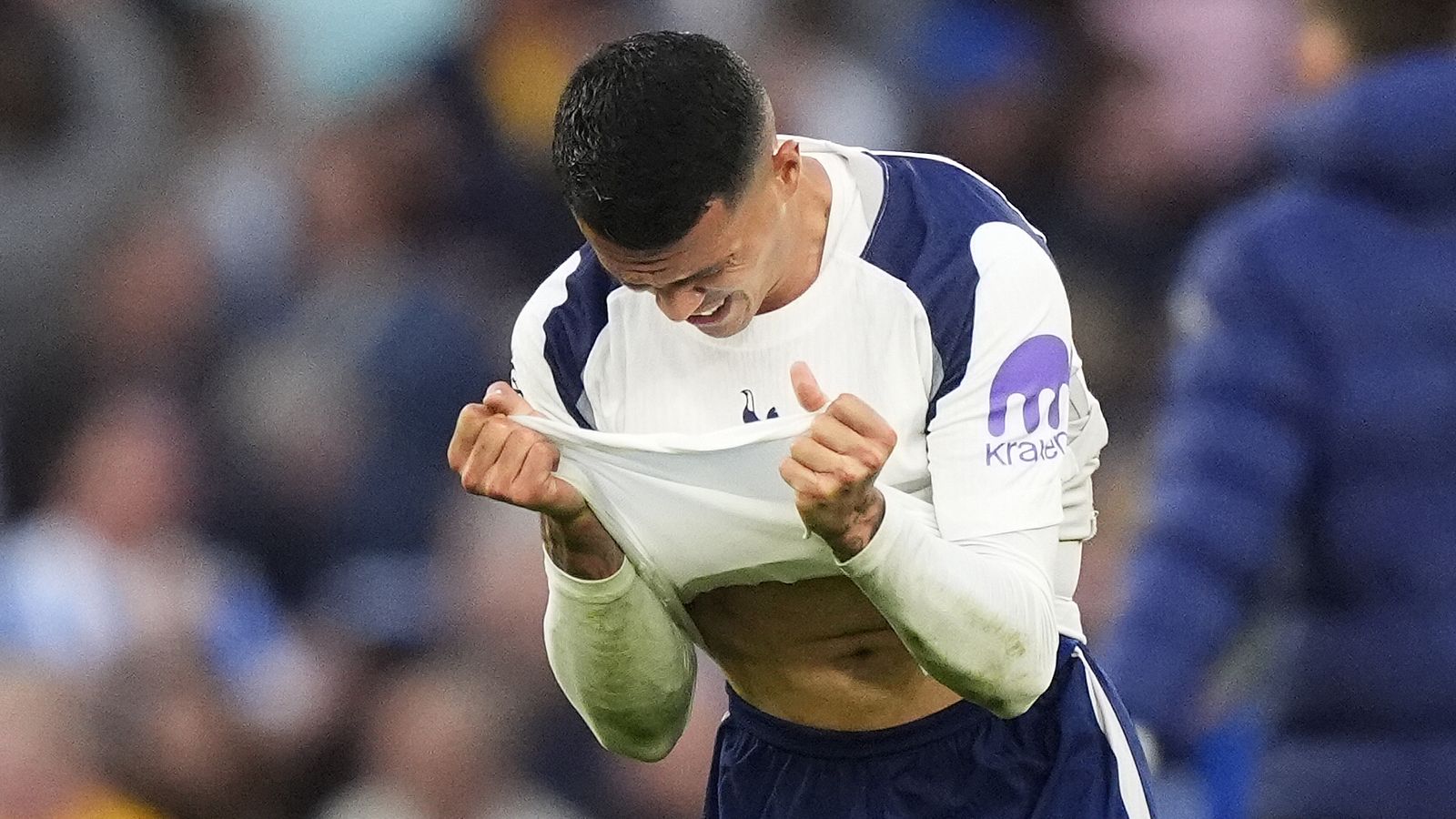
The shift to De Zerbi’s specific positional play will take time that he does not have. He relies on provoking the press to create numerical overloads higher up the pitch. If players like Cristian Romero or Micky van de Ven find themselves caught out of position, the lack of recovery pace in the wider areas will expose them immediately. This is not just a philosophical pivot; it is a high-stakes endurance test for individuals who have looked mentally drained throughout the 2026 campaign.
A look at the squad depth
The reliance on the current core is a concern. While sources suggest De Zerbi wants to emulate the energy of early Postecoglou-era tactical setups, he inherits a dressing room that has lost its clinical edge. The attacking output has dried up significantly since the late winter fixtures. Tottenham fans have witnessed a lack of hunger in the final third, a persistent issue reported by The Guardian on the eve of his appointment.
De Zerbi needs immediate results from his wingers. If he cannot find a reliable outlet for creative pivots, the team will continue to pass laterally without progress. This stagnant movement often leads to forced errors in the middle of the park, which will be death sentences against teams fighting for European qualification in April. He is essentially asking a broken machine to run at peak capacity on zero sleep.
The risk of the Italian approach
The primary concern for the boardroom is Defensive isolation. De Zerbi’s teams frequently leave their back four exposed while searching for space in the opposition’s half. In a relegation scrap, clean sheets are usually the currency of survival. De Zerbi is prioritizing a high-risk, high-reward offensive scheme regardless of the defensive fragility shown by the current defensive unit.
This methodology is polarising. Supporters want the proactive football that Postecoglou initially brought to the club, but the squad lacks the discipline to marry that style with basic defensive safety. If he forces this system into a high-press setup, the goal difference will suffer long before the defensive numbers stabilize. He is betting on the personnel to outscore the chaos, a strategy that has failed for managers at this level for generations.
Probability of survival
The probability of successfully implementing these tactical changes within seven games remains remarkably low. Survival requires points, not just style points. If De Zerbi can secure 12 points from the remaining 21 available, he might salvage the season. Anything less guarantees a drop to the Championship.
The pressure is compounded by the upcoming schedule, which includes direct clashes against sides that are equally desperate to avoid the bottom three. The lack of a proven goal-scoring pivot remains the team's biggest internal flaw. Unless a striker steps up significantly in the next three fixtures, the tactical philosophy will not matter against teams with better defensive discipline. The appointment is a last-ditch effort, and the failure of the previous regime has left too little time to fix the fundamental gaps in the starting lineup.
Read Next
- Roberto De Zerbi is the wrong fit for Tottenham's tactical mess
- Roberto De Zerbi is already losing the room at Tottenham
- De Zerbi inherits a Spurs record that demands more than just passion
- West Ham survival surge leaves Tottenham in a precarious position
- 🏆 Europa League Final 2026 — Full Coverage Hub