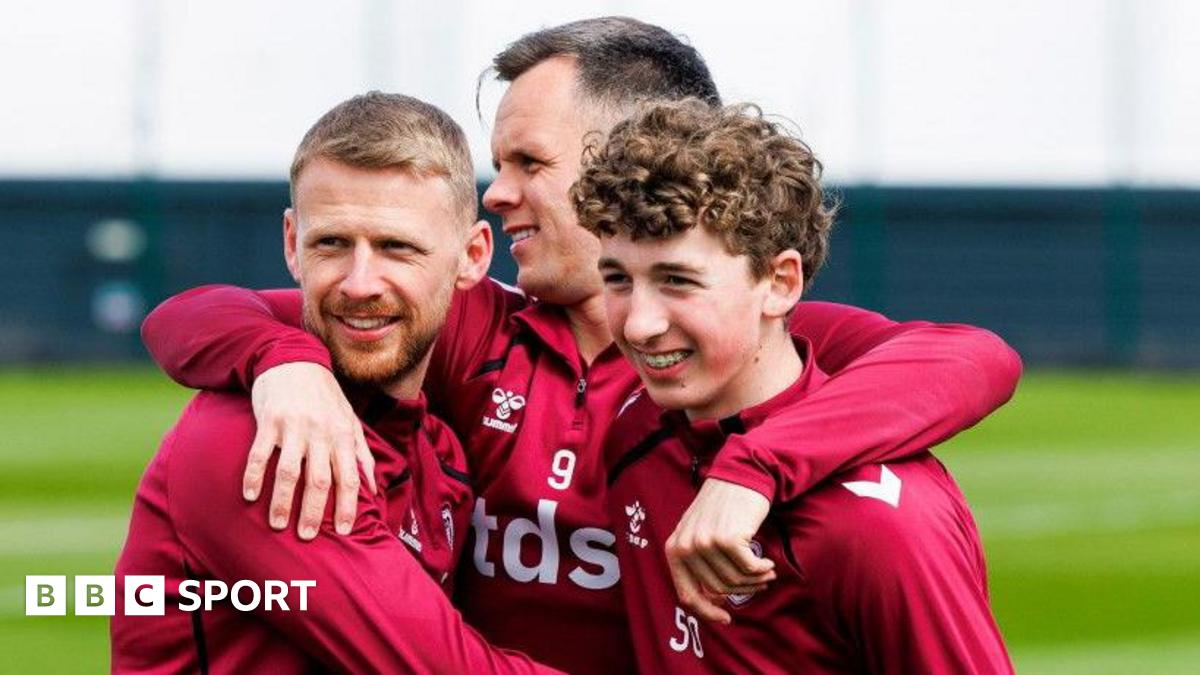
The Livingston stalemate exposes structural fragility
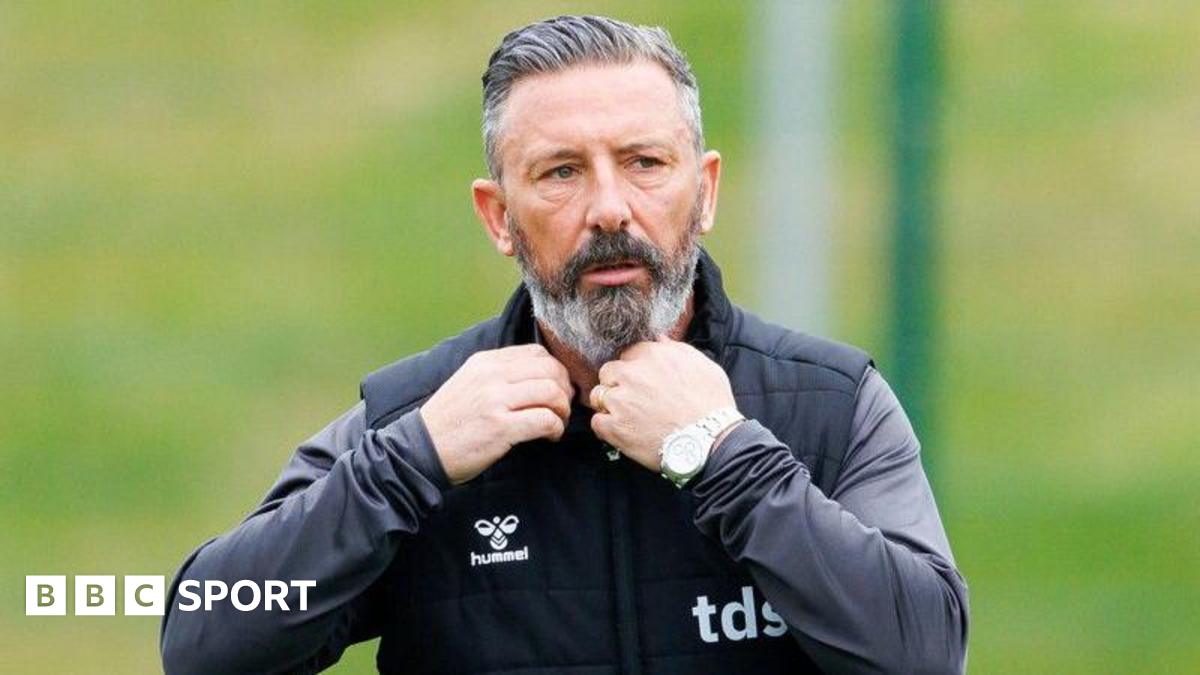
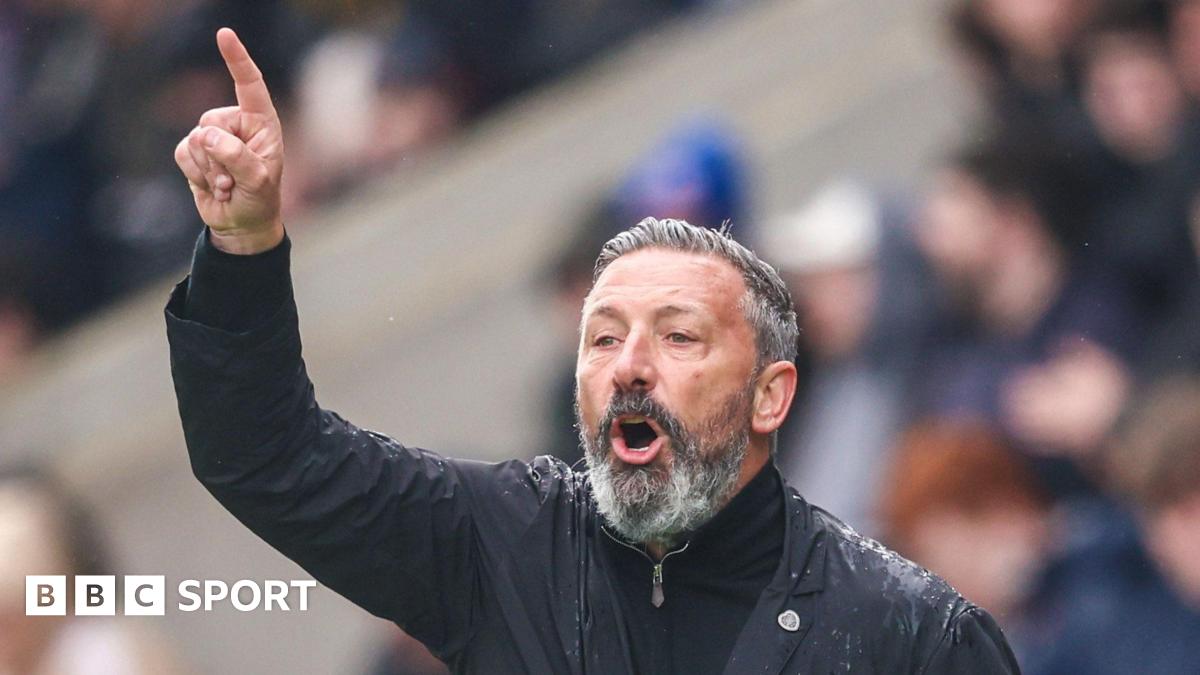
Derek McInnes walked into the press room after the Livingston draw with the air of a man trying to convince himself as much as the reporters. He made a point to remind everyone that his side remains at the top of the table. Mathematically, he is correct. Tactically, the optimism feels misplaced.
The performance at the Tony Macaroni Arena wasn't just a blip. It was a statistical indictment of how Hearts are being squeezed out of space. With only 0.84 xG generated over 90 minutes, the offensive movement was stagnant. The midfield pivot failed to find pockets between the lines, consistently forcing long balls that Livingston defenders dealt with ease.
The pressing triggers are failing to fire
Opposition managers have clearly identified the flaw in the Hearts build-up phase. If you sit deep and collapse on the defensive midfielders, the service to the forward line evaporates. At Livingston, the pass completion rate for Hearts dropped to 72 percent in the final third. This wasn't due to heavy pressure, but rather a lack of movement in the final phase.
McInnes has banked on individual brilliance to salvage points throughout this campaign. When the creative players are marked out of the game, there is no secondary tactical plan to fall back on. As the BBC reported, the manager is playing the 'still top of the league' card frequently now. That usually signals the beginning of a defensive collapse in morale.
Why the title race is tilting away from Tynecastle
The upcoming run of fixtures demands a level of intensity that current Hearts squads have not demonstrated since February. They are holding onto a 4 point lead over the chasing pack, but the momentum shifted the moment they dropped those two points on the artificial turf. The lack of depth in the wide areas is becoming a major liability.
When a fullback is forced to provide the width, the defensive transition becomes vulnerable. The team has conceded 6 goals in their last four matches from counter-attacking transitions alone. It is a recurring pattern of over-committing bodies without the necessary speed in the recovery phase to prevent long-ball runners from breaking behind the high line.
The manager needs a tactical pivot
McInnes must consider altering his formation before the next fixture. The current 4-2-3-1 relies too heavily on the pivot players rotating effectively. Against organized blocks, this set-up becomes two banks of flat players with no verticality. Introducing a third midfielder to facilitate progressive carries could solve the spacing issue. However, that requires benching a regular starter, a move that requires more conviction than McInnes has shown lately.
Confidence in the dressing room appears to be wavering. A manager leaning on status rather than specific performance improvements usually indicates a lack of solutions on the training pitch. If they don't find a way to break down low-block defenses within the next ten days, the lead will vanish entirely.
My prediction for the weekend is a frustrating draw. They will boss possession but lack the required intensity in the final third to break through a determined mid-table side that knows exactly how to trigger the Hearts panic reflex. Expect a 1-1 scoreline that leaves McInnes answering even tougher questions about his squad's mental resolve.
Read Next