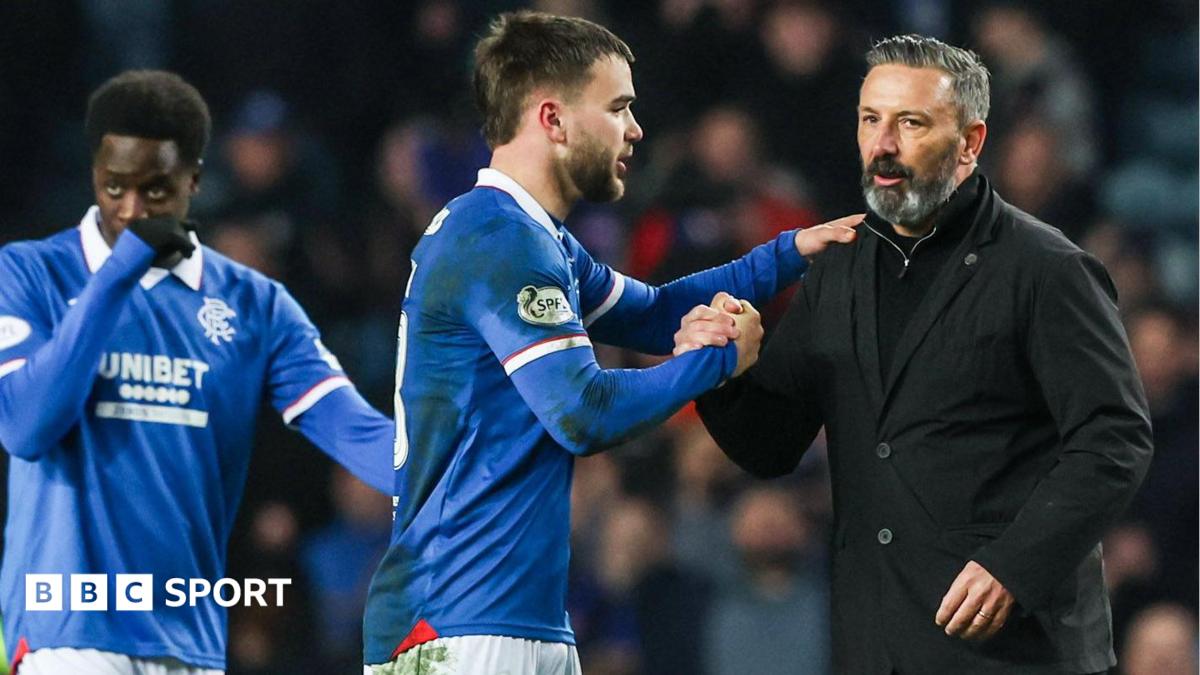
Measuring the mountain McInnes must climb
Derek McInnes arrives at Ibrox inheriting a statistical basement that demands immediate structural correction. The math behind the current Rangers setup is stark. In the final phases of the previous campaign, the team averaged a possession retention rate of 57% against bottom-six opposition, yet failed to translate that dominance into high-quality chances.
The data suggests a systemic failure in the final third. Rangers recorded an xG of just 1.12 per match over their last ten league outings. This is not the output of a side challenging for domestic dominance. It is the output of a team struggling to bypass organized low-block defenses.
The defensive transition failure
McInnes needs to stabilize the backline immediately. The conceded goals metric for the calendar year 2026 shows Rangers leaking 1.4 goals per match, a figure that places them significantly lower than the league average for top-three finishers. Opponent pass completion rates against Rangers hovered at 78% during the last quarter, signaling an inability to prevent central penetration.
While fans may hope for a sudden tactical shift, the underlying metrics indicate the squad is physically overstretched. Players maintained an average high-intensity sprint distance of 8.2km per match, leaving them prone to conceding in the 82nd minute or later. This fatigue-led defensive drop-off resulted in a loss of 9 points from winning positions before the season concluded.
The McInnes tactical identity
Expect a more pragmatic setup from the former Kilmarnock manager. Historical data from his previous tenures shows a preference for a more compact 4-4-2 block, sacrificing vertical possession for defensive rigidity. He will likely look to curb the expansive, often reckless full-back surges that left the center-halves exposed in isolated 1-v-1 scenarios.
The current squad composition remains heavily tilted toward ball-progression midfielders who provide little in the way of defensive cover. McInnes must decide whether to retain these profiles or integrate workhorses who can increase the tackle success rate, which currently sits at a meager 44% in the attacking third. This lack of ball recovery in high positions forces the team to defend for longer stretches, further compounding their fatigue issue.
The reality check at Ibrox
Statistical improvement is rarely linear, and the transition will be painful. McInnes takes over a side that posted a dismal 31% conversion rate on set-piece opportunities, a vital area for any manager looking to manufacture goals against defensive-minded opponents. He faces a significant labor in re-tooling a side that often appeared tactically adrift.
As the BBC recently highlighted, the Ibrox hotseat provides little grace for experimentation. While the supporters demand rapid progress, McInnes must prioritize base-level stability over flashy results. If he fails to raise the points-per-match average from the current stagnant levels, the pressure will mount by the end of the first quarter of the new season.
Read Next