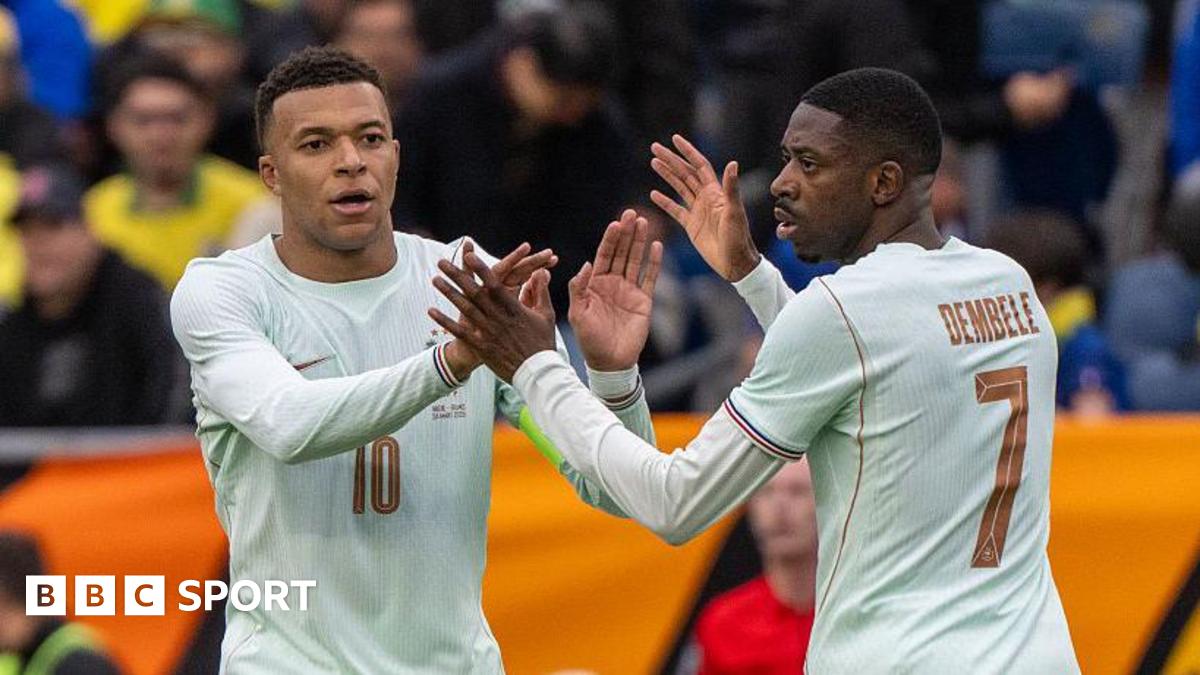
Why France is the team to beat
With kickoff only 48 hours away, the tactical chatter surrounding the 2026 World Cup has reached a fever pitch. While England deals with its perennial roster uncertainty and the organizational fallout from the Iran ticket allocation controversy, Didier Deschamps has quietly refined his machine. The recent friendly displays prove France is operating on a different technical plane than its rivals.
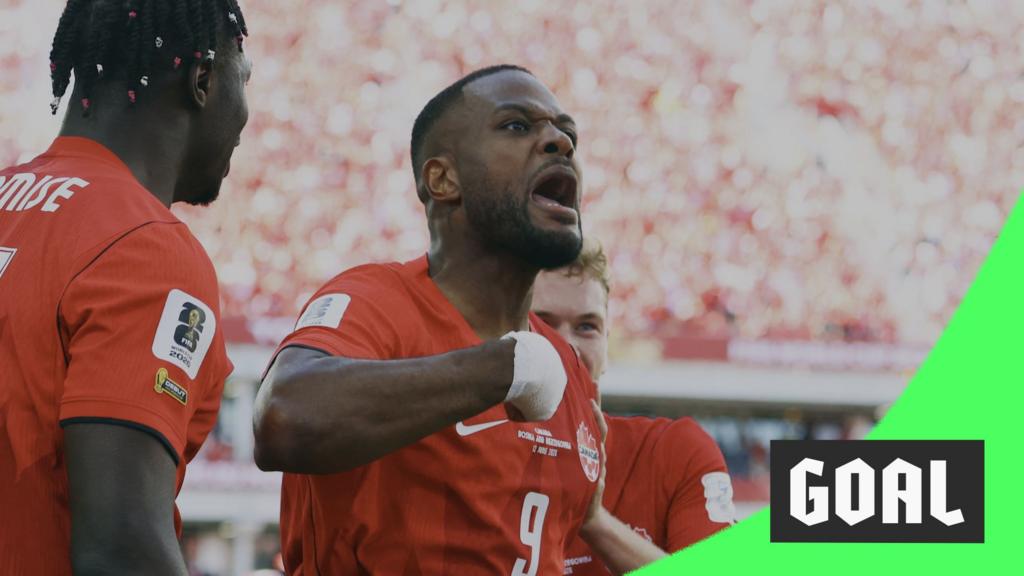
Michael Olise has emerged as the definitive creative engine for Les Bleus. In his most recent outing, he showcased a level of verticality and progressive passing that forces defensive blocks to collapse inward, leaving space for Kylian Mbappé to exploit in the half-spaces. His expected assists per 90 remain among the highest for any attacking midfielder in international football right now.
France’s defensive structure is equally rigid. Deschamps has settled on a hybrid shape that shifts from a 4-3-3 in possession to a compact 4-1-4-1 when pressing high. They aren't just sitting back; they are baiting opponents into aggressive turnovers in the middle third. Once they dispossess an opponent, their transition speed is lethal.
The organizational noise elsewhere
Contrast this stability with the chaotic headlines dominating the news cycle today. As The Guardian reports, Michel Platini has escalated his standoff with Gianni Infantino by filing a formal complaint. These aren't just minor footnotes; they are distractions that filter down into the subconscious of national camps. Even Neymar is still on the mend, leaving Brazil’s creative prospects in a state of flux.
The Iran ticketing issue is another sign of administrative distraction that often precedes poor tournament exits. When a federation cannot master its own logistics, the players rarely remain insulated from the pressure. France, by contrast, has avoided these headlines, maintaining a professional distance that suggests a squad single-mindedly focused on the final match.
The final verdict
My prediction rests on the depth of the French attacking pool and the lack of a cohesive, veteran defensive unit in the rival camps this year. Germany is in a transition phase, and the technical flaws in Brazil’s defensive positioning give France an edge in every head-to-head scenario I have modeled.
Expect them to concede fewer than 0.5 goals per match through the group stages. They will punish high lines with pinpoint diagonal balls, and their bench strength ensures that fatigue won't be a factor during the knockout rounds in the humid American summer. Unless an elite counter-pressing side emerges from the obscurity of the group cross-overs, this trophy ends up in Paris.
Read Next
- France look terrifyingly sharp heading into the World Cup
- Didier Deschamps is leaving the building and nobody knows what happens next
- Scotland’s path to World Cup glory runs right through North Carolina
- Bureaucracy is already sabotaging the 2026 World Cup
- 🏆 World Cup 2026 — Full Coverage Hub
- 🇫🇷 France World Cup 2026 — Les Bleus Hub