
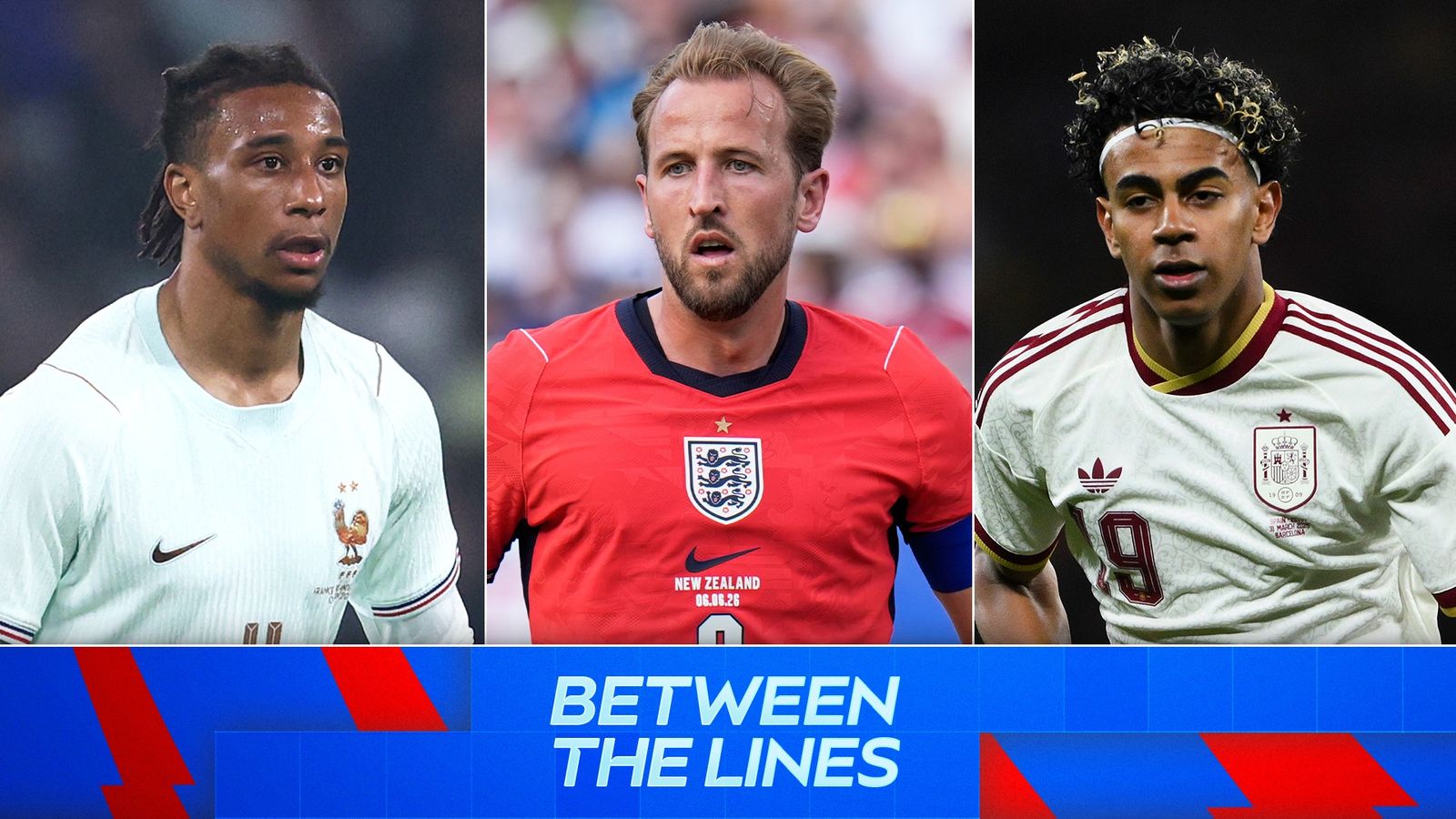
Pressure mounts as Three Lions prepare for tournament opener
England enters the 2026 FIFA World Cup as the third favorite to lift the trophy. With the tournament kickoff scheduled for June 11, Gareth Southgate’s squad has settled into their base camp in North America under intense scrutiny. Public perception trails behind Spain and France in the betting markets, yet inside the dressing room, the mood remains business-like. This squad carries the weight of recent near-misses and a cycle of tactical evolution that has left supporters divided on their potential ceiling.
The current setup is a result of years of refinement, but lingering gaps in the defensive unit leave room for doubt. While the attacking depth is unparalleled, questions remain regarding the consistency of the central midfield pairing under pressure. As noted in recent assessments by Sky Sports, the transition from possession-heavy domestic football to the high-intensity knockout tournament format creates a distinct style clash that has previously stifled these players.
Tactical realities before the opener
The reliance on individual brilliance to solve low-block defenses remains the primary concern for the coaching staff. Against elite nations like France, relying on a solitary moment of magic is a strategy with a low success rate. Fans are monitoring the fitness logs daily, knowing that one key injury to the spine of the team effectively renders the current game plan obsolete. The tactical shape suggests a shift toward a more fluid, high-pressing transition game, a move that demands peak physical conditioning even in the humid group stage conditions.
Critics point to the lack of a true holding midfielder during transition moments as the team's Achilles heel. If a counter-attack breaks past the final defender, the scrambling recovery pace has been lackluster in recent friendlies. This vulnerability is exactly what opponents like Argentina and Brazil will look to expose during the group stages. If the structure breaks down, the backup plan often looks indistinguishable from a panicky withdrawal into an overly deep defensive shell.
The margin for error is non-existent at this level; one lapse in concentration results in a flight home.
That sentiment, whispered around the training ground this week, reflects the stark reality for a squad that has long promised glory but failed to capture the ultimate prize. The team has evolved, but the ghost of 2024 still haunts the periphery of every tactical discussion. Training sessions are noticeably sharper, with Southgate prioritizing set-piece efficiency to compensate for any lack of cohesion in open play. It is a pragmatic approach for a competition that is won or lost in the details of isolated dead-ball situations.
Comparisons to European rivals
Spain enters the tournament with a more harmonious blend of youth and experience, utilizing a possession-based game that forces opponents to chase shadows. France, meanwhile, possesses a physical profile that England struggles to mirror. While the Three Lions match up well in terms of pure technical ability, the contrast in tournament pedigree is impossible to ignore. Spain and France have both cemented themselves as winners within this current cycle, whereas England remains in the stage of building momentum without the trophy to validate the project.
There is also the logistical hurdle. Traveling across disparate time zones with limited recovery windows between games will test the depth of the roster like never before. The bench will be expected to contribute minutes in games that are already decided or tight affairs requiring fresh legs for the final 20 minutes of high-intensity running. A single tactical error in team rotation could derail the entire campaign before the quarter-finals.
Ultimately, this team is built to compete for titles, but they have yet to prove they can survive a deep tournament run against the world's most disciplined defensive setups. The talent is present. The leadership in the middle of the park is established. However, the emotional burden of the English media narrative is a force that historically consumes campaigns from within. Reaching the final four is the expectation; anything less will be viewed as a regression of the work done since the last major tournament cycle concluded.
The training pitch at the base camp has been restricted to media for most of the week, with an emphasis on closed-door tactical drills. It is a sign that the group is insulating itself from the external noise. If they can maintain this focus while navigating the initial hurdle of the opening group match, they have the firepower to remain in the hunt through the knockout phase. The question is whether they have the grit to play through the 90 minutes when the game turns into a street fight rather than a tactical chess match.
Despite the high odds placed on their rivals, the internal goal remains the trophy. Every drill, every substitute, every tactical tweak has been designed for this specific window of time. If they fail to deliver, the conversation will shift immediately to a total overhaul of the current coaching philosophy. The stakes are effectively total, mirroring the pressure faced by the biggest clubs in Europe currently undergoing their own radical transformations.
Read Next
- Scotland’s path to World Cup glory runs right through North Carolina
- Bureaucracy is already sabotaging the 2026 World Cup
- FIFA's World Cup officiating crisis is already here
- Omar Artan's absence is an early officiating blow for the World Cup
- 🏆 World Cup 2026 — Full Coverage Hub
- 🏴 England World Cup 2026 — Three Lions Hub
