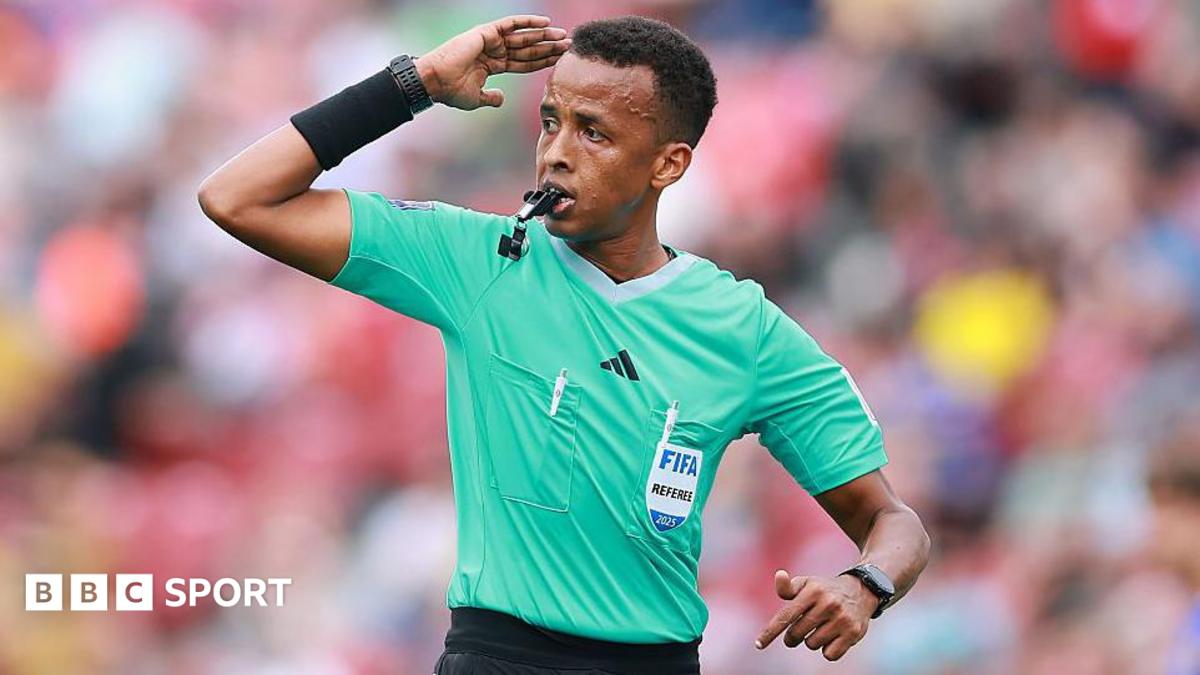
FIFA's World Cup officiating crisis is already here

Broken borders and blind spots
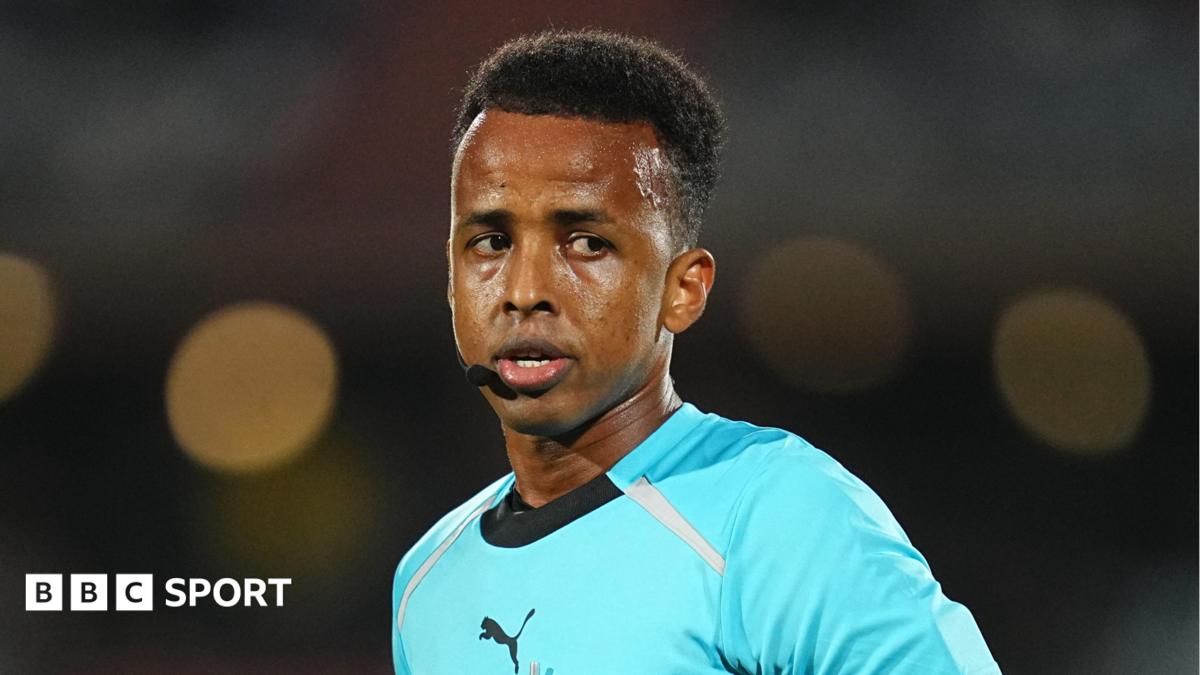
The 2026 World Cup kickoff is exactly 48 hours away, yet the officiating roster is already in chaos. Omar Artan, a fixture on FIFA's elite list, will not step foot on a pitch in the United States. His entry has been denied, forcing a late-stage scramble at the governing body. This is not just a scheduling headache; it is a signal of operational fragility.
As The Mirror reported, Artan was informed of his travel ban with virtually no runway to resolve the dispute. FIFA managed to assemble their primary officiating stable for months, yet failed to account for basic individual visa clearances or diplomatic friction. Professional football demands precision, yet the back-office handling of this tournament feels amateur.
The cost of administrative failure
Referees are the invisible backbone of the tournament. When a lead official is pulled, the ripple effect on the bench is significant, as assignments must be shuffled to accommodate remaining personnel. Maintaining consistency requires an ingrained rhythm between the VAR booth and the center referee, now disrupted by a bureaucratic misfire.
The optics are poor. Hosting a global tournament in the United States comes with complex immigration logistics, which FIFA should have mapped during the bid phase. Allowing an official to prepare for months only to block their transit at the final hurdle reflects a breakdown in communication that would be mocked at the Sunday League level.
The shadow of over-centralization
This incident exposes the inherent weakness in FIFA's current model. The leadership seeks to exert absolute control over international officiating but relies on a thin, brittle command structure. There is no contingency for the mundane reality of international statecraft.
Technical analysts often discuss how LLM agents fail when they move beyond controlled test environments, and FIFA’s management of this event suffers similar symptoms. They operate under the assumption of a frictionless environment, ignoring the reality of border policies and legal hurdles. If they cannot manage the entry of a single official, one wonders how they will manage the inevitable video assistant controversy when it strikes on matchday one.
The tournament relies heavily on digital efficiency to guide decisions, yet the analog world is catching up to them. FIFA’s reliance on complex rulebooks and centralized directives left them blind to the most obvious barrier to entry. Every system is only as strong as its weakest policy check, and today, that policy check is losing 1-0 in stoppage time.
The pressure is now intense. Replacement officials are being forced to integrate into teams they haven't trained with, creating a recipe for inconsistent foul thresholds and card distribution. Fans expect the highest level of officiating for the $200 million-plus stake on the tournament, not a scramble for bodies. If the officiating starts poorly, the criticism will be deserved.
Amazon Fire TV Stick 4K Max
The ultimate streaming companion for catching every Premier League and World Cup
Frequently Asked Questions
Why is Omar Artan unable to officiate in the World Cup?
How does the loss of a lead official impact the tournament?
What does the Artan case reveal about FIFA’s administration?
Who is responsible for the officiating scheduling breakdown?
What are the risks of using late-replacement referees?
More Coverage

FIFA World Cup 2026: The injury report early in tournament play
2 hours ago
Michael Oliver benched before he even blows a whistle
3 hours ago
West Ham inquiry faces conflict of interest hurdles over regulator ties
4 hours ago
Michael Buble opening a World Cup tournament is the peak surreal sports moment
7 hours ago
Why the Azteca renaming signals a shift in World Cup identity
12 hours ago
World Cup 2026 is already showing its ugly side
12 hours agoMore Analysis
Bureaucratic incompetence threatens the 2026 World Cup integrity
3 days, 12 hours ago
Omar Artan's absence is an early officiating blow for the World Cup
4 days, 5 hours ago
Bureaucratic bungling threatens to overshadow the World Cup opener
3 days, 23 hours ago
The World Cup's missing referee shows the human cost of administrative failure
2 days, 19 hours ago
FIFA's reputation hangs by a thread as the World Cup kicks off
2 days, 12 hours ago