FIFA's logistics nightmare starts at the border
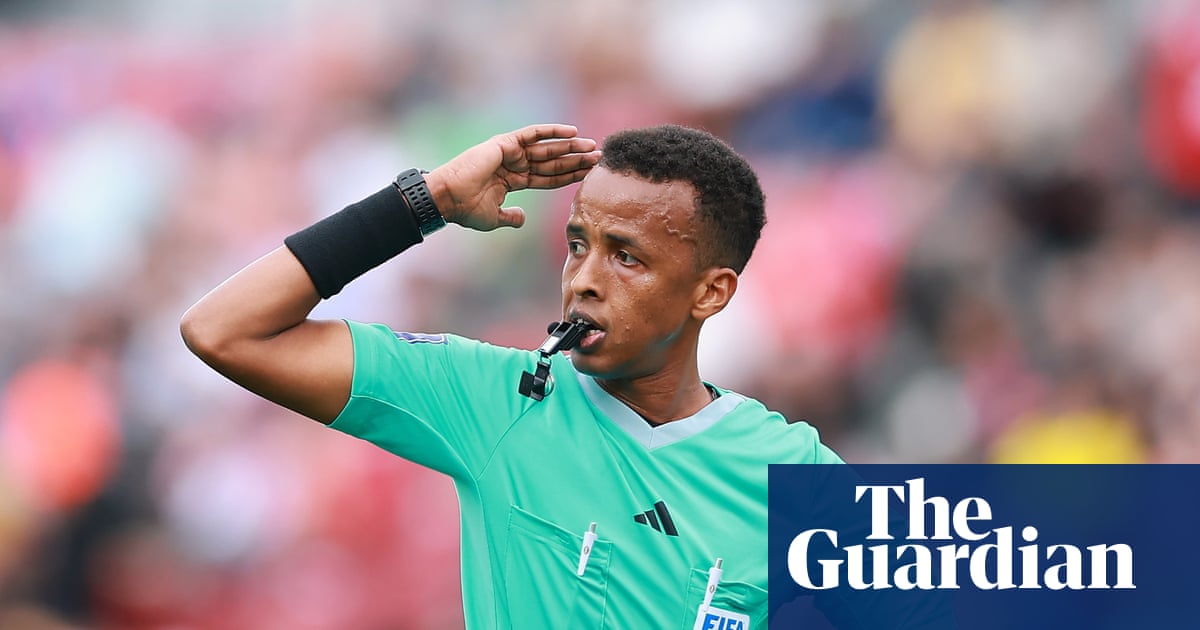
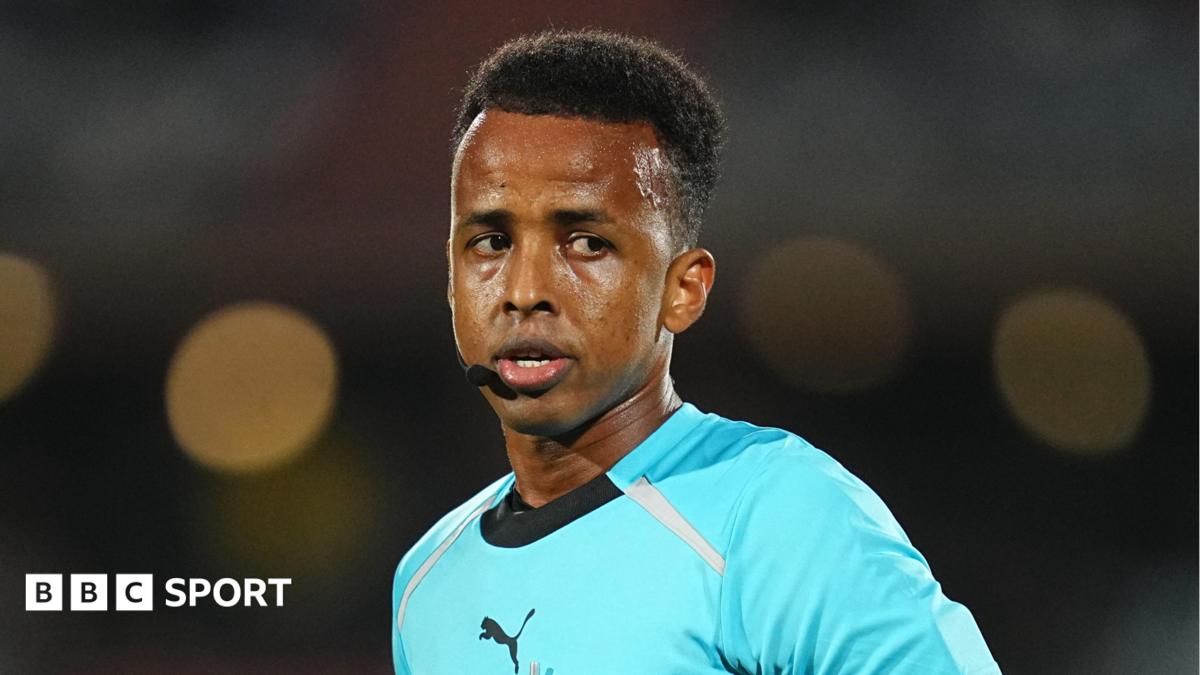
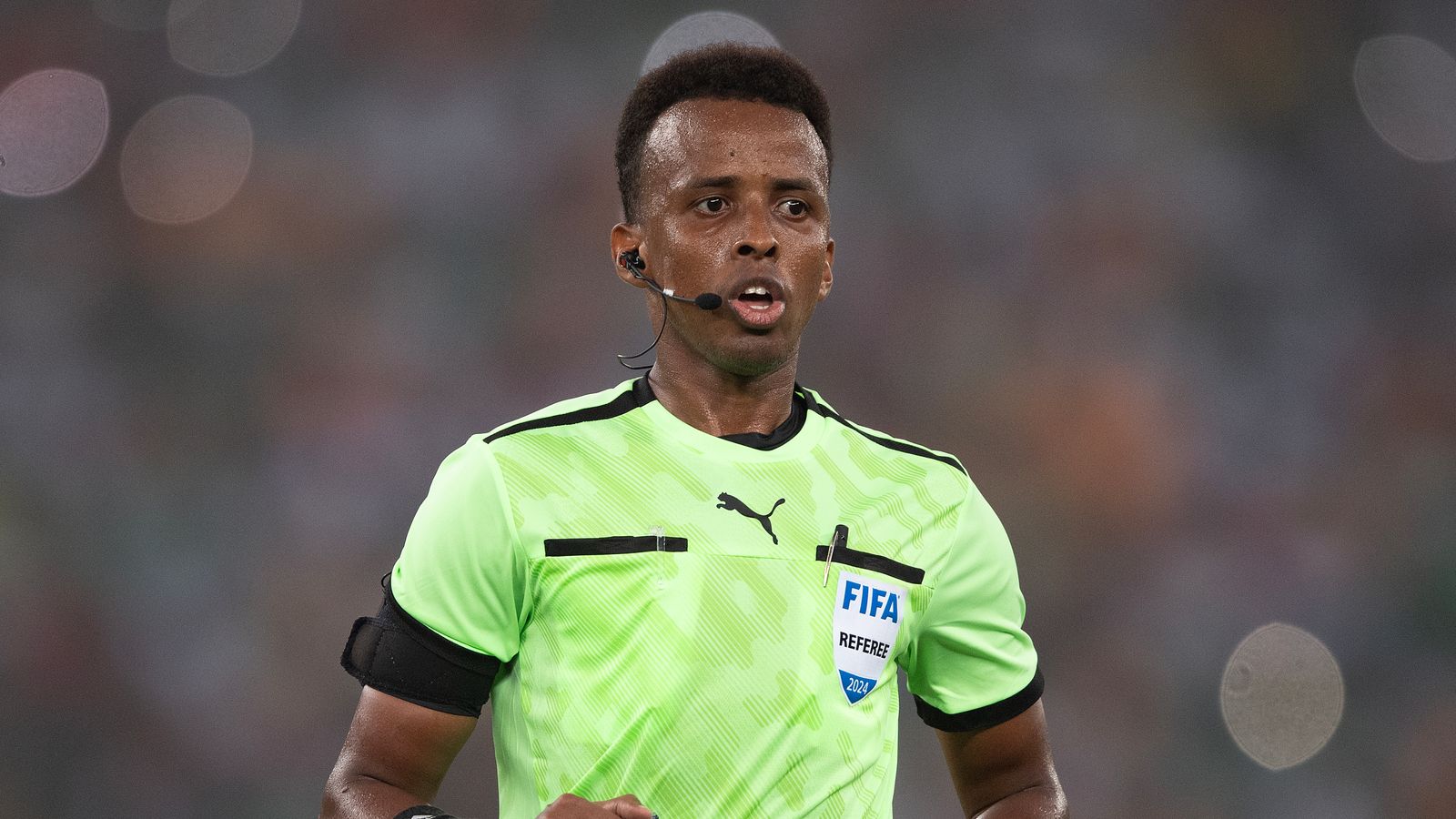
The 2026 World Cup is supposed to be the showcase event for global cooperation. Instead, we are two days out from kickoff, and the tournament is suffering from an unforced error that has nothing to do with the pitch. Omar Artan, a Somali referee slated to officiate during the tournament, was barred from entering the United States after an 11-hour immigration interview.
Artan holds the necessary paperwork, including the required visa. Immigration officials still deemed him inadmissible. As the BBC reported, the official was left stranded despite having the specific credentials FIFA requires. This is not just a minor bureaucratic hiccup; it is a signal of the logistical friction waiting for thousands of staff, journalists, and fans.
The refereeing standard faces a staffing crisis
Referees are the most scrutinized figures in any tournament. Losing a qualified official to visa complications less than 48 hours before the opener is inexcusable. If FIFA cannot ensure the travel of its own Match Officials, confidence in the administration of this tournament drops significantly.
We expect professional officiating that adheres to strict match standards. When you remove a referee based on arbitrary border hurdles, you disrupt the pool of decision-makers meant to ensure consistency. It creates a vacuum where replacement officials might be rushed into high-stakes matches. This oversight reeks of a lack of preparation by the organizing committee in conjunction with federal authorities.
What this means for the opening matches
Fans want to talk about tactics and starting lineups, but the shadow of administrative incompetence has already crept onto the field. While the players finalize their warmups against the grass, the officials are grappling with travel logs. This is a negative mark on the tournament before the first whistle blows.
Hosting a tournament across three nations—the US, Canada, and Mexico—carries immense diplomatic overhead. If this is how the US handles accredited FIFA personnel, the experience for international supporters promises to be equally chaotic. My prediction for the tournament opener is unfortunately not about the football, but about the spectacle of red tape.
I predict that we will see at least three more high-profile entry disputes involving team staff or match officials before the group stages conclude. The logistical burden is simply too high for present border procedures, and FIFA has failed to guarantee the safety net they promised their employees.