
England's defensive fragility will haunt them long before the semi-finals
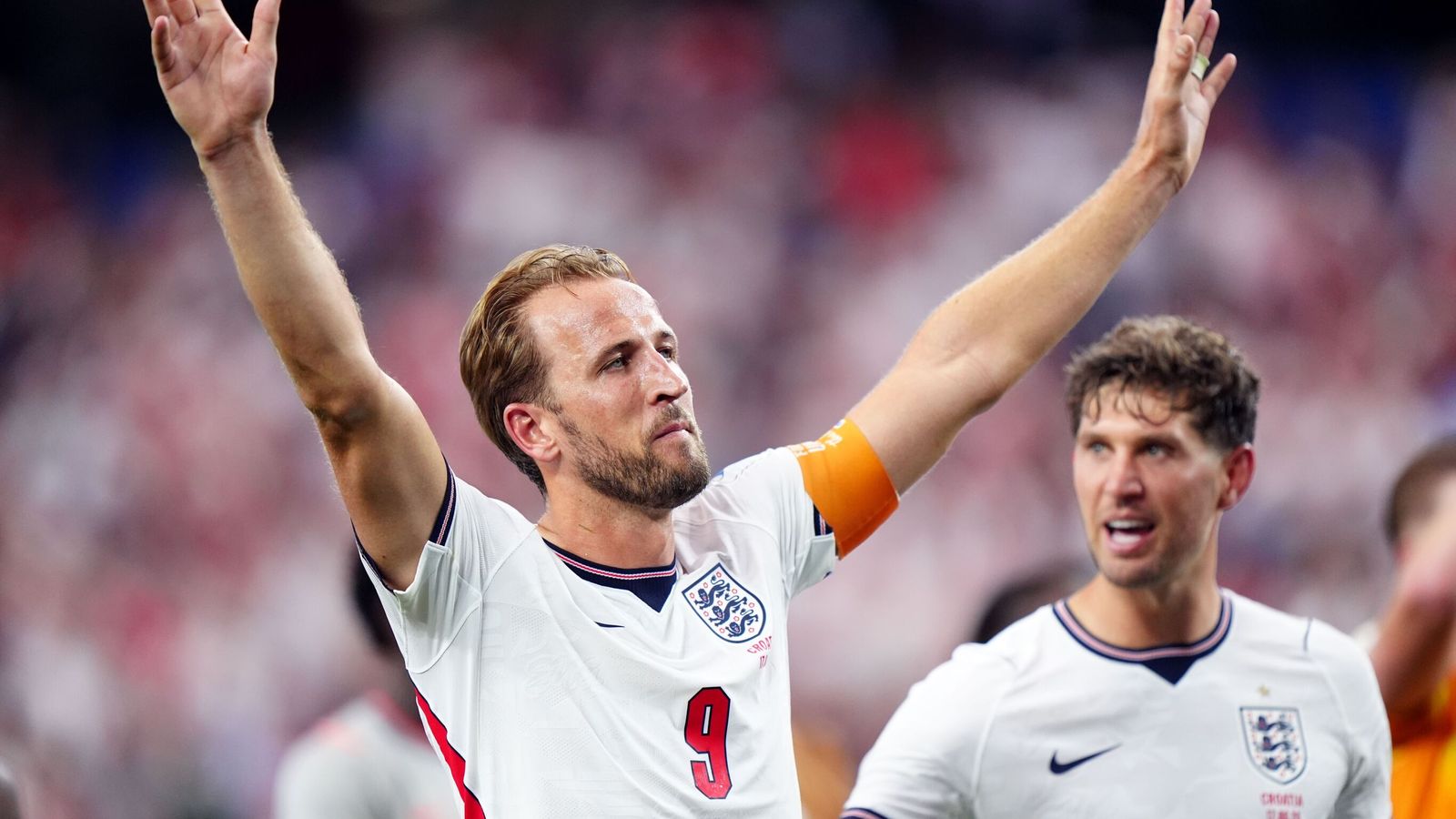
The illusion of controlled aggression
England secured a 4-2 victory over Croatia, yet the scoreline masks a deeply troubling defensive reality. Gareth Southgate—or the structure currently employed by the staff—seems trapped between conflicting philosophies. They look for high-intensity recovery, but the gaps between the holding midfielders and the backline remain wide enough to drive a team bus through.
As Sky Sports reported, while Harry Kane and Noni Madueke provided the necessary offensive spark, the transition phase looked amateurish under pressure. Croatia dismantled the shape repeatedly by exploiting the lack of cover in the half-spaces.
The Dallas defensive lapse
The equalizer at Dallas Stadium exposed a lack of spatial awareness. When the ball broke, England's midfielders failed to drop into deep defensive pockets. Martin Baturina found himself unmarked on the edge of the box, afforded a pocket of space that no top-tier international side should leave vacant.
This is not a matter of personnel quality, but of collective movement. The center-backs are being pulled wide to cover for attacking fullbacks, leaving the central zone vulnerable. When the opponent rotates the striker out of the defensive block, those gaps at the edge of the area become primary transit lanes.
Tactical dissonance remains a hurdle
Watching the recent friendly between Ghana and Panama highlights what happens when defensive discipline vanishes under pressure. Much like Ghana, England seems to struggle with recovery pace in their interior channels. If Thomas Tuchel intends to make changes, the primary objective must be fixing the vertical axis of the team.
The current setup relies too heavily on individuals bailing out the structure. In the 4-2 win, there were moments of brilliance in possession, but a disciplined counter-attacking team—not an aging Croatia side—would have punished these defensive lapses with a higher probability of success. The xG conceded was far higher than a tournament-contending side should permit.
A question of coaching mandates
We see the same patterns recurring every time the press is broken. The recovery runs are sluggish, often trailing the play rather than cutting off the passing lane. This lack of urgency in transition creates a numerical disadvantage that leaves the goalkeeper exposed.
Unless the defensive line drops five yards deeper or the defensive midfielders commit to a more rigid pivot, the opposition will continue to find high-value opportunities. The talent in the final third is world-class, but championships are rarely won solely on offensive output. They are won by closing off the half-spaces that England allowed Croatia to occupy with such ease.
If the plan is to rely on individual moments from Madueke or Kane to outscore defensive errors, the ceiling for this team is historically low. Tactical refinement, not just raw speed on the wings, is what will determine if England actually contends for silverware this summer.
Read Next
- England's defensive shape is still a total disaster
- England vs Croatia: Why the midfield battle is turning into a total car crash
- England’s defense is still a total circus despite that Croatia win
- England's four-goal blitz proves they are finally playing for keeps
- 🏴 England World Cup 2026 — Three Lions Hub
- ⚡ UCL Semi-Finals 2026 — Full Coverage Hub
Fire TV Stick 4K with Alexa Voice Remote
Your go-to hub for streaming every Premier League match.
Frequently Asked Questions
What caused England's defensive issues against Croatia?
Why was the equalizer at Dallas Stadium concerning for England?
What is the primary tactical flaw in the current England setup?
How can England improve their defensive stability?
Why is relying on offensive talent like Kane and Madueke problematic?
More Coverage
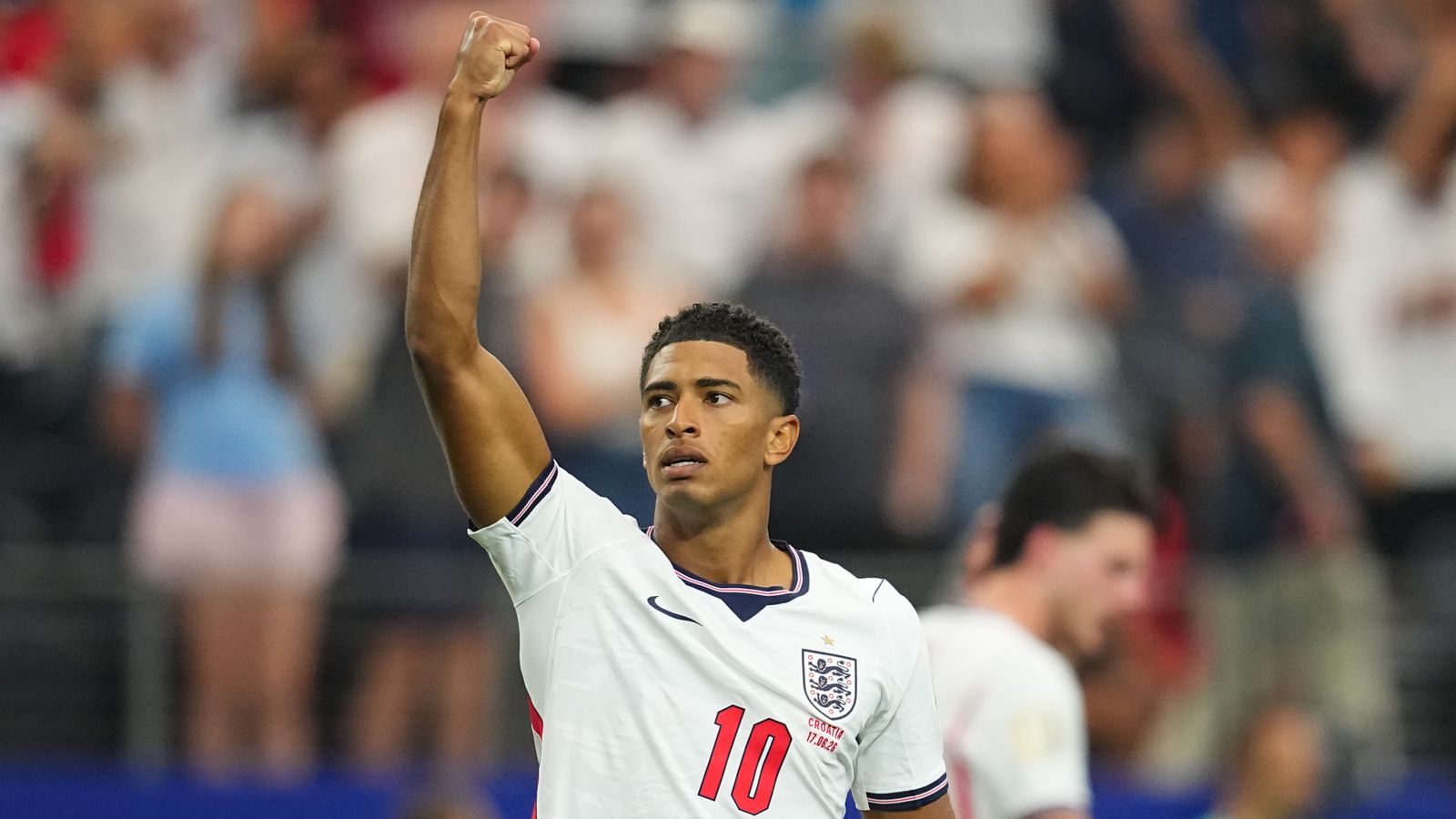
Top 10: Defining World Cup 2026 Moments So Far
an hour ago
Tuchel's England needs more than just hunger from Rashford
an hour ago
Munoz to Liverpool is a move driven by raw efficiency
an hour ago
Jude Bellingham is carrying England on his back right now
an hour ago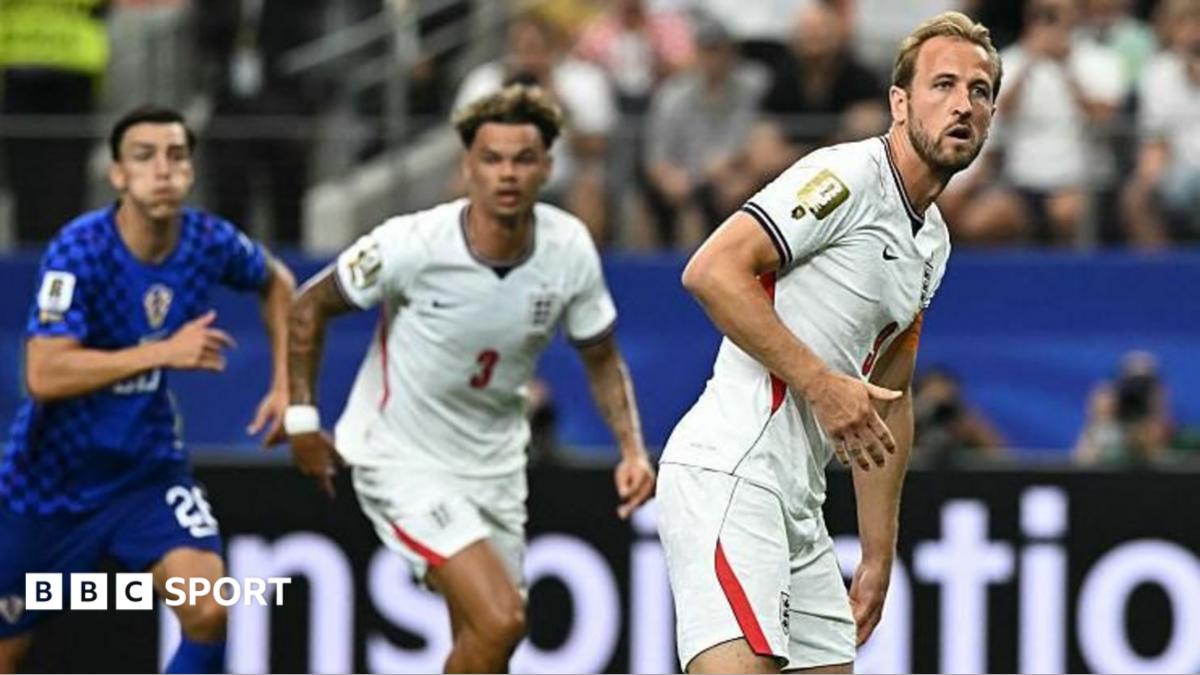
England must fix their midfield disconnect before the knockout stages
an hour ago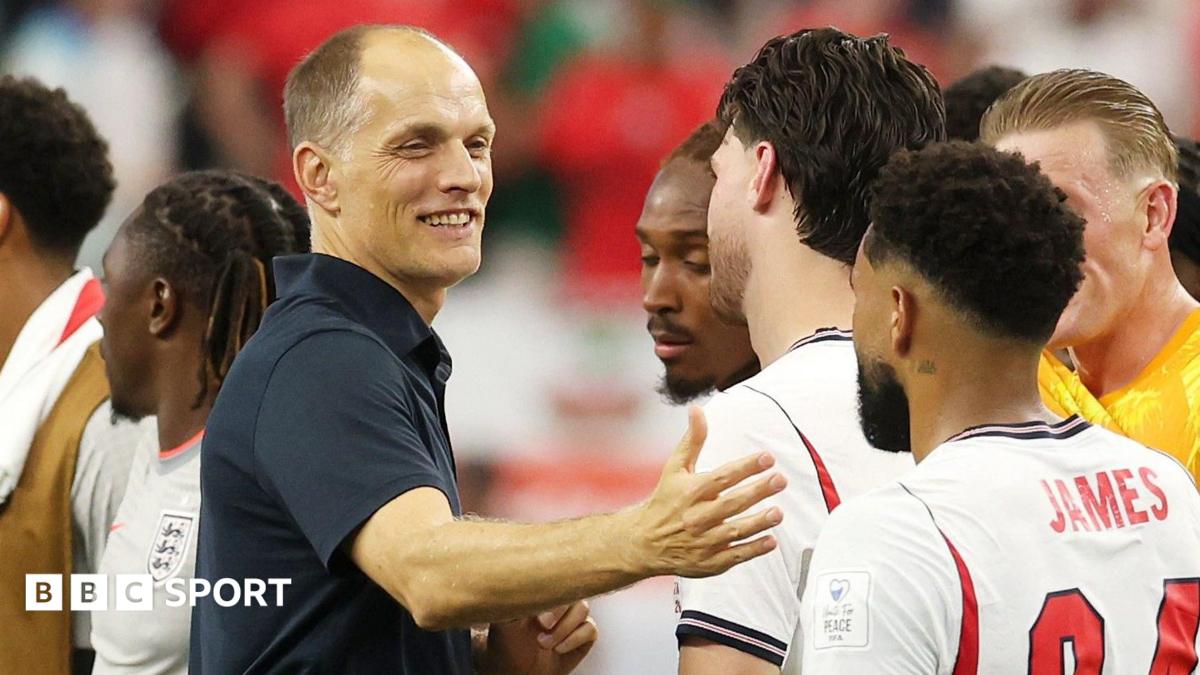
Thomas Tuchel actually has a pulse and England fans should be terrified
an hour agoMore Analysis
England's defensive shape is still a total disaster
2 hours ago
England vs Croatia: Why the midfield battle in Dallas matters
3 hours agoGareth Southgate's tactical rigidity is suffocating the Three Lions
7 hours agoEngland's tactical rigidness faces the ultimate test against Croatia
4 hours agoThomas Tuchel's England gamble is struggling against a technically superior Croatia
4 hours ago