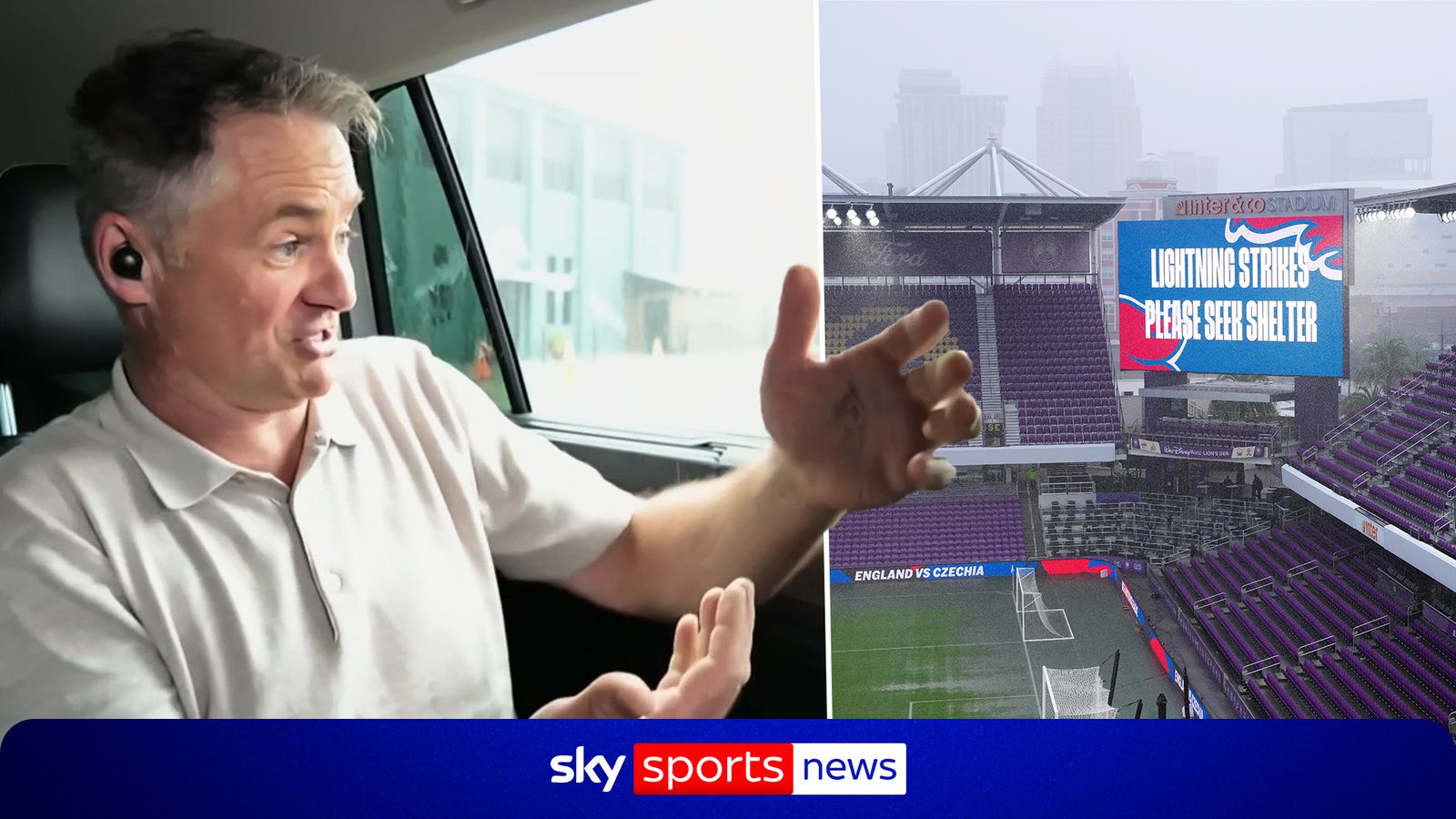
The stifling reality of training in Kansas
England arrived in Kansas City to begin their World Cup campaign, but the climate is proving to be a primary adversary. Temperatures are consistently pushing past 30 degrees Celsius with significant humidity levels. For a squad accustomed to the temperate conditions of the Premier League, this jump is forcing sports scientists to rethink load management immediately.
Reports from Mirror Football confirm that staff are monitoring hydration levels and core temperature spikes every session. Training intensity has been dialed back to prevent non-contact soft tissue injuries. A heavy workload in this environment historically leads to fatigue-related pulls and cramping, which Gareth Southgate can ill afford before the group stage opener.
The medical challenge of mid-summer acclimation
History serves as a grim warning for tournament squads ignoring the heat index. England teams of the past often faltered when energy levels dipped in the final twenty minutes of matches. Managing sweat rates during high-intensity tactical drills is now the priority for the medical staff. Drills are being condensed to shorter durations to keep core body temps from entering the danger zone.
The strategic implication is clear: Southgate must balance physical conditioning with the lack of training time. If players do not adapt to the humidity by their second match, they will be playing catch-up while chasing opponents. The risk here is over-training in the first seventy-two hours. Muscles that are not properly hydrated are prone to strains, shifting the focus from sharpness to sheer survival.
Tactical risks in the sweltering conditions
Critics point to the potential for a slow start if the team prioritizes rest over intensity. In tournaments like this, tactical cohesion usually breaks down when focus shifts to physical discomfort. If the players are preoccupied with the heat, the high press system becomes a liability instead of an asset. Monitoring cardiac drift in these conditions is essential; if that drifts too high, players lose their ability to make split-second decisions in the final third.
We have seen this movie before when teams underestimate regional climate variations. England needs to get their substitution patterns perfected early to avoid fatigue-induced gaffes. The medical team is using real-time biometric tracking to ensure no one crosses the threshold into heat exhaustion. Expect shorter, sharper sessions rather than long tactical slogs. Staying upright is the primary goal for the next five days.
Read Next
- Top 10: Elliot Anderson’s Rise to Global Stardom
- England vs Croatia: The tactical headache Gareth Southgate must solve
- Barcelona want Anthony Gordon as summer recruitment heats up
- Bellingham is starting, England fans are already losing their minds
- 🏆 World Cup 2026 — Full Coverage Hub
- 🏴 England World Cup 2026 — Three Lions Hub