
England’s lack of contingency for a Kane injury
England secured a 1-0 win against New Zealand on June 5, but the result hides profound tactical vulnerabilities. The conversation shifted almost immediately from the performance to the health of the captain. Harry Kane labored through the match, sparking renewed debate about his physical durability with the World Cup kickoff just 5 days away.
Reports from The Guardian highlight the sentiment that England may as well pack their bags if their talisman cannot sustain high-intensity play. This is a recurring narrative for the striker, mirroring his struggles during Euro 2024. The reliance on his output remains total, despite the emergence of younger midfield options like O'Reilly.
Tactical reliance and potential failure
The dependence on Kane creates a rigid structure that collapses without his presence. During the match against the All Whites, the lack of a secondary focal point was stark. If the medical staff determines his recent physical labor is a precursor to a long-term setback, Gareth Southgate faces a crisis of identity.
Historical context shows that England often enters tournaments banking on a singular hero. When that hero fluctuates, the squad struggles to pivot. During previous cycles, the absence of a reliable backup striker proved disastrously expensive in knock-out phases. The failure to integrate a secondary, distinct profile at center forward is a strategic gamble that could backfire before the second group stage match.
The squad's thin margin for error
Training sessions for the next 96 hours are now critical. Any sign that Kane is restricted to non-contact work or light conditioning will trigger a firestorm. The drop-off in output from the starting eleven to the potential bench replacements is sharp, suggesting the depth chart is currently paper-thin.
Critics point to the lackluster movement in the final third as evidence that the system relies too heavily on Kane's specific tactical intelligence. Without him, the link-up play between the midfield and the wings becomes predictable. This isn't a minor tactical tweak; it is a structural fragility that opponents will plan for immediately after kickoff on June 11.
Analyzing the risks of pre-tournament workload
Tournament fitness is a game of management, yet Kane was kept on the pitch in a window where preservation is vital. Southgate’s decision to keep his captain out there exposes the team to the risk of a soft-tissue injury. In professional football, the recovery window between high-intensity matches is rarely sufficient when a player is already nursing lingering fatigue.
The defensive pivot, specifically looking at John Stones as a vulnerability, further complicates the situation. If the defense cannot hold a lead cleanly, the pressure on Kane to score multiple goals increases. This leads to extended minutes and increased physical exertion. It is a feedback loop that leads to tournament failure.
The wider impact on England's title chances
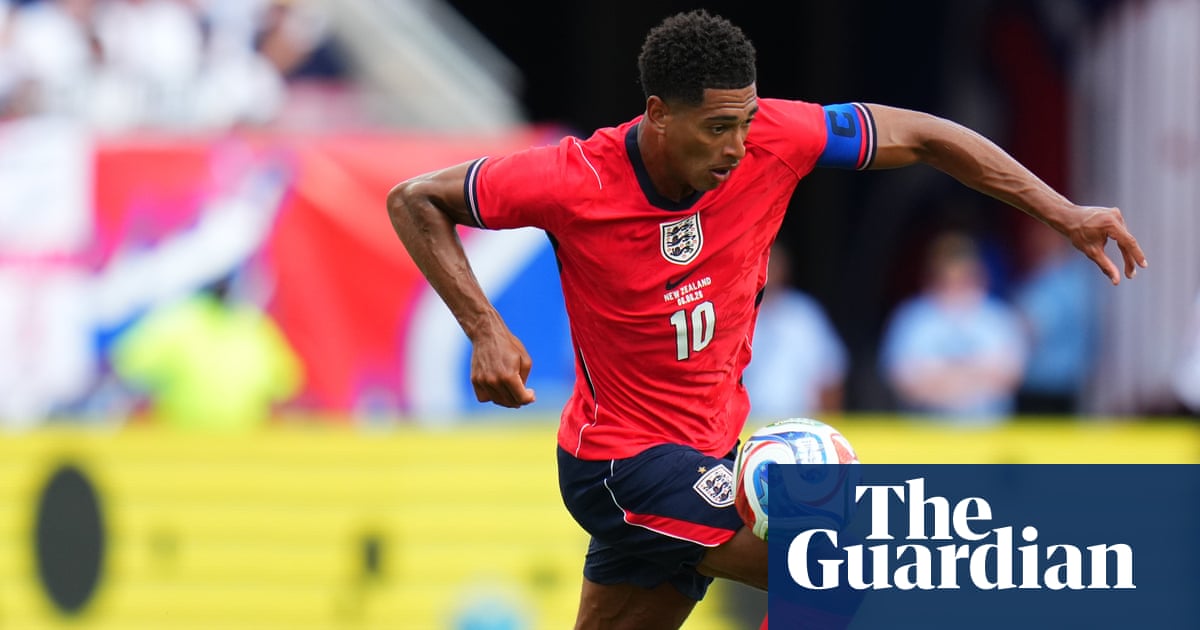
Other contenders look at England’s reliance on one player and see a target. The industry view is that England represents an unfinished product. While Jude Bellingham taking the armband shows leadership growth, leadership cannot carry a team if the frontline is physically depleted. Total reliance on veterans with injury histories from the 2024 cycle suggests a failure in squad replenishment.
The outcome of this week will define the narrative for the opening fixture. If the captain is not 100% fit, questions will shift to why the coaching staff didn't identify this trend earlier. The upcoming days are not about tactical refinement; they are about keeping the team's engine running. Failure to protect the most influential asset is arguably the biggest management error heading into the tournament.
Read Next
- England's World Cup warm-up in Tampa exposed some ugly truths
- England vs New Zealand: The final dress rehearsal before the World Cup
- England’s World Cup prep is looking like a high-speed car crash
- Transfer window chaos threatens to derail England's World Cup bid
- 🏆 World Cup 2026 — Full Coverage Hub
- 🏴 England World Cup 2026 — Three Lions Hub


