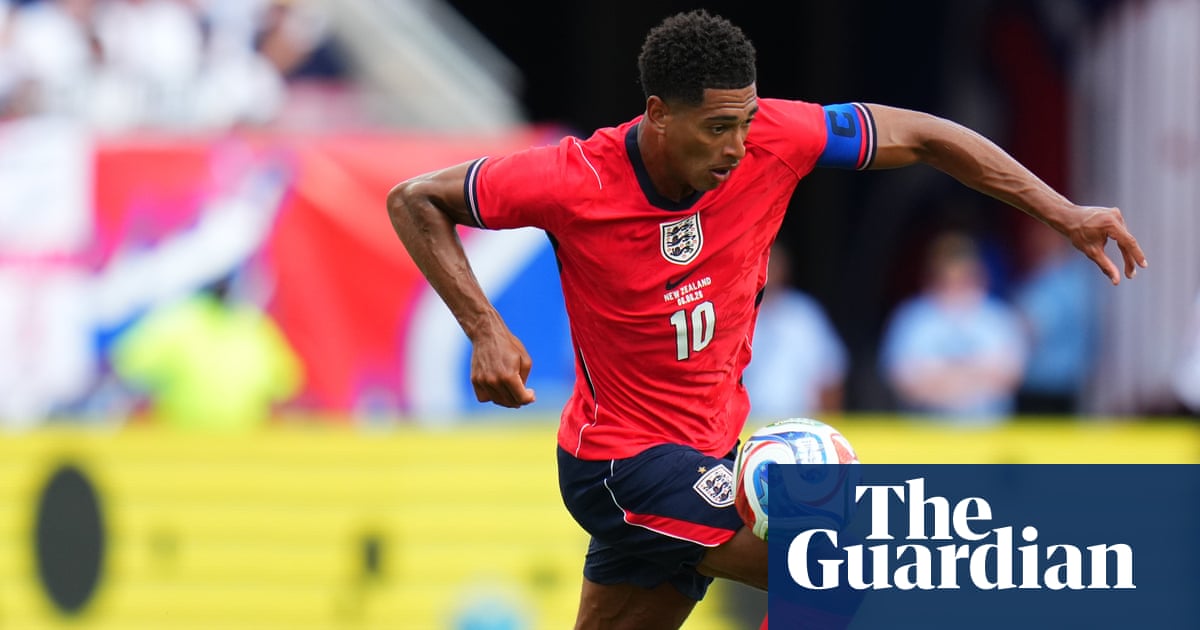
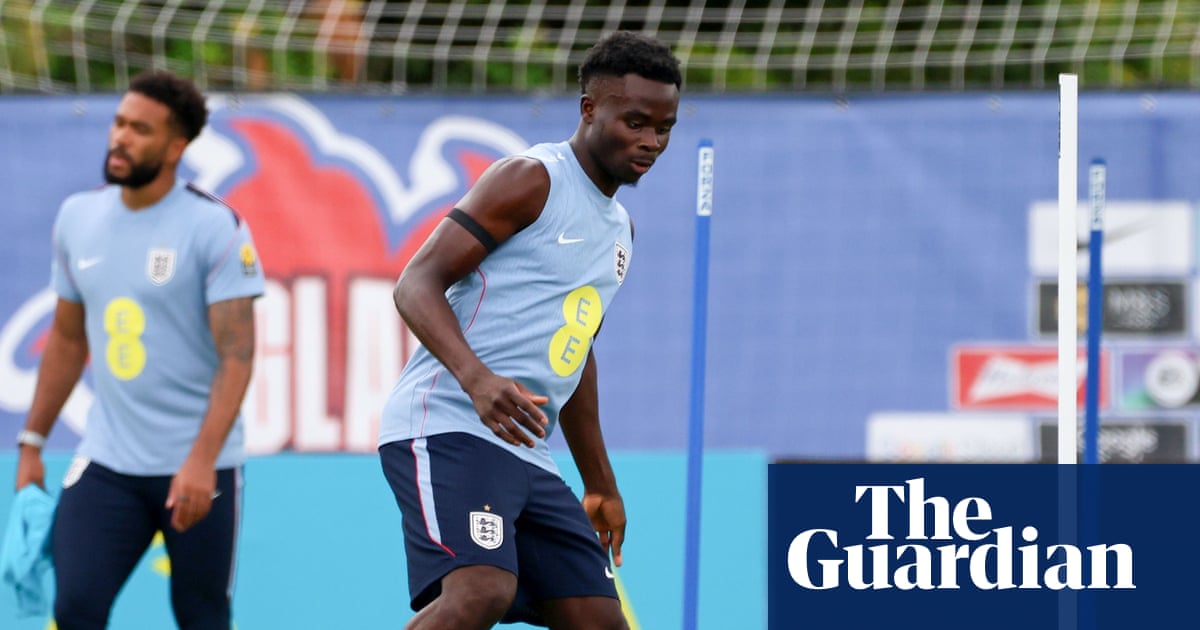
England’s narrow path to the World Cup
The countdown to the 2026 World Cup has reached a critical stage for the England squad. With the opening match arriving on June 11, Gareth Southgate faces the brutal task of managing player minutes while maintaining sharpness. Every internal scrimmage carries the risk of a season-ending setback.
As reported by The Mirror, the squad is finalizing preparations to end a 60-year trophy drought. This timeframe leaves zero margin for error regarding minor knocks sustained during camp. Recovering from an acute muscle strain in five days is rarely a success story for elite athletes.
The physical toll of condensed calendars
Modern international football is a war of attrition. Players arrive at camp having already navigated congested domestic schedules, leaving performance staff to balance heavy loads against the risk of injury. Recent trends among frontline strikers suggest that explosive movements during high-intensity training are leading to hamstring complaints at a higher rate than in previous decades.
History provides a grim reference point for these pre-tournament windows. In 2002, David Beckham’s metatarsal injury became a national obsession, proving that a single misplaced challenge changes the outlook for an entire nation. Coaches are currently operating with extreme caution, prioritizing functional movement over tactical intensity to ensure no one misses the bus on Wednesday.
Risk assessment for the opening group stage
The tactical setup for the opening game is clearly dependent on the health of the primary creative midfielders. If a key pivot is ruled out through a minor strain, the entire formation shifts. Replacement players seldom possess the same tactical rhythm, creating a disadvantage that opponents will exploit from the first whistle.
Strategic oversight suggests that teams holding players back often suffer from low rhythm in game one. However, pushing a player through a niggle usually results in a re-aggravation that sidelines them for the knockout rounds. Management is forced to bet on current fitness levels while ignoring the potential for flare-ups during the group stage.
The human cost of the tournament grind
Staff members are closely monitoring the biometric data of central defenders. These players endure the highest physical contact volume during defensive drills. A simple calf tightness, if ignored for one training session, easily transforms into a Grade 1 tear requiring two weeks of recovery.
The competition's format adds further weight to these decisions. With a 60-year wait hanging over the team, the pressure to perform is intense. When physical limitations are masked to stay in contention, the consequence is often a mid-tournament collapse. It is a cynical reality of elite sports, but one that determines the eventual winner.
Strategic implications for the coaching staff
Southgate must decide if a partially fit starter is more valuable than a 100% fit substitute. This calculation rarely yields a perfect result. Historical results from the 2014 and 2018 tournaments show that clubs prefer aggressive intervention, while national teams often gamble on rest and rehabilitation.
The margin between a successful campaign and a quiet flight home is often found in the medical tent. If training intensity remains high, the list of unavailable players will likely grow before the opening match begins. The current focus remains on ensuring that no avoidable soft-tissue injuries disrupt the core rotation before the kickoff on June 11.
Read Next
- England chose Kansas City for the World Cup and it is a massive gamble
- West Ham transition as the World Cup countdown hits zero
- Thomas Tuchel's iron grip on England is a transfer window ticking time bomb
- England's tactical collapse against Spain reveals deeper systemic failures
- 🏆 World Cup 2026 — Full Coverage Hub
- 🏴 England World Cup 2026 — Three Lions Hub