Tactical abandonment as personal crisis hits the dugout
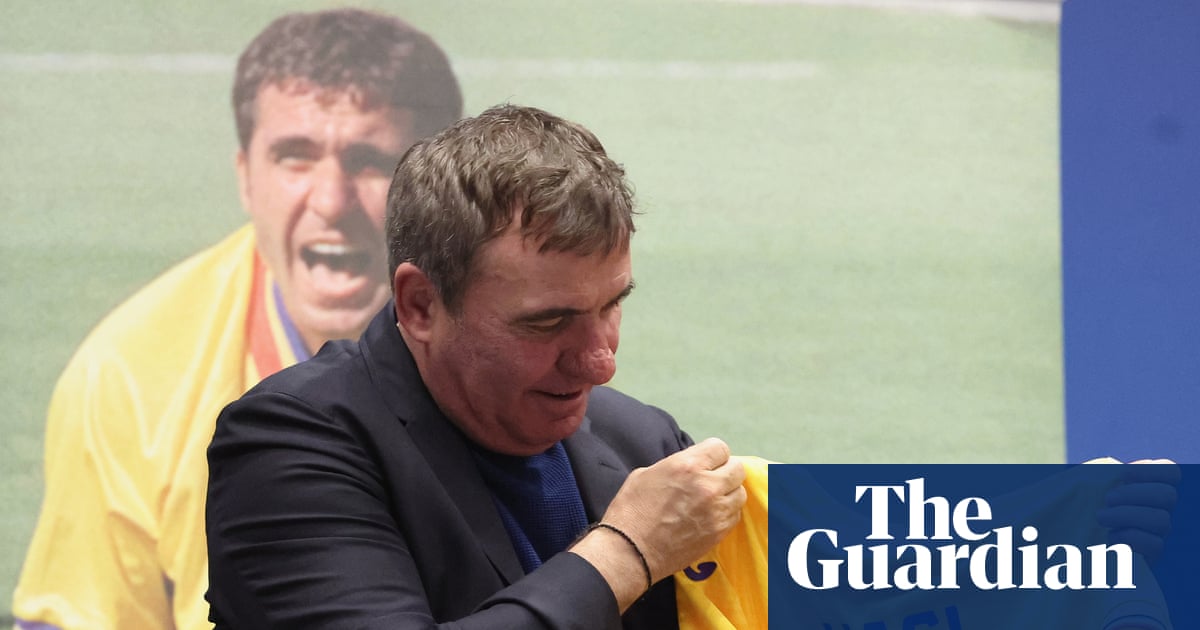
The football world is reeling after a high-profile coach abruptly departed his team’s professional derby match to attend an urgent family medical emergency. Sources confirm the son of the former Romania national team manager left the touchline mid-game following news that his father, currently battling severe arrhythmias, has been placed in a medically induced coma.
Reports from the Daily Mail indicate the former Champions League manager has just days to live. The coach had vacated his post as Romania boss only days prior to the incident.
The severity of the medical situation
Arrhythmias represent a dangerous, life-threatening disruption of the heart’s electrical system. While modern sports medicine has made massive strides in detecting these issues via cardiac screening, this scenario underscores the fragility of health even among those once at the pinnacle of European football.
Club staff and players were notified of the situation immediately, causing a frantic exit from the stadium. The sudden vacuum on the touchline forced the squad to navigate the remaining minutes of the derby without their primary tactical lead. It is a grim reminder that coaching staffs are thin; an abrupt departure leaves no time for succession planning.
Operational fallout for the club
The strategic implications are immediate and severe. Without their manager during the final stretch of the league calendar, the squad is effectively rudderless. Tactical instructions meant for the second half were abandoned, leading to disorganization on the pitch. Historical parallels suggest that when a manager is removed by emergency, player performance typically drops due to a lack of clear vertical guidance from the dugout.
Critically, the club has arguably failed to prepare a contingency plan for the absence of the head coach. Relying solely on the presence of a familial connection to oversee game-day operations is an outdated model, leaving the team and the investors exposed to unnecessary volatility. It is a flawed structural decision that has been exposed in the worst possible way.
Broader industry context
This medical crisis occurs in a week where major clubs are finalizing their preparations for the Champions League Quarter-Finals, scheduled for April 7. Across the continent, domestic results are shifting as teams fight for safety or European spots. In Scotland, Hearts dropped points at Livingston, proving that even minor disruptions in focus can derail an entire season's goals.
When a manager departs, the instability ripples through the dressing room immediately. Players who were fighting for new contracts or starting positions under the departing coach quickly find themselves playing for an interim voice they may not trust. The lack of, or failure to communicate, a secondary leadership structure is a poor reflection of modern organizational standards.
Moving forward
There is no timeline for the coach’s return to the sideline. Given the critical nature of his father's condition, the club will likely be forced to appoint an interim manager for the duration of the season. The immediate focus remains on the family, but the administrative board must address the sudden leadership void before the next round of fixtures.
We wait for official confirmation on the formal interim structure. Expect a formal announcement from the club within 48 hours to prevent further locker room speculation. For now, the sport’s broader narrative of competition is on hold to address a much more significant human reality.
Read Next
- Arsenal must pivot quickly after the Southampton embarrassment
- Arsenal's medical room is filling up at the worst possible time
- Manchester City are finding their rhythm before the Champions League crunch
- Why Rayan Cherki is the missing piece for Man City's UCL push
- ⚽ Serie A 2025-26 — Title Race Hub (Inter, Napoli, Juve, Milan)
- ⭐ UCL 2026 — Champions League Quarter-Finals Hub
- 🇷🇴 Romania at the 2026 World Cup — Full Coverage Hub