The Medical Reality
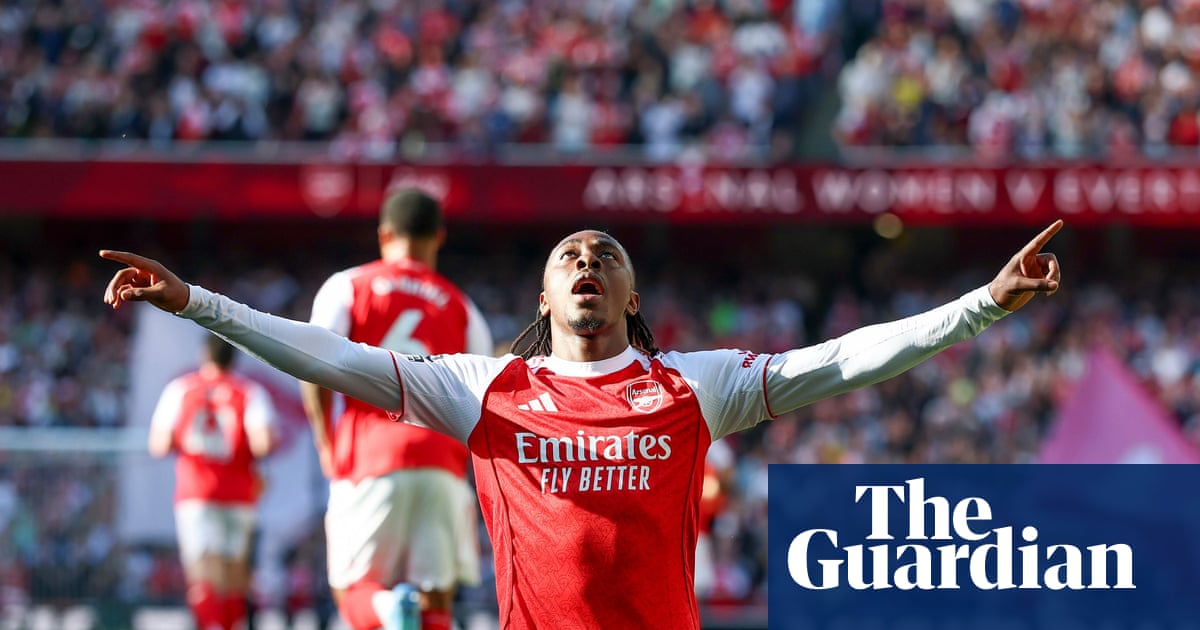
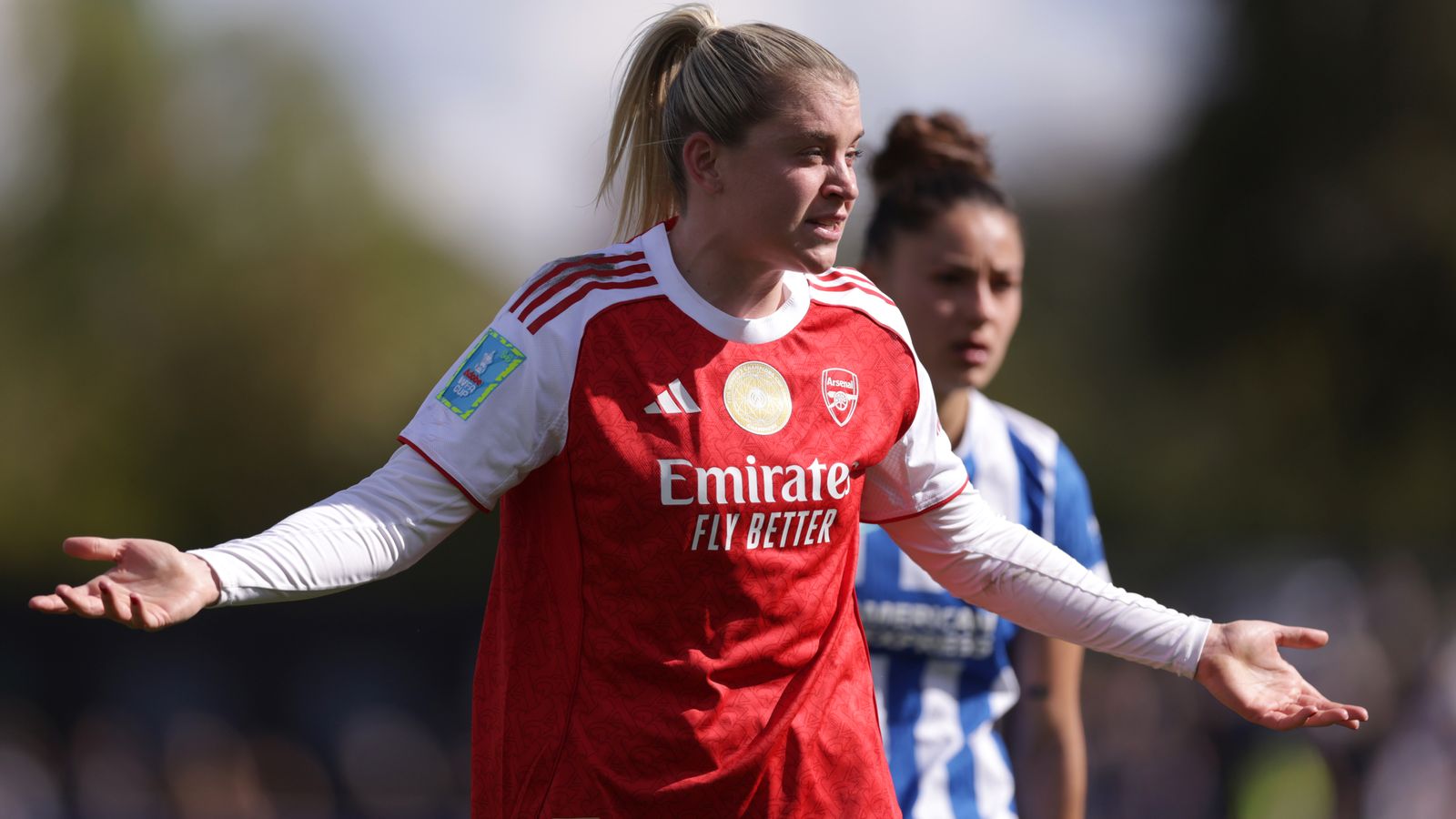
Arsenal Football Club is currently managing a significant injury crisis that threatens to derail their final push for silverware. With the season hitting its most frenetic point, the loss of key personnel has been felt acutely, most recently manifested in the club's shock FA Cup exit at the hands of Brighton.
As Sky Sports reported, the squad's inability to rotate effectively has become a recurring theme. The intensity of 2026 scheduling appears to be catching up with a thin starting XI.
Tactical Disruptions
The absence of core players creates a ripple effect throughout the entire tactical setup. When specific starters are sidelined, the remaining units struggle to maintain the high press that defines the current Arsenal methodology.
This is not merely about individual talent. It is about the chemistry that breaks down when medical staff are forced to rush players back to match fitness for Champions League fixtures. The drop-off in production during the 90 minutes against Brighton suggests that squad depth is not just a concern, but a structural failure.
Historical Context
History provides a warning for clubs that choose to ignore fatigue markers. Several English clubs in previous campaigns have seen their seasons crater between early April and late May due to a refusal to rotate squads during compressed fixture lists.
The medical department now faces a balancing act. They must prioritize the Champions League Quarter-Finals starting on April 7 while keeping one eye on the exhaustion levels of starters who have played over 3,000 minutes this calendar year.
Critical Assessment
The recruitment strategy during the last window deserves scrutiny. Despite clear signs of fatigue as early as February, the club failed to secure high-quality cover for key positions. This oversight has left them vulnerable at the very moment they need their full complement of players.
Fans expecting a deep run into the final weeks of May 2026 must reconcile with the fact that the current medical situation limits tactical flexibility. There is no quick fix for muscle fatigue when the calendar demands a game every three days.
Broad Industry Impact
The wider industry is struggling to solve the fitness conundrum posed by modern fixture density. Brighton’s recent success is a byproduct of exploiting that very vulnerability, shifting the competitive equilibrium when opponents look sluggish.
Competitors are clearly watching. Teams in the Champions League are likely to prioritize high-tempo starts against Arsenal, aiming to exploit the physical gaps that appear in the final 20 minutes of gameplay. The reliance on individual brilliant performances tomask physical decline is a dangerous gamble that carries a low probability of long-term success.
Timeline for Resolution
The immediate objective is the April 7 Champions League fixture. Medical staff are reportedly assessing game-time restrictions for at least three major players who are currently carrying minor knocks.
Failure to manage these recoveries effectively will result in further dropped points in April. The focus remains on short-term stability rather than long-term healing, a standard approach in elite football that carries heavy inherent risks.
Read Next
- Arsenal are about to face their toughest test of the season
- Chelsea's defensive depth faces stress test after early injury setback
- Arsenal deserve the heat they are getting for this FA Cup faceplant
- The FA Cup quarterfinals are a beautiful mess of giants and underdogs
- ⭐ UCL 2026 — Champions League Quarter-Finals Hub