The new seat at the table
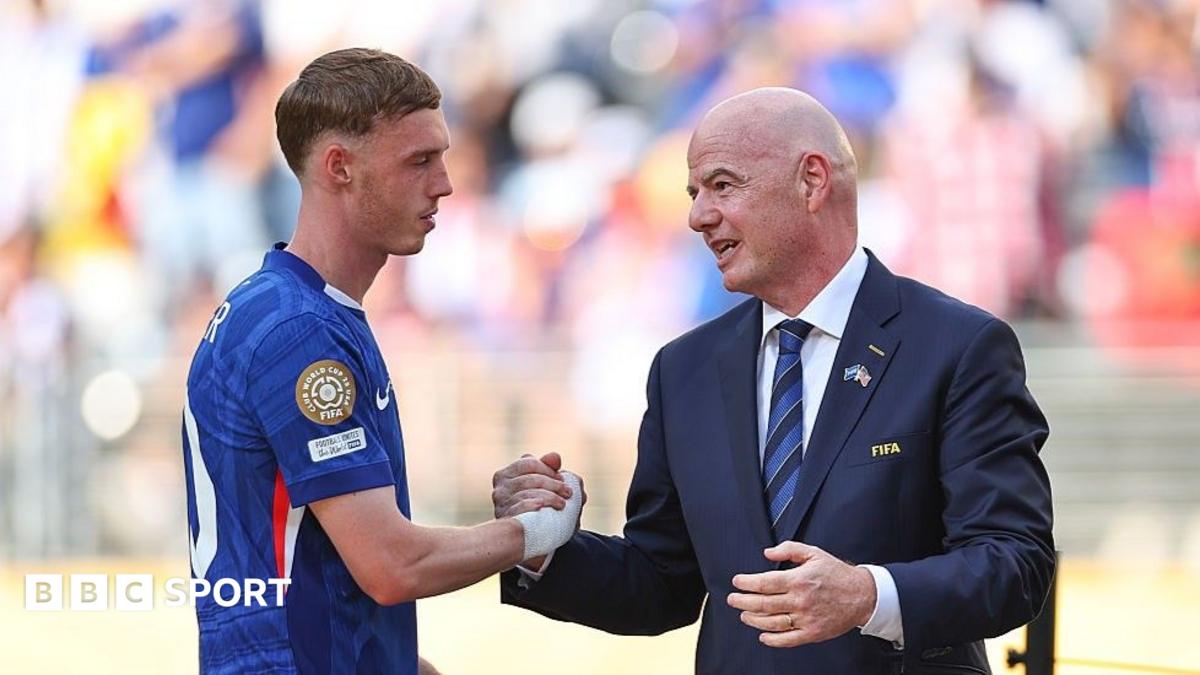
Fifa and Fifpro have reached a landmark agreement that grants professional players direct influence over the global game’s decision-making architecture. As reported by the BBC, this deal marks a shift in how regulations, including those governing international transfers, will be drafted and implemented moving forward.
For years, the power imbalance between governing bodies and the global union was a constant point of tension. This move forces Fifa to acknowledge player concerns at the drafting stage rather than waiting for disputes to reach the Court of Arbitration for Sport. It represents a massive win for collective bargaining leverage.
Tactical implications for the summer window
While this isn't a direct player transfer, the ripple effects on the summer market are immediate. With players now having a seat at the table, discussions regarding squad limits and registration windows will be shaped by the very individuals they impact. This shifts the internal calculations for agents negotiating long-term contract structures this June.
We can expect more transparency in how Fifa processes cross-border transfers. The era of unilateral rule changes feels like it is drawing to a close. If players can influence the technical parameters of the transfer market, expect a push towards more favorable release clause protections in future standard contracts.
The critical friction point
Despite the optimism, this deal contains a major flaw: potential gridlock. By adding another layer of bureaucratic consensus to decision-making, we might see significant slowdowns in rules updates. Efficiency is often sacrificed for representation in professional sports unions.
There is also the question of whether this truly balances out the smaller leagues. Often, unions are dominated by the interests of stars from the top five leagues. If the needs of a squad in the Eredivisie remain secondary to the demands of Premier League icons, this landmark deal will have failed at its core mission of global equity.
Probability assessment
This is a Tier 1 development. The agreement is already finalized and signed by both parties, meaning the probability of this framework being implemented is 100 percent. The negotiation phase has concluded, and we are now moving into the functional phase of how this changes day-to-day operations.
The expected timeline for the first tangible rule shifts is early 2027. We are looking at a long-term recalibration of the market. Transfer windows will not change tomorrow, but the behind-the-scenes lobbying for clubs and agents has just become a significantly more complex process.
Expected impact on the game
Expect fewer surprise rulings from Fifa during the peak of transfer activity. The union now has the standing to freeze or delay controversial implementations that do not respect previously agreed-upon labor standards. This is a massive victory for the players' agency, even if it introduces the threat of stagnation at the management level.
For the average fan, this means more stable transfer rules and potentially fewer legal battles that distract from the actual football. The game's administrative backbone is changing, and for once, the individuals on the pitch have a genuine voice in the process. It is a win for the collective, provided the union can manage the competing interests of its massive global membership.
Ultimately, the power dynamic has shifted from a top-down mandate to a negotiated process. Whether this results in a fairer market or just a slower, more litigious one will depends on the union's ability to maintain a unified front. The 2026 window may proceed as planned, but the structural foundations of football governance look very different than they did yesterday.