The Breaking Point Approaches
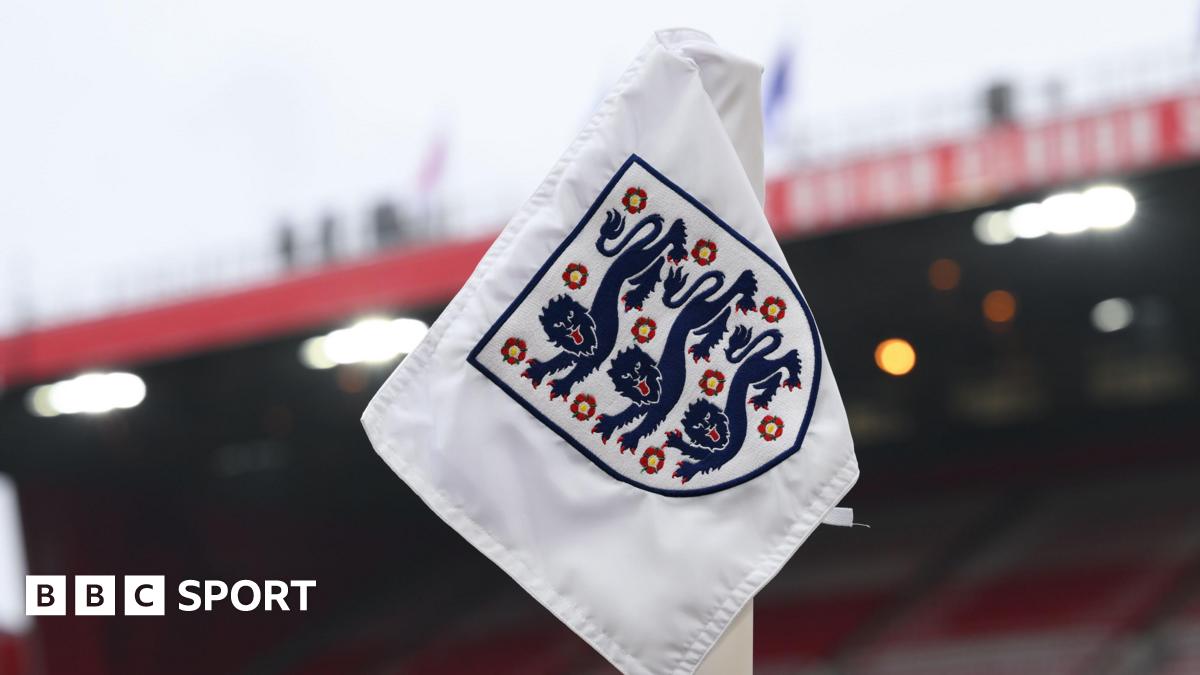
The Football Association has issued a blunt warning this week regarding the current state of professional football. In a statement released Tuesday, the governing body identified fixture congestion as a direct threat to the long-term viability of the sport. They argue that the sheer volume of matches is now impacting player welfare to a degree that could severely damage England’s hopes in future tournaments.
This isn't the usual administrative hand-wringing. The FA is specifically worried that the current calendar devalues historic competitions like the FA Cup. When squads are stretched to the brink, the quality of play drops, and the spectacle suffers. It creates a cycle where the product on the pitch becomes a shadow of what fans pay to see.
The Collision of Health and Revenue
The FA’s warning centers on the constant demand for more games, driven by expanding international formats and lucrative club tournaments. They are prioritizing brain health and physical strain above the push for more matchday revenue, a rare stance in an era where leagues are desperate to maximize broadcast value. The concern is that players are being treated as assets rather than humans, and that the bank of potential performance is being overdrawn.
Fixture congestion and its impact on player welfare could hinder England's hopes in future World Cups and devalue competitions like the FA Cup.
The logic is unavoidable. England’s national team prospects at the upcoming FIFA World Cup 2026 depend on having a squad that isn't running on fumes. If players are nursing chronic fatigue or long-term injuries by June, the tactical edge vanishes. The FA acknowledges that managing this burnout is a high-stakes balancing act that they are currently losing.
The Cyber Threat and Modern Risks
Beyond the physical toll, the FA has shifted its focus toward the reality of cyber threats affecting the sport. Digital security for professional clubs has become a massive point of concern. Attacks on club data, player medical records, and internal communication systems are rising. If a club’s internal data is breached, the competitive advantage—or worse, the private welfare of athletes—becomes public property.
This is a pivot from the standard FA rhetoric. Usually, the focus is on grass-roots funding or refereeing standards. Now, they are discussing firewalls and data encryption. It reveals how rapidly the sport has modernized, moving from stadium security to server security in a single decade.
A Gap in Accountability
The glaring issue in this position is the lack of a concrete solution. The FA identifies the problem—congestion and health risks—but offers no mechanism to force a reduction in matches. They operate within a system that requires constant game volume to satisfy global television contracts. Complaining about the calendar while presiding over a governing structure that facilitates these very tournaments feels like a hollow gesture.
If the FA truly believes the calendar is damaging the quality of football, they must propose a hard cap on matches per season for top-flight players. Without a mandatory ceiling, clubs will continue to burn through their rosters to chase domestic and continental qualification. The schedule is currently a runaway train, and the FA is merely monitoring the speed while neglecting to reach for the emergency brake.
As of April 2, 2026, the calendar is already set for the next two months. With the Champions League quarter-finals kicking off on April 7, the focus remains on the intensity of the upcoming matches. Players like those at Manchester City or Real Madrid are expected to play through intense pressure points without pause. The FA’s warning is technically sound, but practically useless unless they find the political backbone to challenge the power brokers at UEFA and FIFA.
The risk remains that this is simply damage control meant to excuse potential failures at the World Cup this summer. By highlighting these issues now, the FA sets a narrative: if England fails, it is an institutional issue rather than a coaching or talent deficiency. It is a smart piece of political positioning, even if it ignores the reality of their own role in facilitating this era of hyper-commercialized football. Until they force the leagues to sit down at the table and cut the fluff, the cycle will continue unabated.