The shifting landscape of football aesthetics
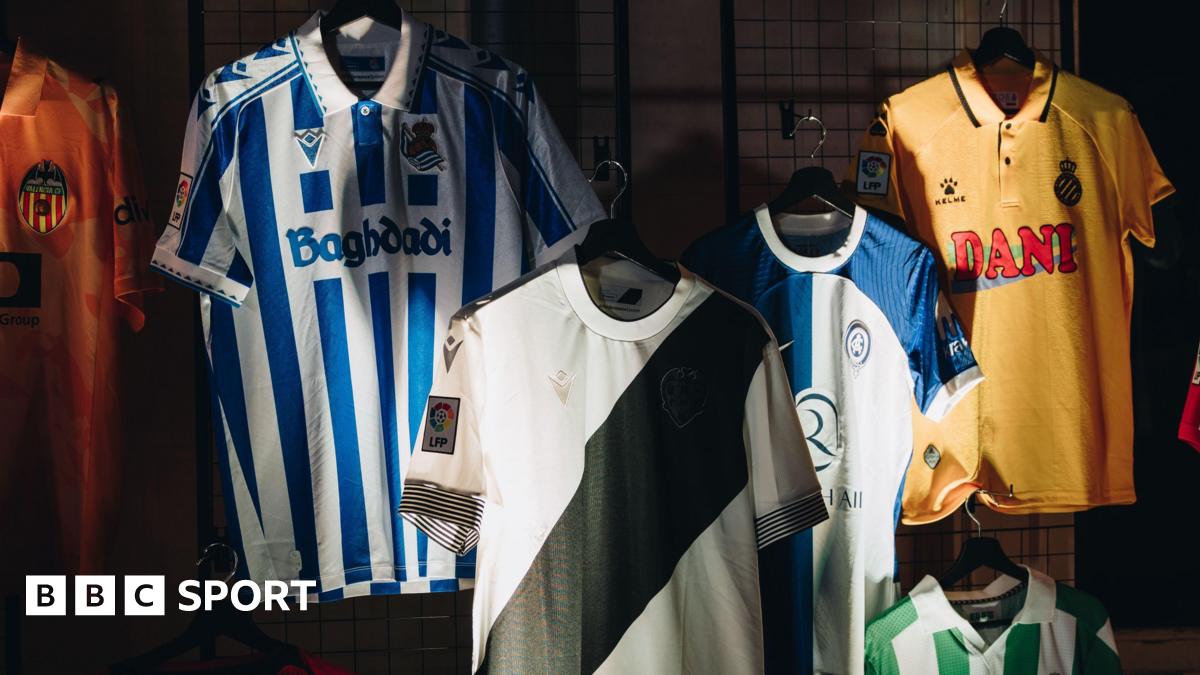
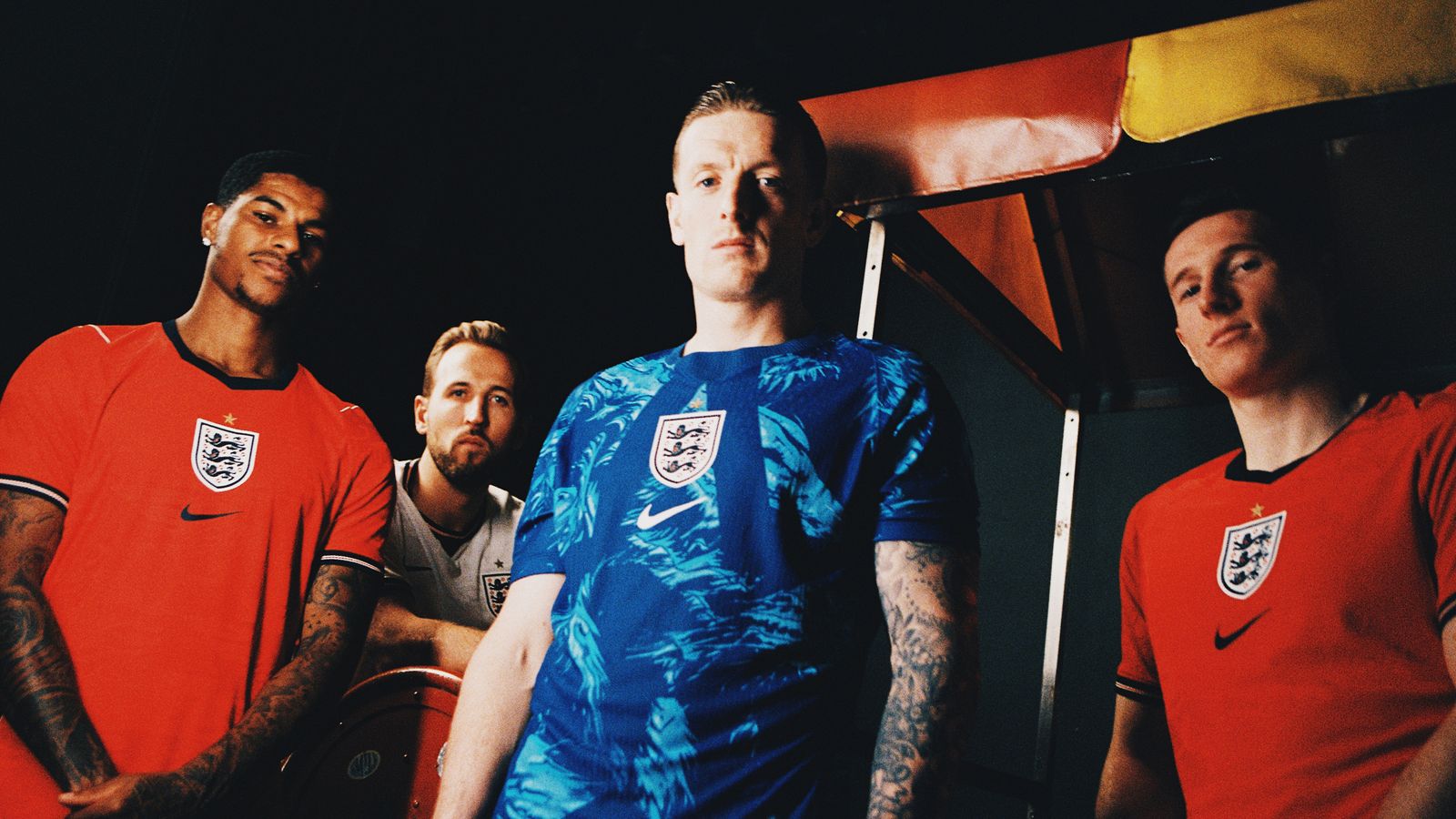
If you have been keeping an eye on the latest kit drops for the 2025/26 season, you might have noticed a recurring theme: the Total 90 revival. From Corinthians to Atletico Madrid and the highly anticipated Barcelona reissue, Nike is betting big on nostalgia. But this isn't just about fashion; it is a signal of how kit manufacturers are positioning themselves to influence the commercial pull of the clubs they outfit.
The tactical fit of commercial branding
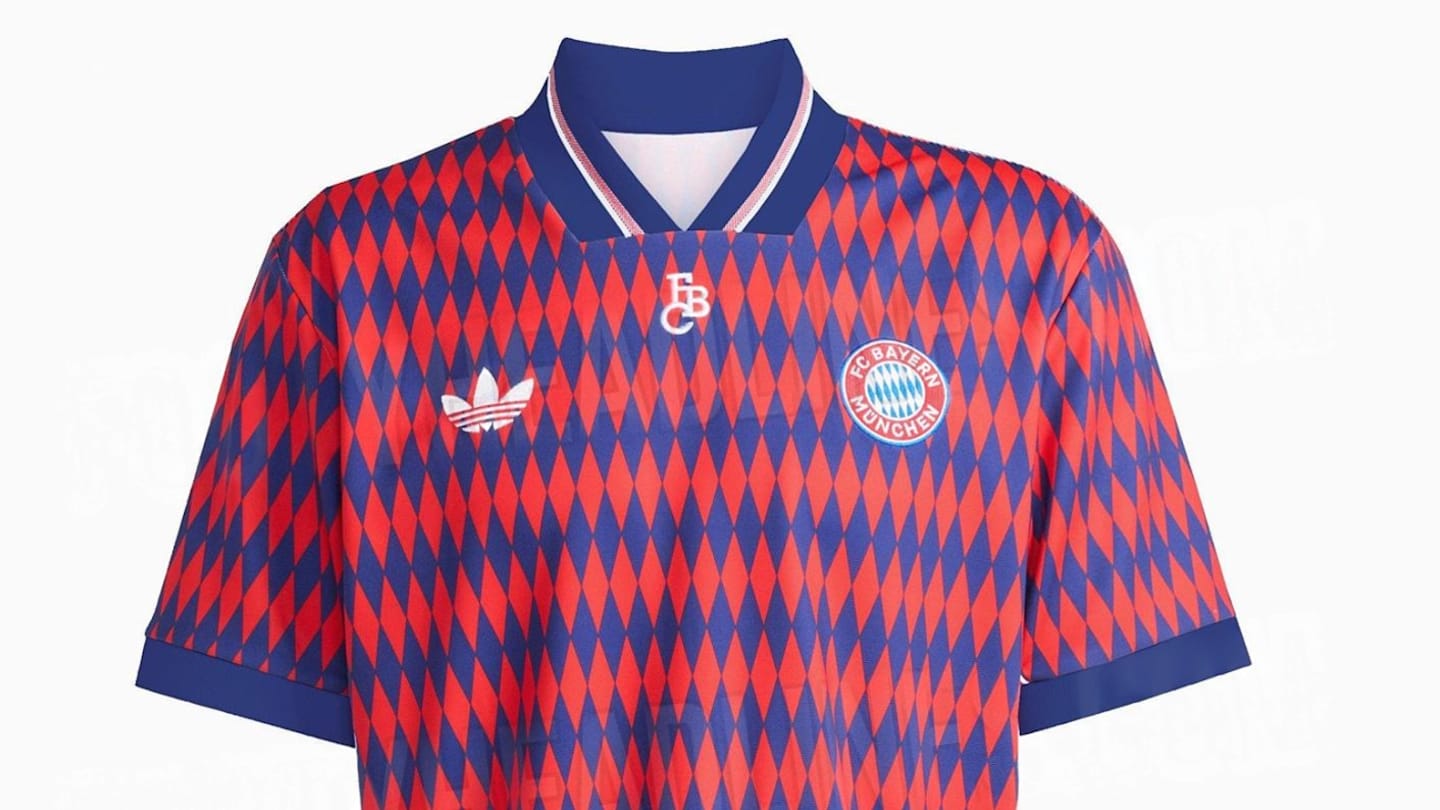
When we look at the recent trend of clubs like Liverpool and Juventus leaning into the adidas Trefoil branding, we are seeing a direct attempt to bridge the gap between terrace culture and high-street fashion. This is a strategic move to capture the younger, lifestyle-focused demographic. Clubs that align with these aesthetic shifts often find themselves in a stronger position to negotiate lucrative image rights deals, which in turn impacts their ability to fund marquee signings.
The kit is no longer just a uniform; it is a primary revenue driver that dictates a club's financial headroom in the transfer market.
The ripple effect on player recruitment
While the kits themselves don't score goals, they represent the financial health of the brand. Take Al Nassr, for example. By centering Cristiano Ronaldo in their latest adidas launch, they are cementing their status as a global commercial powerhouse. This level of visibility is exactly what elite players look for when choosing a destination that offers both competitive wages and massive personal branding opportunities.
Key market observations
- Nike's T90 push: Aimed at capturing the 30-something demographic who grew up watching the 2005/06 era.
- Adidas's Trefoil strategy: A clear play for the streetwear market, seen in the leaked Juventus 2026/27 designs.
- Regional identity: Clubs like Napoli and Juventus are leaning into local culture (coffee and wine) to drive shirt sales, creating a unique selling point that transcends standard team merchandise.
Probability assessment
The likelihood of these kit trends directly influencing transfer strategy is high. As clubs fight for every percentage point of FFP compliance, the ability to sell millions of shirts—aided by viral, nostalgia-driven designs—is becoming a core component of the recruitment process. We expect to see more clubs pushing these "lifestyle" kits to justify the massive wage structures required to bring in top-tier talent.
Expected impact
If these commercial strategies succeed, we will see a widening gap between clubs that can leverage their brand identity and those that cannot. Expect the teams with the most successful kit launches to have significantly more flexibility in the upcoming transfer windows. The Barcelona T90 reissue, in particular, will be a bellwether for how much value a club can extract from its own history to fund its future.