The cost of entry before the opening whistle
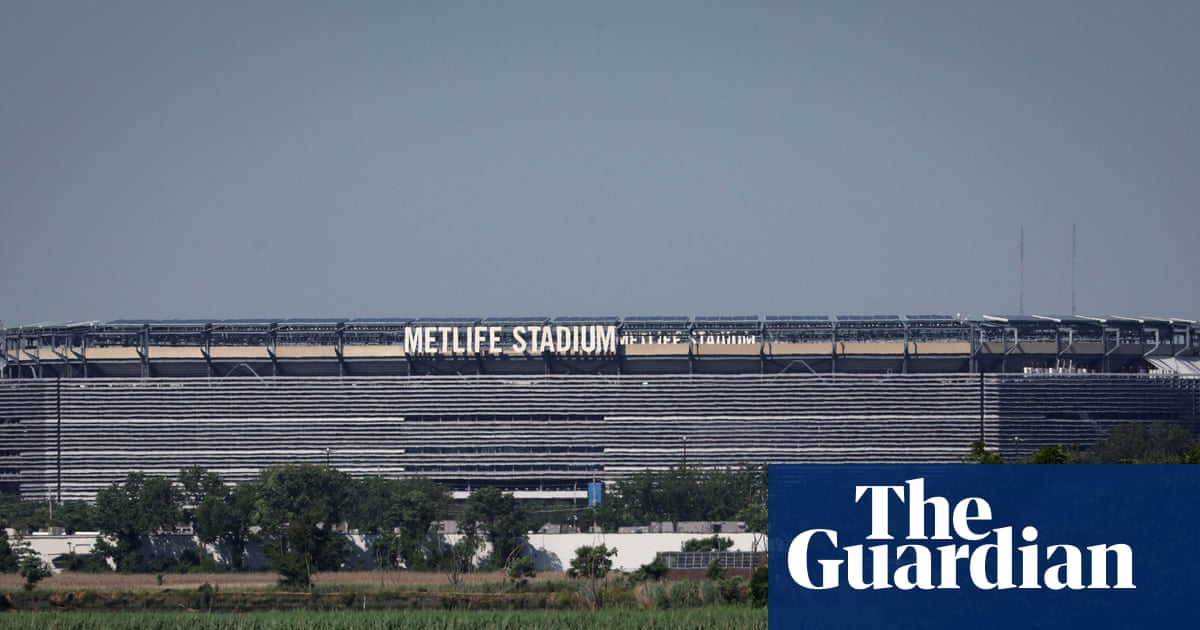
The 2026 World Cup is 56 days away, yet the logistics surrounding the North American host cities are yielding friction rather than excitement. FIFA has issued a pointed statement regarding the transit plan for supporters heading to New York. The decision to impose a $100 fee for rail travel on match days has caught the governing body off guard.
For fans, this is more than a pricing dispute. It represents an early structural failure in the pre-tournament planning. If the commute to the stadium costs as much as a budget match ticket, the atmosphere in the stands will shift. The demographic becomes exclusively wealthy, stripping away the visceral, working-class energy that defines the world's biggest sporting spectacle.
Tactical failures off the pitch
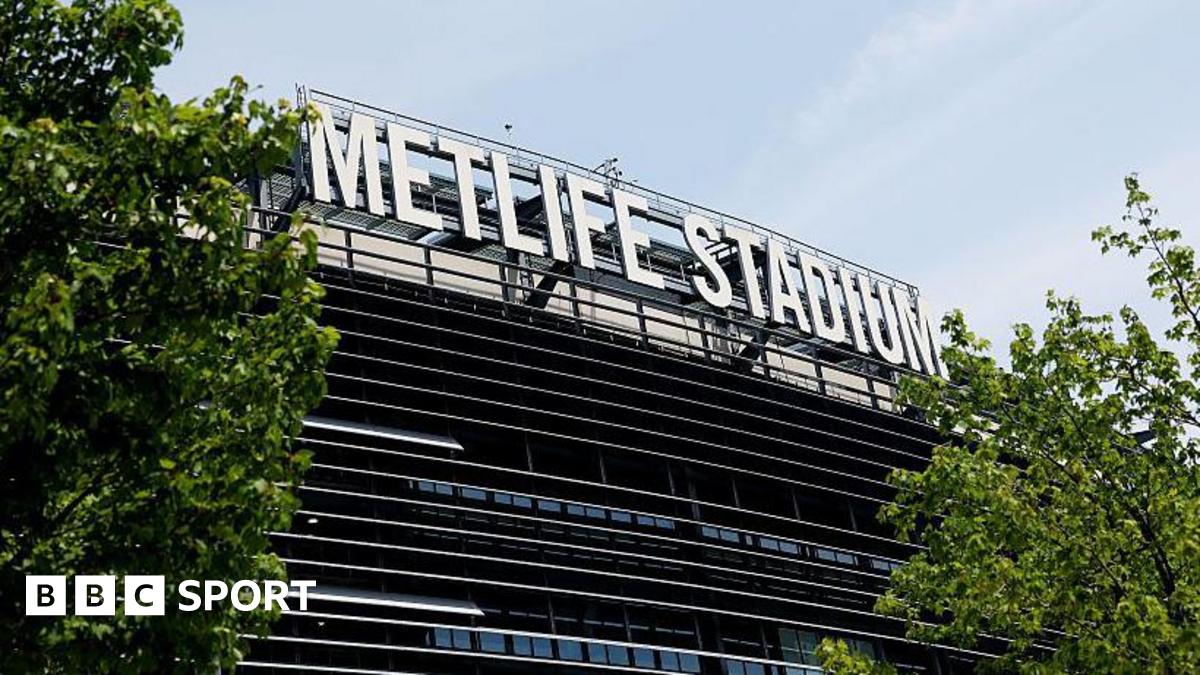
FIFA rarely critiques host city operations publicly unless the situation threatens crowd control or commercial flow. This intervention suggests a genuine fear of empty seats or protests outside hubs like MetLife Stadium. When organizers miss on ingress and egress plans, the fan experience suffers before they even reach the turnstiles.
New York officials argue the fee helps manage the influx of nearly a million visitors. However, the optics remain abysmal. You cannot host a global celebration of the people’s game while erecting economic barricades around the transit lines. Relying on recent reporting on the ticket controversy, it is clear that the lack of coordination could backfire on the tournament's overall image.
The danger of a sterile crowd
Beyond the cost, there is a tactical concern regarding the crowd itself. Tournaments thrive on the noise of traveling ultras and vocal local support. If the stadium transition is priced to exclude, what remains is a corporate, sedentary audience. We see this in the Premier League when grounds move to newer, more expensive stadia; the noise floor drops, and the home advantage dissipates.
I expect this standoff to continue until the final weeks of preparation. FIFA will likely force a revision of the pricing structure to avoid a public relations disaster in June. If they fail to secure a subsidy, don't be surprised to see massive empty blocks during the group stages, particularly for less high-profile matchups.
Prediction: A standoff of convenience
My read on this is straightforward. The transit board effectively miscalculated the public appetite for World Cup price-gouging. They will eventually blink. Expect a watered-down transit pass or a bulk-buy subsidy to emerge by mid-May. It is a win for the fans, but a reminder that the commercialization of this event is currently outpacing the necessary logistical foresight. The tournament begins in earnest on June 11, and we are witnessing the first major booking error of the summer.