The Financial Ghosting of East Rutherford
New Jersey Governor Mikie Sherrill is not playing nice with Zurich anymore. With the 2026 World Cup kickoff just 56 days away, the political honeymoon between the Garden State and FIFA has officially ended. The issue is cold, hard cash, or specifically, the lack of it coming from the tournament organizers.
Sherrill accused FIFA today of failing to provide the necessary funding for transportation infrastructure. This isn't a minor administrative spat; it is a direct hit to the wallets of every fan planning to attend a match at MetLife Stadium. The Governor is pointing the finger at FIFA’s leadership for leaving local taxpayers and international visitors to bridge a massive budget gap.
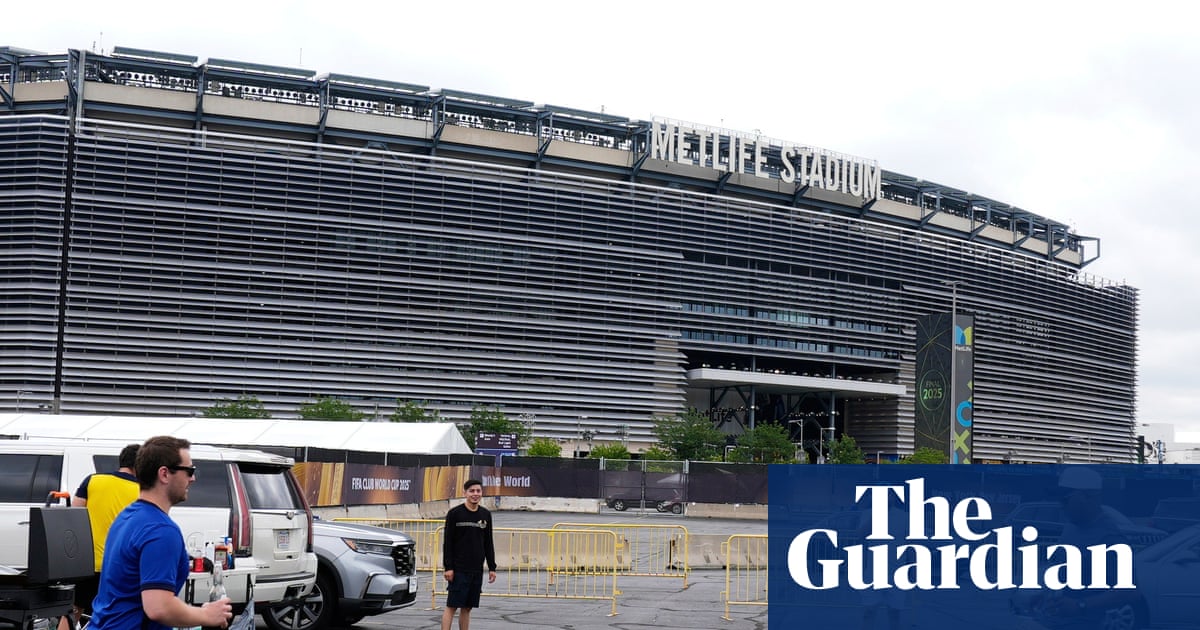
For months, there were whispers that the logistics for the New York/New Jersey host site were behind schedule. Sherrill’s public outburst confirms the worst-case scenario. When the world descends on the Meadowlands this June, the bill for moving them around will fall squarely on the public.
The Hundred-Dollar Train Ride
The headline figure coming out of the Governor's office is staggering. Fans could be forced to pay as much as $100 for train transit to and from the stadium on match days. For a local commuter, that is more than a weekly pass squeezed into a single afternoon. It is a price point that turns a populist sporting event into an elite-only excursion.
"Fifa has failed to provide the funding required for our transit systems, which means fans must foot the bill for high transport costs at the World Cup this summer."
Sherrill is framing this as a betrayal of the original host city agreement. FIFA demands world-class infrastructure, dedicated lanes, and seamless rail links, but they rarely want to pay the invoice for the electricity or the conductors. In New Jersey, where NJ Transit is already operating under a microscope of public scrutiny, this extra burden is a breaking point.
The $100 estimate likely covers the special shuttle services from Secaucus Junction to MetLife Stadium. Usually, this is a short, affordable hop for Giants or Jets games. But the scale of a World Cup, where 82,500 fans will fill the stadium for multiple matches including the final, requires a level of service NJ Transit simply cannot fund on its own.
The Meadowlands Logistics Nightmare
MetLife Stadium is notoriously difficult to access without a car. The rail spur to the stadium is a bottleneck that has failed during Super Bowls and major concerts in the past. To avoid a repeat of the 2014 "Mass Transit Super Bowl" disaster, the state needs to run trains at a frequency the current budget doesn't allow.
FIFA’s refusal to subsidize these costs is a classic power move from the governing body. They arrive in a city, demand tax exemptions for their partners, and leave the local government to handle the 'last mile' of the fan experience. Sherrill is effectively saying that New Jersey is done being the silent partner in this lopsided relationship.
The reality is that NJ Transit’s rolling stock is aging and the workforce is stretched thin. Adding dozens of extra train sets to the Northeast Corridor and the Meadowlands branch requires millions in overtime and maintenance. Without a check from FIFA, that money has to come from somewhere, and Sherrill has decided it will come from the ticket holders.
FIFA’s Tax-Free Demands and Local Reality
The irony of the situation isn't lost on local activists. FIFA is expected to generate billions in revenue from the 2026 tournament through broadcast rights and high-tier sponsorships. Yet, they are haggling over the cost of bus drivers and train engineers in New Jersey. It is a recurring theme in the history of the World Cup.
From South Africa to Brazil, FIFA has been criticized for leaving behind "white elephant" projects or massive public debt. New Jersey thought they were different because the stadium already existed. They didn't count on the operational costs being so astronomical. Sherrill’s decision to go public now is a desperate attempt to shame FIFA into a last-minute settlement.
It is a risky strategy. FIFA is not known for its flexibility once host agreements are signed. If Sherrill doesn't get the money, she is stuck with the political fallout of a disorganized tournament or an angry electorate paying triple-digit fares. Neither option looks good for her administration as the world's cameras pivot toward East Rutherford.
A Warning for the Rest of America
New Jersey is the first host site to break ranks so aggressively, but they won't be the last. Cities like Los Angeles, Miami, and Atlanta are facing similar logistical hurdles. If FIFA isn't paying for the trains in NJ, they likely aren't paying for the security in KC or the fan zones in Dallas. We are seeing the cracks in the 48-team expansion plan in real-time.
The expanded format means more matches and more travel. FIFA sold this as a massive economic boon for the United States, Canada, and Mexico. But if the cost of participation for the average fan is a $100 train ticket on top of a $300 seat, the promised economic engine might stall before it even starts.
There is also the question of the 10 million fans expected to travel across North America this summer. If every city follows New Jersey's lead and jacks up prices to cover FIFA's shortfall, this will be the most expensive sporting event in human history. Sherrill has pulled back the curtain on the hidden costs of hosting the beautiful game.
The Critical Failure of Planning
Let’s be honest: this is a failure of leadership on both sides. New Jersey should have secured these funding commitments years ago when the bids were being finalized. Expecting FIFA to suddenly become a charitable organization two months before kickoff is naive at best and politically grandstanding at worst.
On the other hand, FIFA’s arrogance is reaching new heights. They are treating one of the world's most important transit hubs like a blank slate. You cannot simply drop a World Cup Final into the middle of the most congested corridor in America and expect the locals to figure it out for free. This isn't a suburban field; it is a complex, fragile network that is already at capacity.
If the trains fail on June 11, it won't be FIFA President Gianni Infantino standing on a cold platform in Secaucus explaining the delay. It will be Mikie Sherrill. By making this move today, she is trying to ensure that when the system inevitably buckles under the pressure of 80,000 people, the public knows exactly who held onto the purse strings.