The clock is ticking on a logistical nightmare
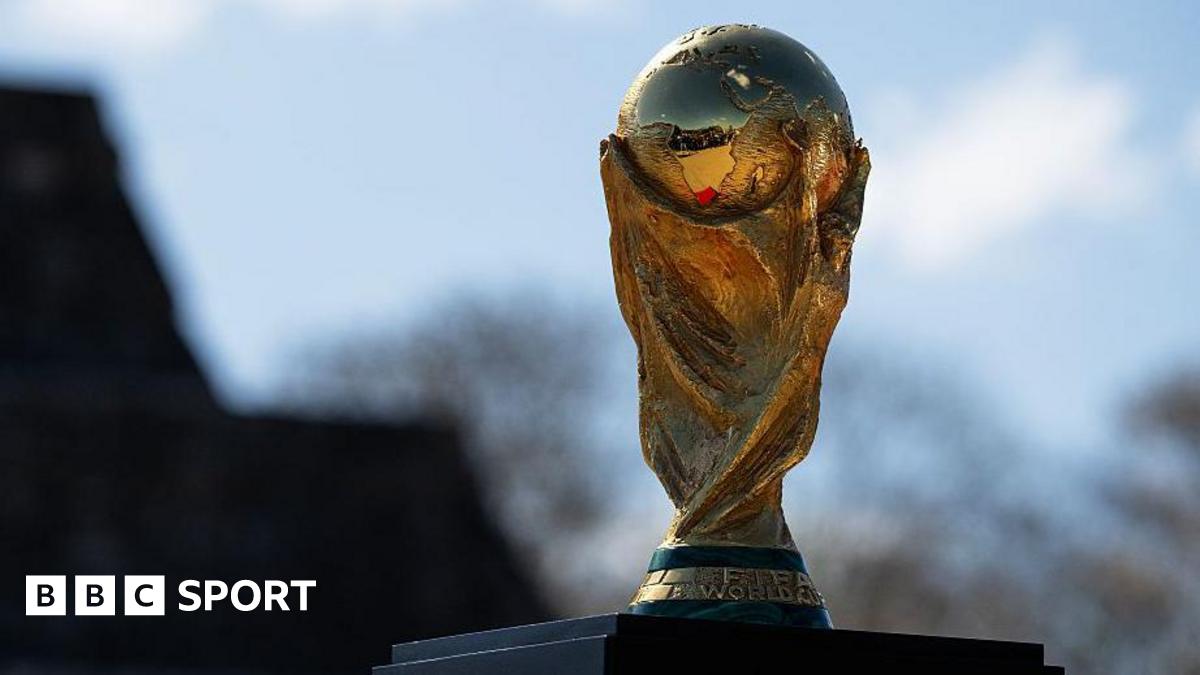
We are exactly 79 days away from the kickoff of the 2026 World Cup. The expanded format is a beast. Forty-eight teams stretched out across the United States, Mexico, and Canada. It is a geographical footprint unlike anything the sport has ever attempted.
FIFA wanted bigger. They got bigger. But bigger comes with an administrative cost that invariably falls on the shoulders of the supporters.
Fans have spent months trying to map out hypothetical routes. You might watch a group stage game in Los Angeles and find your team heading to Houston four days later. The travel costs alone are staggering. Now, the very mechanism of getting into the stadiums is under intense scrutiny.
The European Commission steps in
A formal complaint has been filed. According to a report from the Mirror, FIFA have been reported to the European Commission over their ticketing system. The accusation is severe: breaking European Union laws.
This is not a minor bureaucratic hiccup. It is a direct challenge to how the governing body distributes access to its flagship event. The fact that an EU complaint is landing months before a North American tournament highlights the global friction in FIFA's current model.
European laws regarding consumer protection and anti-competitive practices are stringent. If a ticketing system is deemed to disadvantage fans based on geography, or if the allocation mechanisms obscure true availability, Brussels tends to notice. FIFA operates out of Switzerland, but they sell heavily into the European market.
They cannot simply ignore the European Commission. The legal ramifications are too severe.
The modern ticketing squeeze
We need to talk about what going to a major tournament actually looks like now. The days of simply queuing up or buying a straightforward face-value ticket are dead. They have been replaced by opaque ballots, tiered access, and corporate lock-outs.
The Mirror's report points to a systemic issue. FIFA's ticketing portals often feel like closed systems designed to extract maximum capital rather than fill seats with actual supporters. When you expand a tournament to 48 teams, you are diluting the quality of the early group stages.
You are asking fans to pay premium prices to watch pot-four teams play out a cautious draw in a sterile NFL stadium. If the ticketing system itself is fundamentally flawed or illegal, that proposition becomes entirely unworkable.
Why the atmosphere matters on the pitch
This isn't just an administrative problem. It is a football problem. Empty seats or corporate-heavy lower bowls actively damage the product on the pitch.
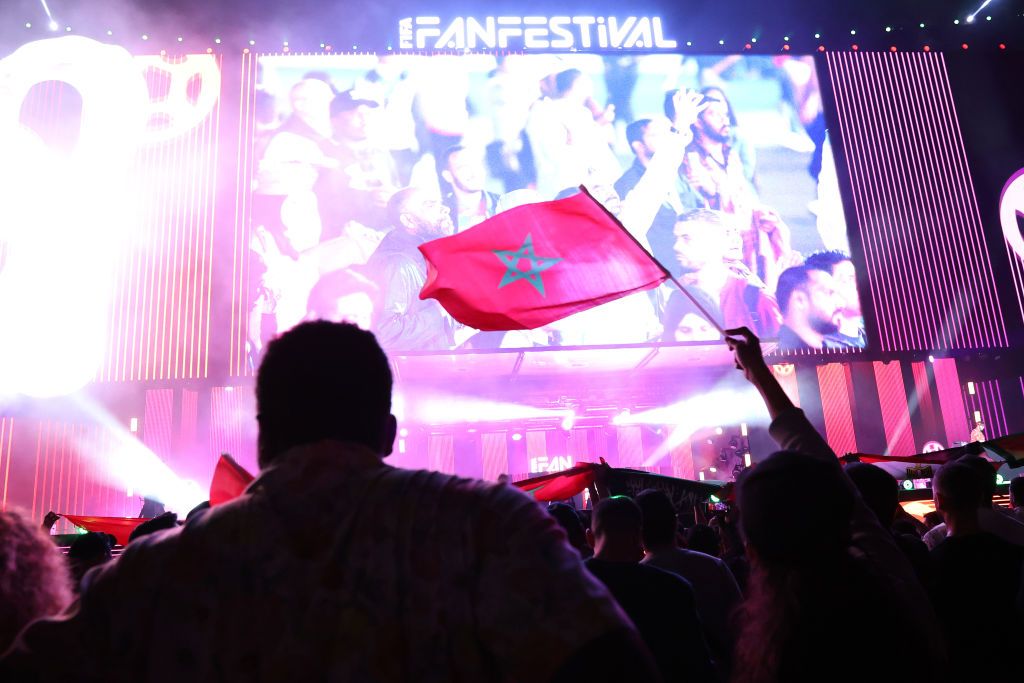
Look back at recent tournaments. The games that crackle with tactical intensity are the ones where the crowd is actively engaged. When a high-pressing team like Ralf Rangnick's Austria or a defensively resolute side like Morocco operates, they feed off the energy of their traveling support.
If true fans are priced out or legally blocked by a convoluted ticketing process, we end up with the worst kind of international football. Passive crowds lead to passive matches. Midfield blocks drop five yards deeper. The pressing triggers lose their urgency.
A sterile stadium breeds sterile football. We saw it in the early group games in Qatar. If FIFA botches the ticketing for 2026, they are sabotaging the tactical rhythm of their own tournament.
The North American challenge
The geography of the 2026 World Cup exacerbates every ticketing flaw. In Germany or France, a fan might miss out on a ballot but can still jump on a train to the host city to watch in a fan zone.
You cannot simply jump on a train from London to Guadalajara. Or from Berlin to Seattle. The commitment required from European fans traveling to North America is massive. Flights are booked months in advance. Hotels demand non-refundable deposits.
Fans need absolute certainty from the ticketing system. Instead, they are getting allegations of broken EU laws. It is a staggering failure of basic organization from the governing body.
How uncertainty kills the traveling advantage
Consider the impact on the pitch. Teams rely on their traveling support. When England played in Russia in 2018, the slow build-up of fan presence directly mirrored their run to the semi-finals.
Managers factor stadium atmosphere into their tactical setups. A hostile, packed stadium demands a different opening fifteen minutes than a half-empty corporate bowl. If you are managing a European side heading to the Americas, you need to know if your fans will actually be there.
If the European Commission freezes or alters ticketing distributions, that fan presence becomes an unknown variable. Will the Dutch bring their massive orange wall to Monterrey? Will the travelling Tartan Army be able to secure legitimate entry in Vancouver?
Tactical momentum is built on these margins. When a team needs to survive a spell of intense pressing, the roar of their own fans provides the adrenaline. If those seats are empty because of a convoluted, legally dubious ticketing portal, the players suffer.
Corporate allocation versus real support
FIFA has a long, documented history of prioritizing sponsors over supporters. The prime seating between the penalty boxes is almost exclusively reserved for corporate partners. This pushes genuine fans into the upper tiers or behind the goals.
When legal complaints hit this late in the cycle, it usually means the secondary market or the distribution algorithms are functioning in a way that actively harms the consumer. The European Commission does not get involved because a few fans missed out on a ballot. They get involved when a system appears structurally unfair.
The 2026 World Cup was supposed to be a massive celebration of the sport's growth in North America. Instead, we are talking about lawyers and consumer protection laws less than three months from the opening match.
A critical misstep
This is where FIFA's arrogance usually trips them up. They assume the demand for the World Cup is entirely inelastic. They believe people will jump through any hoop, pay any fee, and navigate any broken system just to be there.
But the expanded format tests that theory. There are more games, more stadiums, and more tickets to sell than ever before. If the European ticketing market seizes up due to legal challenges, FIFA could be facing the embarrassing prospect of empty seats at a North American World Cup.
They cannot afford that visual. Broadcasters pay billions for the spectacle of a full, vibrant stadium. If the ticketing system is fundamentally broken, the entire financial house of cards starts to wobble.
What happens next
The European Commission moves slowly, but the tournament does not. FIFA will likely deploy an army of lawyers to stall or deflect the complaint.
They might make minor concessions. A slight tweak to the allocation algorithm. A carefully worded press release about fairness and transparency. But the underlying mechanics of the system are unlikely to change before the first ball is kicked.
For the fans currently caught in the middle, the reality is grim. You are trying to plan the trip of a lifetime while the governing body fights off accusations of illegal practices.
The final verdict
My prediction? FIFA will weather the legal storm in the short term, but the damage to the 2026 tournament's atmosphere is already done. Thousands of genuine European supporters will simply opt out.
The ticketing process has become too hostile, too expensive, and now, potentially illegal. We will see full stadiums in the knockout rounds, but expect some shocking visual gaps in the early group stages.
When a mid-tier European side faces a Central American qualifier in an 80,000-seat stadium in the American Midwest, the flaws in FIFA's system will be laid bare. They wanted the biggest World Cup ever. They are about to get a painful lesson in basic supply and demand.