The price of football in 2026
Gianni Infantino is back at a microphone, which means it is officially time to start checking your bank accounts. We are sitting here in early May, exactly 35 days out from the kickoff of the massive 2026 FIFA World Cup, and the governing body’s president is on a relentless PR offensive. His goal? Trying to convince the global public that dropping what amounts to a small fortune on match tickets is a totally reasonable ask. It is the kind of spin that would make a seasoned political operative blush.
The hype for this tournament is undeniably huge. A 48-team sprawl across the United States, Canada, and Mexico is unprecedented in its scale and ambition. We have never seen a sporting event try to swallow an entire continent quite like this. But the price tags attached to that massive hype are genuinely staggering. Infantino’s current defense of the pricing structure is bordering on the absurd, highlighting exactly how disconnected the suits in Zurich are from the people who actually watch and sustain the sport week in and week out.
According to recent reports from the Mirror, some of the absolute premium ticket packages are floating around the £1.5m mark. Yes, you read that number correctly. We have reached the point where attending a football tournament costs as much as a luxury estate. And the man in charge of the global game is out here acting like this is just standard operating procedure for a modern sporting event. He is defending the indefensible with a straight face.
The American market on steroids
To really understand how we arrived at this grim reality, you have to look at the local market dynamics. The United States sports ticketing scene is a completely different beast compared to European or South American football. American fans are entirely accustomed to dropping hundreds of dollars just to get in the door for a meaningless regular-season NFL or NBA game. The culture of dynamic pricing, rampant secondary markets, and corporate dominance is already baked in.
FIFA looked at that reality, rubbed their hands together, and their eyes turned into cartoon dollar signs. Infantino is utterly adamant that the ticket prices are not extortionate. He has openly defended the massive costs that have come with playing matches in the United States this summer. He repeatedly points to the logistical nightmare of housing, transporting, and securing a massive 48-team tournament across a footprint that spans multiple time zones.
And sure, let us be fair for a second. Security and logistics in North America are incredibly expensive. But passing that cost directly onto the consumer at this aggressive scale is a conscious choice. It is a calculated move to maximize revenue in the richest consumer market on earth. The justification falls entirely flat when you consider the sheer volume of broadcasting and sponsorship money already flooding into FIFA’s overflowing coffers. They do not need to squeeze the average fan this hard to make the math work. They are doing it simply because they know they can get away with it.
Defending the indefensible
Let's talk about the defense itself. The FIFA boss has trotted out a bizarre pledge to try and smooth over the mounting public backlash. While the specifics of his promises often shift depending on what room he is standing in or which broadcaster is asking the questions, the core message remains frustratingly consistent. Stop complaining, open your wallets, and enjoy the show.
He desperately wants us to believe that the ultra-premium packages subsidize the cheaper seats for the regular fans. But when the so-called cheap seats still require a working-class supporter to take on credit card debt just to take their kids to a group stage snoozefest between two unseeded nations, the argument completely collapses. It is a trickle-down economics fairytale applied to football ticketing.
If you want to take a family of four to a match in Los Angeles, Dallas, or Kansas City, you are looking at massive flight costs, wildly inflated hotel rates, and match tickets that look like a down payment on a car. Infantino knows this. The organizing committee knows this. They just do not care. The target demographic for this World Cup is no longer the die-hard fan who lives and breathes the sport. The new target audience is corporate sponsors, tech executives, influencers hunting for content, and people who want to be seen at the biggest cultural event of the summer.
The hypocrisy of global expansion
What makes this pricing strategy so bitter to swallow is how it directly contradicts the stated goals of the tournament. The entire justification for expanding the World Cup to 48 teams was to grow the game. We were told this was about inclusivity. We were told this was about giving smaller footballing nations a chance to step onto the biggest stage and share their culture with the world.
But what good is qualifying if your fans literally cannot afford to follow the team? Imagine a smaller nation scraping through qualification for the very first time. The players are heroes. The fans back home are absolutely ecstatic. Then they look at the logistics. They look at the flights to Miami, the hotel rates in New York, and the baseline ticket prices. Suddenly, supporting their country becomes an impossible dream reserved only for their wealthiest citizens.
The sheer size of the United States makes this even harder. You aren't just jumping on a quick train across Germany or France. You are flying from Houston to Seattle to catch the next match. The travel costs alone are enough to bankrupt a normal supporter. Adding extortionate ticket prices on top of that feels intentionally cruel. It turns the global game into a gated community.
The corporate takeover is complete
This isn't exactly a new trend, of course. We saw the creeping corporate influence in Qatar and Russia, where vast sections of the stadiums were reserved for VIPs who barely watched the pitch. But 2026 feels like the absolute breaking point. The suits have finally and unapologetically priced out the actual supporters without even bothering to pretend otherwise.
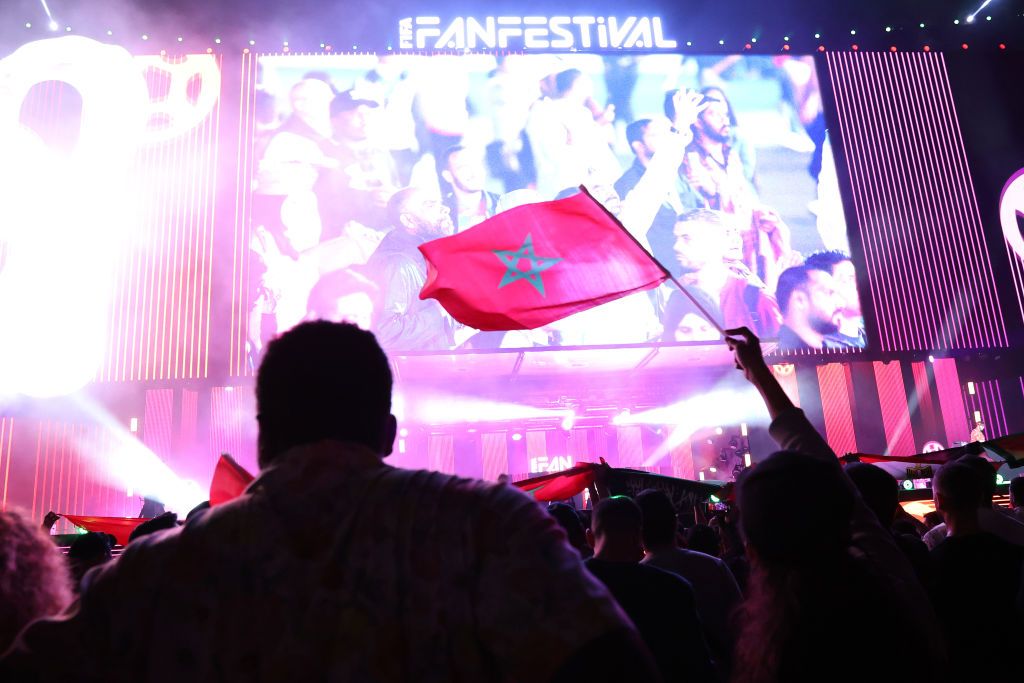
The stadiums will be packed. There is no doubt about that. The baseline demand in North America is simply too high for empty seats, even at these absurd prices. But the venues will be packed with a very different kind of crowd. The chaotic, vibrant atmosphere that makes a World Cup special—the drums, the coordinated chanting, the beautiful mess of global fan cultures colliding—is going to be severely diluted.
You cannot manufacture that kind of raw passion in a corporate hospitality suite. You cannot buy the authentic energy of fans who have saved up for four years just to be there. FIFA is trading the soul of the tournament for an immediate cash injection.
What happens when the bubble bursts?
There is a massive, looming risk here that FIFA is completely ignoring in their pursuit of record profits. By aggressively alienating the core fanbase, they are gambling the long-term cultural relevance of the tournament for short-term financial gain. The World Cup is special precisely because it belongs to everyone. It is a shared global experience. When you put a literal million-pound price tag on the premium experience and price gouge the cheap seats, you send a clear message to the rest of the world that they are no longer welcome.
Think about the sheer disconnect between the rhetoric and the reality. On one hand, FIFA talks endlessly about grassroots development. They talk about building pitches in developing nations and supporting the amateur game. But when the pinnacle of the sport finally arrives, they build a financial fortress around it. They are effectively telling a kid playing on a dirt pitch in South America or a concrete court in London that this tournament is not actually for them. They can watch it on a screen, assuming the broadcasting rights haven't been locked behind another expensive paywall, but they can never hope to be part of the crowd.
This is the harsh reality of modern football administration. The fan is no longer viewed as a stakeholder; the fan is viewed purely as a revenue stream to be exploited until it runs dry. And in the massive, commercialized arena of North America, FIFA has found the perfect laboratory to test exactly how far they can push the pricing before the system breaks. Judging by Infantino's defensive posture, they know they are walking a fine line, but they are absolutely willing to take the risk.
The football itself this summer will probably be brilliant. The expanded 48-team format will undoubtedly give us weird, compelling matchups, unexpected dramatic upsets, and massive on-pitch drama. The talent pool is too deep for the actual games to fail. But the heart of the tournament is actively being auctioned off to the highest bidder.
Gianni Infantino can stand in front of as many microphones as he wants and aggressively defend the costs. He can make bizarre pledges about accessibility, grassroots growth, and global unity. He can smile for the cameras and shake hands with politicians. But the numbers simply do not lie. The 2026 World Cup is shaping up to be a cash grab on a completely unprecedented scale, and the people running the show are not even trying to hide it anymore. They have turned the people's game into a luxury commodity.