The Countdown Clock Just Started Ticking
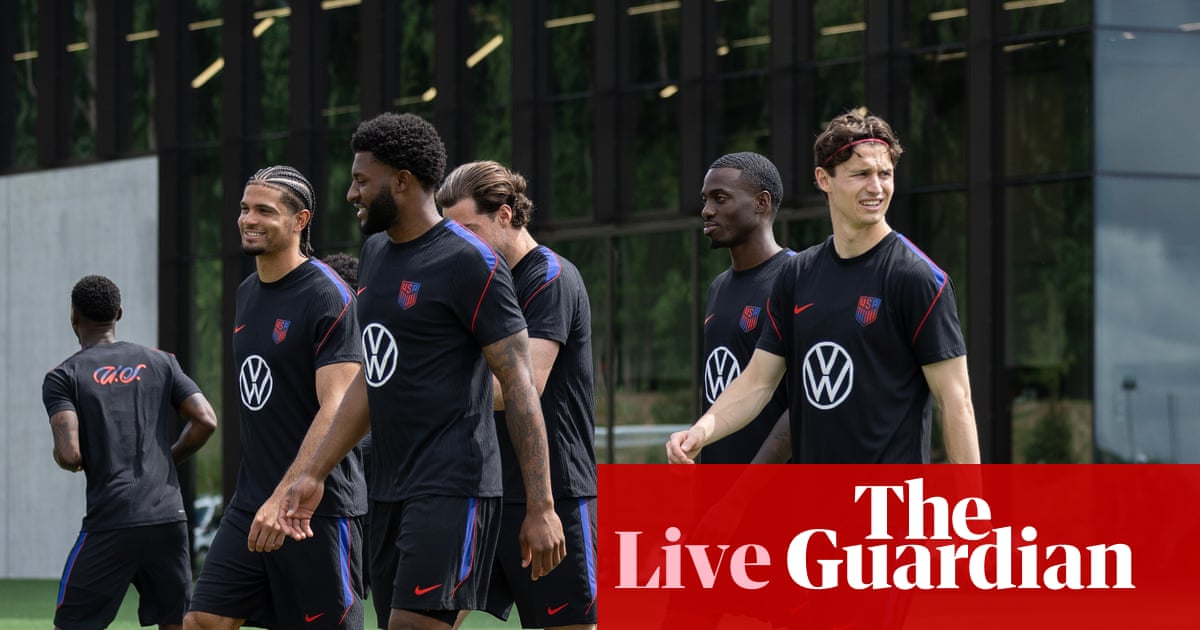
Today is 11 days from the World Cup opener. The United States men’s national team is facing a high-stakes friendly against Senegal, but the focus has shifted from tactical experimentation to damage control. The squad arrived in Kansas City with a thin margin for error as medical staff monitor a series of lingering knocks that could redefine the starting XI against Bolivia.
As The Guardian reported, the immediate concern is the lack of depth if key personnel fail fitness tests before the tournament opener. Managers rarely hold back personnel in final friendlies, but the 3.30pm ET kickoff against the Senegalese side presents a physiological risk that staff are currently managing with extreme caution.
Tactical Volatility and Internal Pressure
The coaching staff faces a dilemma. Do you play the starters to build rhythm, or protect them from further aggravation of minor ailments? History suggests a middle ground, but the modern game is unforgiving. Pre-tournament friendlies in the final two weeks of camp often result in 'precautionary' benchings that mask more significant long-term issues.
Senegal enters this match with a physical profile that test teams on high-recovery output. If a player looks tentative in the tackle today, it is not just a tactical choice. It is a sign of a body that hasn't fully recovered from the club season slog. We have seen this play out in previous cycles where minor muscle tightness became a tournament-ending grade-one strain.
The Burden of Expectation
The USMNT is operating under a unique set of pressures during this home-hosted cycle. Hosting increases visibility, but it also amplifies the scrutiny on every training pitch activity and medical report. If the medical staff miscalculates today, the impact will be felt during the opening group stage matches.
The current injury report remains fluid. We are tracking a few names currently listed as game-time decisions. These aren't long-term structural failures, but in a 23-man roster, losing a starter in the 11th hour before the tournament creates a ripple effect. It rearranges the entire defensive pivot and shifts the attacking shape.
The Risk of Overcompensation
Analysts expect the US to prioritize possession to minimize defensive transitions against Senegal. This is a deliberate strategy aimed at reducing the chance of contact injuries in open-field sprints. It is a smart play, but it leaves zero room for error if the match intensity spikes.
Historically, success in home tournaments relies on avoiding injury-induced rotation. The 2026 roster depth is a major question mark. If the bench cannot replicate the output of the starting unit, the team’s ceiling drops immediately. Coaches are balancing the need for cohesion against the physical reality of a long European season for those playing abroad.
Strategic Shifts for June
Beyond the current match, the staff must manage travel fatigue alongside recovery. Following the Senegal game, the team moves into the tournament bubble. Every day off the training field between now and kickoff is an opportunity for inflammation to settle or intensify.
Expect the lineups today to feature heavy rotation by the 60th minute. This is a game of management rather than assertion. The objective is to finish the match with the same squad that started, keeping the roster available for the opening match on June 11.
Final Assessment of the Training Camp
The medical team has been conservative throughout this final camp. They are prioritizing long-term availability over immediate match fitness. While critics argue this removes the edge from the squad, it is the only logical path in a compressed schedule.
We are watching for any hesitation in high-intensity pressing patterns. If the intensity drops, the medical report likely has a reason. We’ll keep tracking the updates through the final whistle to see which, if any, players are pulled early to preserve their health for the upcoming campaign.
Read Next
- Billy Gilmour ruled out of World Cup in brutal blow for Scotland
- Billy Gilmour ruled out of World Cup following knee injury
- Arsenal have the personnel but lack the nerve for the Champions League
- Soccer Aid 2026 talent drain shows the hazards of exhibition football
- 🏆 World Cup 2026 — Full Coverage Hub
- 🇺🇸 USMNT World Cup 2026 — Team USA Coverage Hub
- ⚽ MLS 2026 Season Hub — World Cup Year Guide