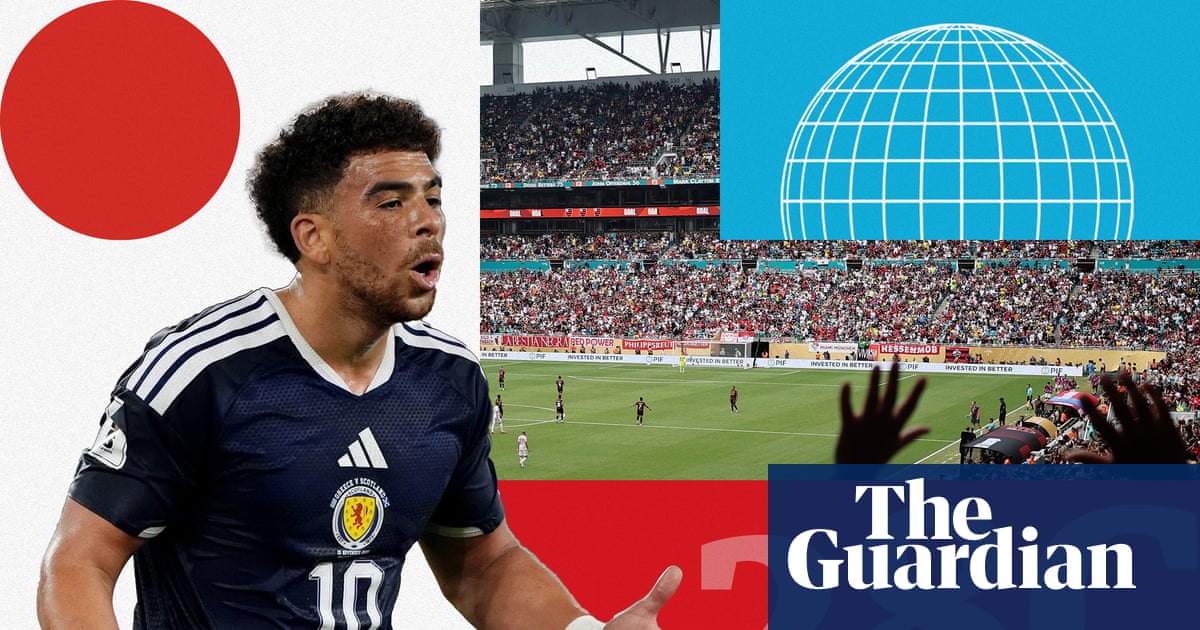
The Summer of Discontent
The 2026 FIFA World Cup is supposed to be a celebration, a triumphant return to North America for the first time in over three decades. With kickoff on June 11, the stage is nearly set. Yet instead of building excitement, the build-up is dominated by a growing chorus of concern and outright anger. The conversation isn't about tactics or star players; it's about player safety, logistical chaos, and a tone-deaf halftime show that has fans incensed.
FIFA's grand vision for its expanded 48-team tournament is already hitting turbulence. A series of unforced errors and brewing crises have put the organization on the back foot, facing legitimate questions about its priorities and competence. Is football’s governing body building a festival of football or a commercialized disaster waiting to happen?
"Inadequate" and "Dangerous": The Heat Warning
The single most alarming issue is the threat of extreme heat. A group of world-leading scientists has issued a stark warning, labeling FIFA's current heat safety policies as "inadequate" and claiming the organization is "risking player safety". The report, cited by the BBC, suggests players could face a serious risk of harm under the current protocols.
Researchers are not mincing words, pointing to a "real risk" of unsafe conditions for both players and fans. An analysis by The Guardian highlights that matches played in Miami, Dallas, and Kansas City are most likely to be affected, with temperatures potentially soaring into dangerous territory. The threat isn't just discomfort; it's heatstroke and serious health complications.
Experts polled by The Mirror warn that climate change has significantly spiked the risks compared to the last time the US hosted in 1994. The tournament's scheduling, with games played during the hottest parts of the day in some of the hottest cities in North America, looks less like a plan and more like a reckless gamble. FIFA's response has been seen by many as insufficient, a worrying sign that commercial and broadcast interests might be outweighing fundamental player welfare.
The lack of a robust, transparent, and binding heat policy is a massive failure. Simply having "cooling breaks" is not a strategy; it's a minimal, reactive gesture. The science is clear, and the warnings have been sounded for months. The refusal to proactively move kickoff times or implement stricter, non-negotiable safety measures is a dereliction of duty. It sends a message that the well-being of the athletes is a secondary concern to a rigid schedule.
A Halftime Show Nobody Asked For
As if the life-and-death concerns over heat weren't enough, FIFA clumsily stumbled into a cultural firestorm. The announcement of the World Cup Final's halftime show performers—Madonna, Shakira, and K-pop group BTS—has been met with widespread derision and fury, particularly from American fans.
As the Daily Mail reported, US soccer fans have slammed the decision as a "nonsense" move that snubs countless American stars in a tournament being held primarily in their backyard. The prolonged half-time interval, confirmed by FourFourTwo, to accommodate this Super Bowl-style extravaganza feels like a cheap imitation, an attempt to Americanize the event in the most superficial way possible while simultaneously misunderstanding the local culture.
The choice of headliners feels arbitrary and disconnected from the host nations. While all are global superstars, the lineup lacks any coherent link to the US, Mexico, or Canada. It smacks of a decision made in a Zurich boardroom by executives ticking demographic boxes rather than a genuine effort to create a culturally resonant event. The backlash suggests fans see it for what it is: a blatant commercial play that interrupts the flow of the most important football match on the planet.
Logistical Nightmares and Broken Promises
Away from the pitch and the stage, the logistical preparations are also showing cracks. With less than a month to go, the Iranian FA president confirmed that his players have still not been issued visas to enter the United States. It's an embarrassing and completely avoidable situation that threatens a nation's participation.
Meanwhile, fans have been navigating a maze of bureaucratic hurdles. While the Trump administration did a U-turn on a controversial $15,000 visa bond for fans from certain countries, the BBC notes that significant challenges remain, particularly for fans traveling from Africa. These issues create a perception of a tournament that is inaccessible and poorly managed, hardly the welcoming global festival FIFA advertises.
These aren't minor hiccups. They are fundamental failures in the planning of a mega-event. Ensuring teams and fans can actually get into the country is the absolute baseline requirement, and FIFA and the host nations appear to be struggling with even that.
Player Focus Amidst the Chaos
While the off-field drama rages, team preparations continue. Didier Deschamps announced a typically formidable France squad, led by Kylian Mbappe and the reigning Ballon d'Or holder Ousmane Dembele. The inclusion of Crystal Palace's Jean-Philippe Mateta shows the depth of their talent pool. On the other end of the spectrum, defender Tommy Smith, whose club Braintree Town was just relegated from England's fifth-tier National League, was proudly named in the New Zealand squad, a testament to the diverse stories the World Cup produces.
But injuries and fitness concerns loom. Brighton boss Fabian Hurzeler admitted he "is not sure yet" if star winger Kaoru Mitoma will be fit for Japan, a potentially massive blow to their hopes. These are the stories that should be dominating the headlines—the player journeys, the tactical questions, the national hopes. Instead, they are footnotes to a narrative of corporate mismanagement.
Probability & Impact
This isn't a transfer deal, but the probability of these issues casting a dark shadow over the 2026 World Cup is nearing 'Here we go' territory. The impact is potentially massive. A major heat-related incident involving a player would be a catastrophic and unforgivable tragedy. A halftime show that is booed by the stadium and mocked online would become a permanent meme, tarnishing the final. Continued visa fiascos could lead to diplomatic incidents and further alienate global fanbases.
The expected timeline for a resolution is perilously short. FIFA has mere weeks to convince the world it has a handle on player safety. The damage from the halftime show announcement is already done. The World Cup will go on, but its legacy is already being written. Right now, it's shaping up to be a tournament remembered not for the football, but for FIFA's hubris and incompetence.