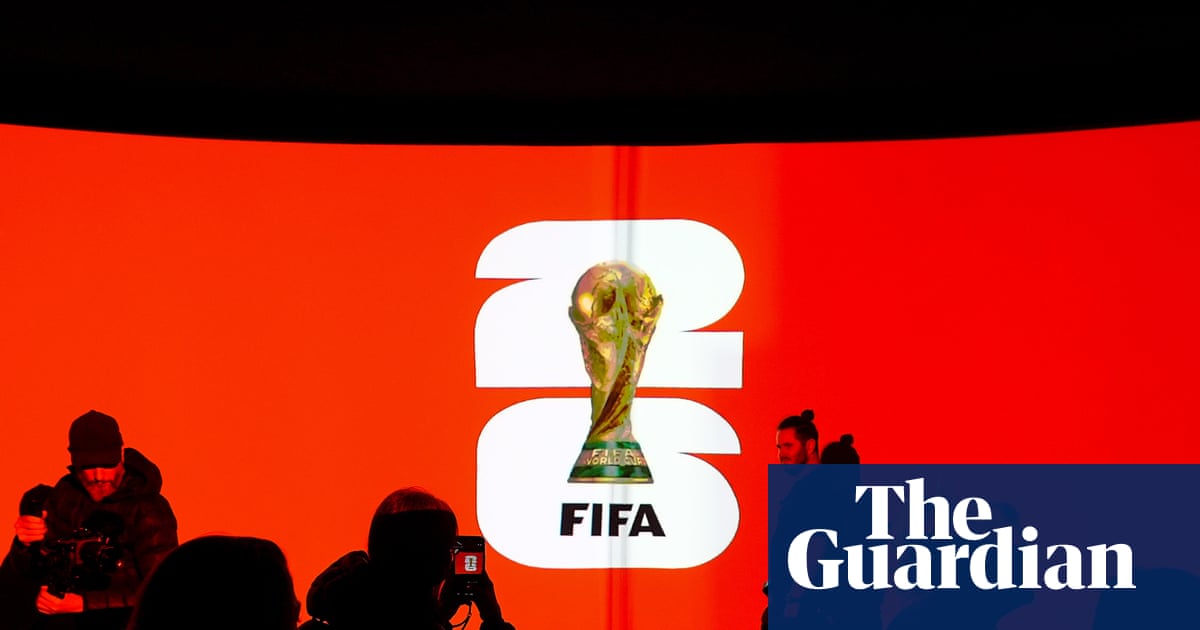
FIFA is ignoring the physiological reality of a North American summer

The tactical death of the high press
Modern football is defined by intensity. We track 'sprint distance,' 'high-speed runs,' and 'pressing triggers' as the primary metrics of elite performance. But as the 2026 World Cup approaches, these metrics are about to collide with the brutal reality of a Texas July. FIFA's current heat safety measures are not just insufficient; they are a direct threat to the tactical integrity of the game.
When scientists warn that current measures are inadequate, they aren't just talking about water breaks. They are talking about the physiological ceiling of the human body. At a certain heat and humidity threshold, the body cannot dissipate heat fast enough to sustain high-intensity intermittent exercise. For a team like Germany or Spain, whose identities are built on suffocating opposition in their own half, this tournament will be a tactical nightmare.
We saw glimpses of this in Qatar, but the controlled environments of air-conditioned stadiums masked the problem. North America is a different beast. Moving between the high-altitude thin air of Mexico City and the swamp-like humidity of Miami or Houston creates a chaotic physical environment. The tactical response will be inevitable: a return to the 'walking football' we saw during USA 94, where teams retreated into deep blocks to survive the midday sun.
The commercial logic of the midday kickoff
The core of the problem is the broadcast schedule. FIFA is a commercial entity first and a sporting body second. To maximize revenue from European and Asian markets, they need kickoffs that hit prime time in London, Paris, and Berlin. On the US East Coast, that means 1 PM or 3 PM starts. In cities like Orlando or Atlanta, this is when the heat index is at its most lethal.
A recent BBC report highlighted that world-leading scientists are sounding the alarm over these specific slots. FIFA suggests that their current 'Cooling Break' protocol — a three-minute pause in each half — is enough. It isn't. Physiology doesn't reset in three minutes. A player's core temperature can exceed 40 degrees Celsius during a match; a quick sip of Gatorade doesn't bring that down.
The scientists are right to call these measures inadequate. By prioritizing the $2 billion expected in TV rights over the Wet Bulb Globe Temperature (WBGT), FIFA is gambling with player safety. If a game in Dallas kicks off at 2 PM, the internal temperature of the players will reach dangerous levels before the first cooling break is even called. It is a negligent approach to athlete welfare.
The geography of exhaustion
The 2026 expansion to 48 teams exacerbates the issue. We are looking at 104 matches across 16 cities. The travel alone is exhausting, but the climatic shifts are the real silent killer. A squad might play their first group game in the cool, temperate climate of Vancouver, only to fly to the 95-degree heat of Monterrey five days later. The recovery time required for that kind of transition is significantly longer than the standard 72-hour window.
Tactically, we will see a decline in technical quality. When players are exhausted, their first touch is the first thing to go. Passing accuracy drops, and decision-making becomes sluggish. We are likely to see more goals coming from set-pieces and individual errors rather than intricate team play. The 'beautiful game' becomes a war of attrition where the winner is simply the team that manages their hydration levels better.
There is also the matter of the fans. While the focus is often on the 22 players on the pitch, the hundreds of thousands of supporters traveling between outdoor fan zones and stadiums are equally at risk. FIFA’s infrastructure plans for these fan zones look alarmingly light on shade and cooling stations. It’s a systemic failure to acknowledge that this is a summer tournament held in a region that is increasingly inhospitable in July.
A critical lack of transparency
The most frustrating aspect of this is FIFA's refusal to release their internal medical data regarding heat stress from previous tournaments. They claim to have the situation under control, yet they provide no peer-reviewed evidence to support their protocols. Why are they ignoring the independent scientists who specialize in thermal physiology? The answer, as always, is that the science contradicts the schedule.
We should also talk about the surface temperature of synthetic pitches. While most host stadiums will use grass, the surrounding training facilities often utilize hybrid or synthetic turf. These surfaces can reach temperatures 20 degrees higher than natural grass. A morning training session on a synthetic pitch in Kansas City can be more draining than a full match in a temperate climate. FIFA has remained silent on how they will monitor these micro-climates.
Inadequate measures put players at risk of serious harm, and the current cooling break system is a placebo for a much deeper physiological crisis.
The negative observation here is clear: FIFA is treating player safety as a PR hurdle rather than a genuine constraint. They are waiting for a high-profile collapse before they take WBGT seriously. The arrogance required to dismiss a group of world-leading scientists is staggering, but it is par for the course for an organization that has spent decades trading athlete health for market share.
The survival of the deepest squads
In this environment, squad depth isn't just a luxury; it's the only way to win. The traditional 'starting XI' will not survive a seven-game run to the final. Coaches like Pep Guardiola or Luis Enrique, who demand constant movement, will have to adapt or fail. We might see teams effectively 'punting' on certain phases of the game, intentionally giving up possession to save energy for 15-minute bursts of activity.
This will change the profile of the successful World Cup player. The high-energy 'shuttlers' who cover 12km a game will be replaced by the technical specialists who can dictate play from a standing start. Think of it as the Andrea Pirlo effect. Players who can pass a team to death without ever breaking into a sprint will be the most valuable assets in the 2026 heat. It’s a regression in the physical evolution of the sport, forced by poor planning.
Ultimately, the 2026 World Cup risks being remembered for the wrong reasons. We want to talk about the 48-team Cinderella stories and the spectacle of a three-nation host. Instead, we are likely to spend the summer talking about heat exhaustion, sluggish tempos, and the 87th-minute collapses that define football played in a furnace. FIFA has 28 days to adjust their kickoff times or admit they’ve made a dangerous mistake. They will likely do neither.
Icon Sports Group Premier League Reversible Soccer Scarf
Show your club loyalty with this premium, high-quality reversible knit scarf.
Frequently Asked Questions
Why are scientists concerned about the 2026 World Cup?
How will the summer heat affect team tactics in 2026?
Why are 2026 World Cup matches scheduled for the middle of the day?
What are FIFA's current cooling break rules for matches?
How does the 2026 World Cup travel schedule impact players?
More Coverage

Why England must fear Panama's disciplined low block
12 minutes ago
Arsenal vs PSG: Why tactical rigidity will determine the European champion
an hour agoLincoln City just entered the weirdest experiment in League One history
3 hours ago
Arsenal’s title win has changed the math for London football
5 hours ago
Emily Cassap represents a shift in Northern Ireland's tactics
9 hours ago
Why United must prioritize Ederson to reclaim their midfield
10 hours agoMore Analysis
FIFA's World Cup Build-Up Is A Mess
2 weeks ago
Why the 104-game World Cup will break squads before it even begins
1 week, 5 days ago
England's World Cup strategy rests on beating the heat
1 month, 4 weeks ago
The breaking point of the 2026 World Cup is already here
3 weeks ago
The tactical disaster waiting to ruin the 2026 World Cup final
2 weeks, 2 days ago