Some Things Just Can't Be Manufactured
Let’s be honest, most pre-match entertainment these days is a soulless, corporate-mandated checklist. You get a B-list DJ playing the same four generic EDM tracks you hear in a soulless gym, maybe some retired player mumbling platitudes into a hot mic, all while you're being charged nine quid for a lukewarm beer. It’s fan engagement designed by a marketing committee that thinks ‘passion’ is a trackable KPI.
And then, sometimes, you get something real. Something that slaps you in the face and reminds you why you fell in love with this stupid, beautiful game in the first place. You get Tynecastle.
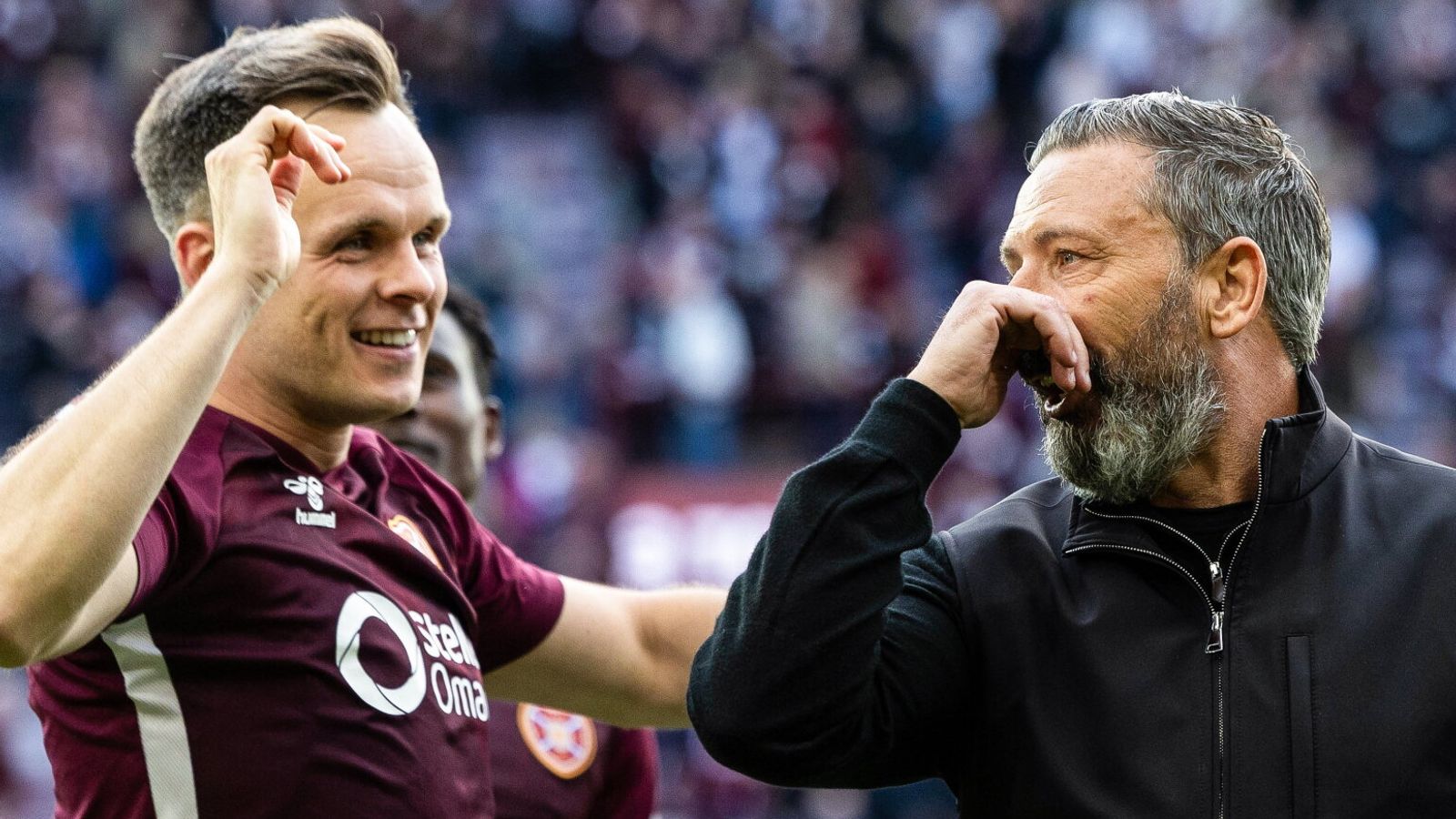
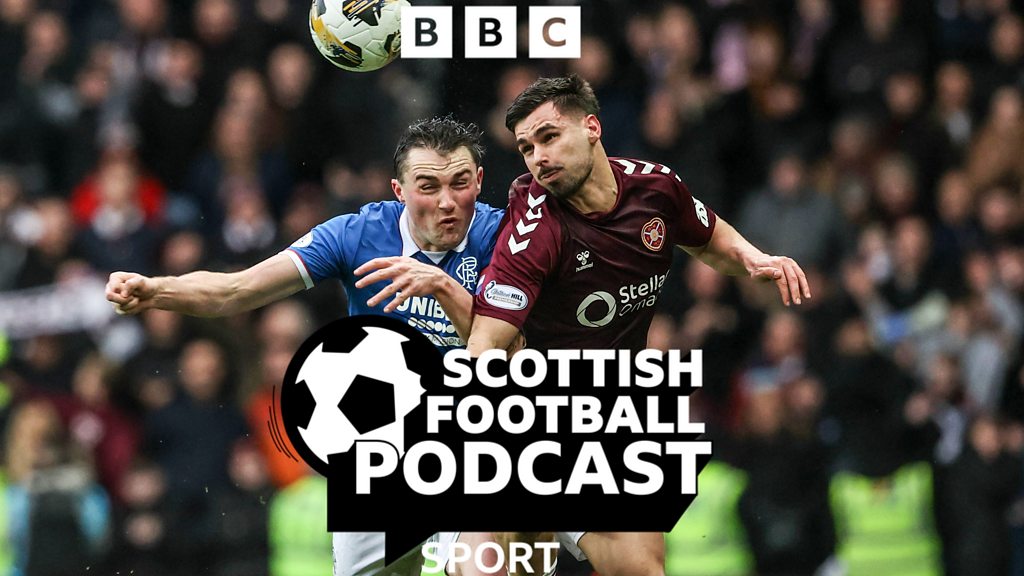
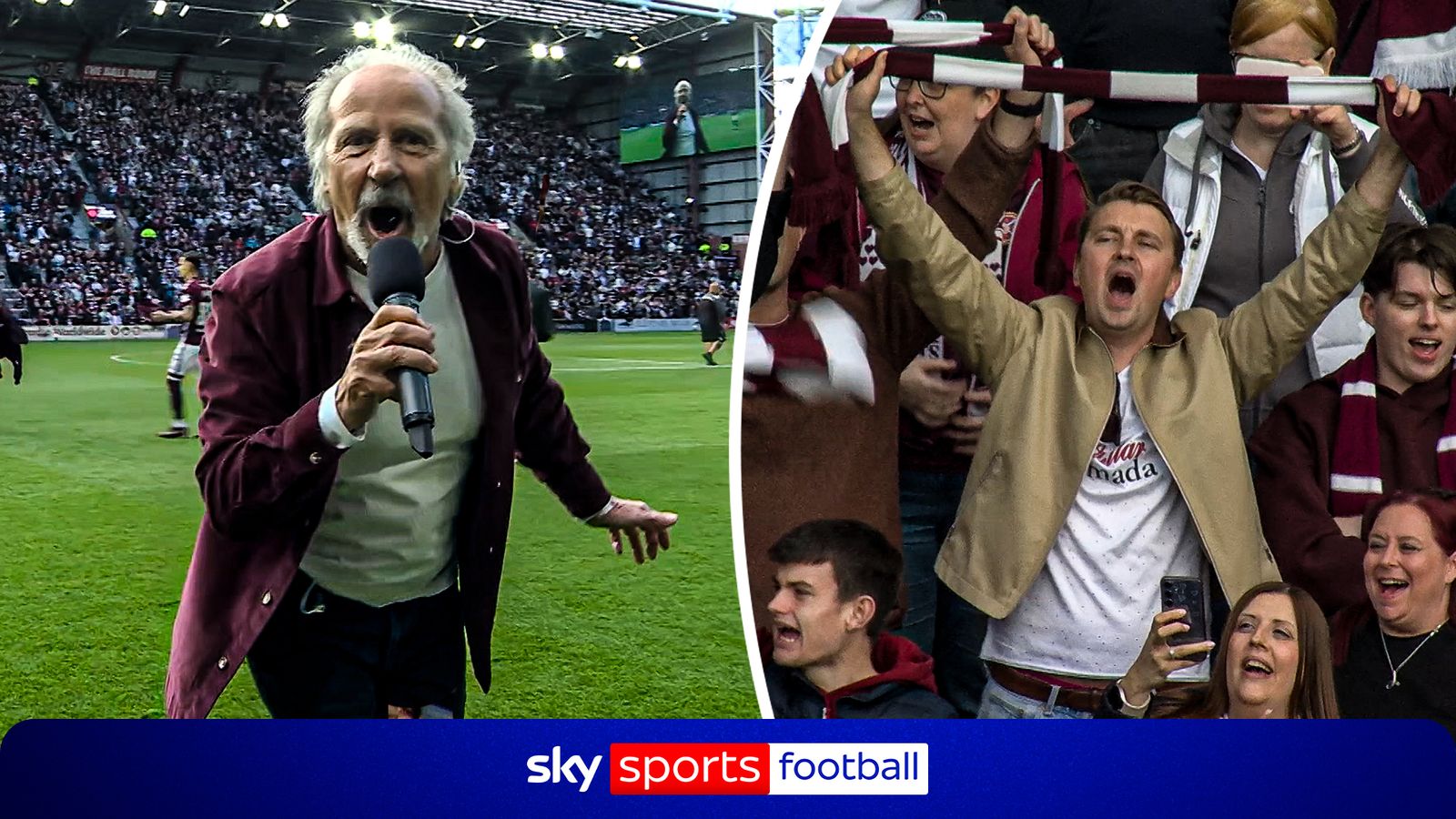
This weekend, before Hearts took on Rangers, they didn't roll out some algorithmically-approved playlist. They handed the microphone to a local singer. No fireworks, no laser show. Just a person, a voice, and thousands of Jambos roaring along, absolutely losing their collective minds. The video from Sky Sports is pure, uncut adrenaline. It's a pulsating, deafening wave of noise and pride from a fanbase that lives and breathes their club. It’s a scene of such raw, tribal power that it makes the carefully curated 'atmospheres' in richer leagues look like a joke.
The Tynecastle Anomaly: A Fortress of Noise
You have to understand what makes a place like Tynecastle tick. It’s not a modern, soulless bowl dropped on the side of a motorway. The stadium is a magnificent, chaotic relic crammed into a residential neighborhood. The stands are practically vertical, so the fans feel like they're spilling onto the pitch. It was designed to intimidate, to be a pressure cooker of a ground where opponents feel the breath of every single home fan on their necks.
Hearts exist in the long, distorted shadow of the Old Firm. Scottish football has been a two-horse race for so long that finishing third is treated like winning a major trophy. Rangers and Celtic have the money, the global reach, the relentless media coverage. But they don't have a monopoly on passion. What clubs like Hearts have is an identity forged in defiance. They are the perennial underdogs, the other team from a major city, and that breeds a unique, powerful bond.
That pre-match roar wasn't just for the cameras. It was a declaration. It was thousands of people, united in one voice, telling one of the giants of their game, "You are in OUR house now." It’s a primal scream of community, history, and belonging. You can't buy that. You can't fake it. You can only build it, generation by generation, through shared misery and shared ecstasy.
The Sterile World of Sanitized Football
Now, contrast that beautiful chaos with the product served up elsewhere. The biggest clubs in the world are so obsessed with global brand appeal that they’ve sanded down all their interesting, rough edges. They want to appeal to everyone from London to Los Angeles to Lagos, and in doing so, they risk appealing to no one in any meaningful way.
They create official 'singing sections' as if passion can be timetabled and assigned a seat number. They blast Dua Lipa over the PA system the second the whistle blows to drown out any actual fan noise, positive or negative. The whole experience is becoming increasingly sterile, predictable, and, frankly, boring. It’s a tourist attraction, not a football match. You go for the Instagram photo, not the gut-wrenching, life-affirming emotional rollercoaster.
This is my critical point, and it's a bleak one: the powers that be in modern football are systematically killing the very thing they use to market the game. They sell 'passion' and 'atmosphere' in their TV deals and sponsorship packages, while simultaneously implementing policies that suffocate it. They want the noise, but only if it's the 'right' kind of noise—sanitized, family-friendly, and easily marketable. The raw, unfiltered, slightly unhinged fury of a proper home crowd? That's too messy. Too real.
You Can't Bottle Lightning
Every now and then, a big club tries to reverse-engineer this authenticity. They'll survey fans on what songs they should play or install a 'singing end' captained by some club-approved ultra. It never, ever works. It feels hollow, a corporate attempt to replicate something that has to be organic.
Liverpool's 'You'll Never Walk Alone' is perhaps the most famous example of a genuine anthem that has become part of the brand. But that took decades. It grew from the terraces, not from a boardroom. What we saw at Tynecastle is the seed of that. It's the living, breathing culture of a club in action. It's a reminder that football is not just a business or a TV show. It's a deeply rooted cultural institution.
The question is whether that kind of raw passion can survive the relentless march of commercialization. Or will it become a relic, something we watch on old YouTube clips and tell our kids about? When you see the scenes from Hearts, you feel a surge of hope. Hope that the real game, the one built on local pride and a shared voice, is still alive and kicking. It's not on life support; it's screaming its lungs out in Gorgie, daring you to ignore it.
In an era of sovereign wealth funds, NFTs, and talk of yet another Super League, the most valuable commodity in football isn't a billion-dollar TV deal or a superstar striker. It’s authenticity. And Hearts, with nothing more than a local singer and a microphone, just reminded the entire footballing world that they have it in spades.