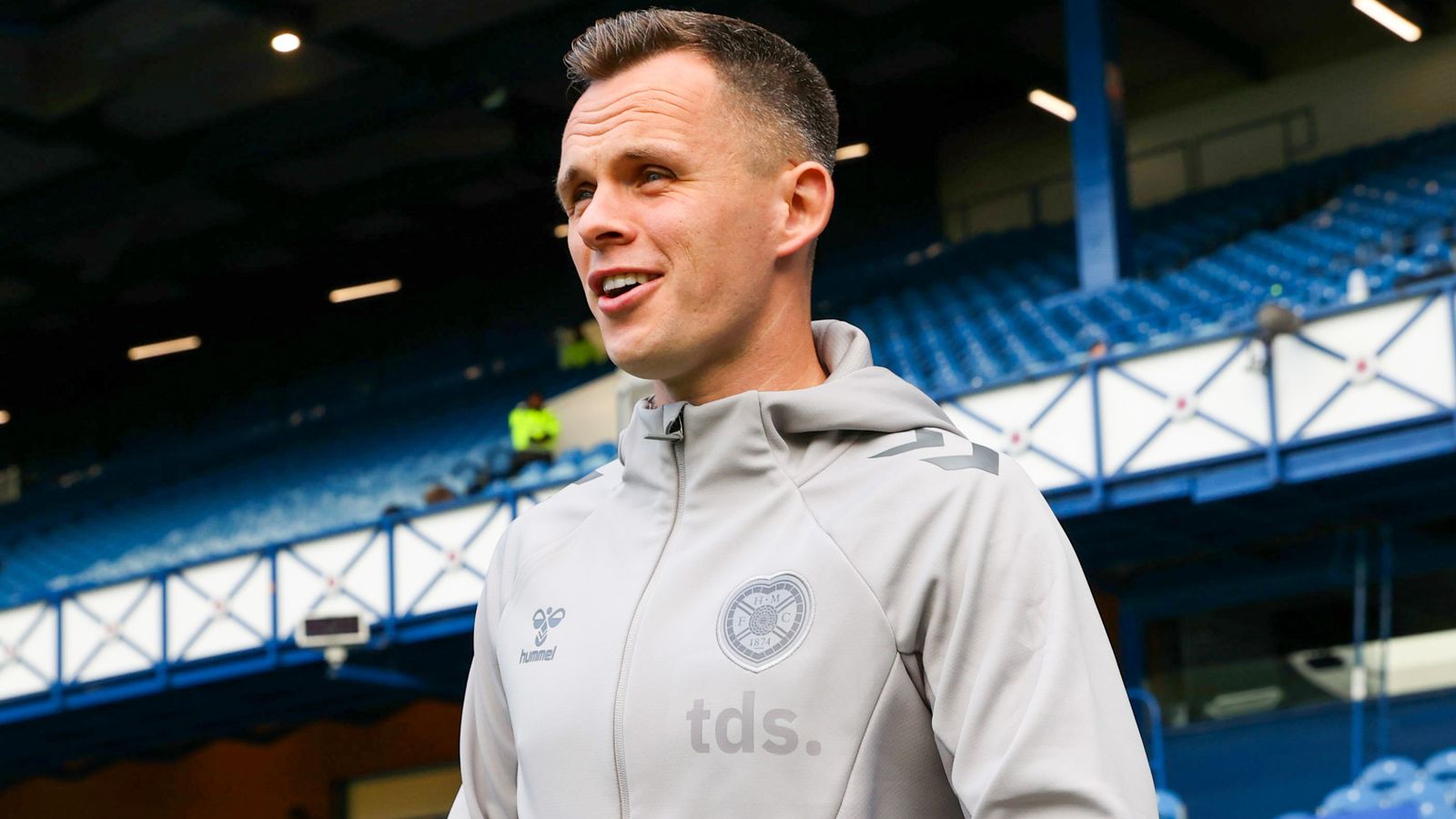
The pressure on the Ibrox front line
Lawrence Shankland trade-marked his time at Tynecastle with a clinical efficiency that Rangers have lacked in high-leverage fixtures. Moving from Hearts to his boyhood club fulfills an emotional narrative for the striker, but the tactical burden shifts immediately. At Hearts, the build-up play often funneled through him as a primary target man; at Ibrox, he must integrate into a rhythm that demands more peripheral involvement and higher pressing intensity.
We have seen these moves before in the Scottish Premiership. High-volume scorers often struggle when the opposition sits deep and restricts space in the final third. Shankland’s xG per 90 was consistently elevated at Hearts, but his success in a domestic double-chasing side hinges on his adaptability within a crowded penalty area.
Tactical alignment under the microscope
Rangers operate with a high defensive line that creates space behind for counter-attacks, yet their primary struggle remains breaking down low blocks. Shankland is not a player who thrives on long-range carries; he is a penalty-box occupant. If the service from the wide areas does not match his movement, the club’s investment in Lawrence Shankland completing his dream move will look like a tactical misfire by mid-autumn.
The defensive discipline required from a Rangers central forward during transition moments is significant. While his poaching instinct is elite, his work rate in defensive phases is less documented. He must prove he can disrupt opposition pivots rather than simply waiting for a transition to strike.
The cost of expectation
There is a glaring flaw in this transition that critics point toward: the speed of adaptation. Rangers do not afford players significant adjustment periods to acclimatize to the pressure of the supporters. The move is a statement of intent, but relying on a striker to maintain his previous scoring rate while changing clubs is a variable that has caused many high-profile transfers to falter.
The transfer market in Scotland often relies on proven domestic talent to bridge gaps left by expensive international gambles. This signing follows that logic perfectly. If he replicates his 24-goal season from the previous campaign, the fee becomes irrelevant. If he disappears for three-match stretches, the questions regarding the recruitment department will intensify.
The verdict
Expect Shankland to find his feet by September, but not without early friction. He will likely start as the primary outlet, putting pressure on attacking midfielders to feed him in pockets of space. My prediction is that the tactical shift will yield a 15-goal return in the first half of the season, though his impact in European competition remains a point of skepticism given the step up in defensive complexity.
Read Next
- Is Lawrence Shankland the clinical edge Rangers desperately needed?
- Rangers move for Shankland and Neil signals an aggressive Govan reset
- Lawrence Shankland to Rangers: The smart move Ibrox finally made
- St Mirren stay up and the internet is having a meltdown
- 🏴 Scotland World Cup 2026 — Tartan Army Hub
- ⚽ Scottish Premiership 2025-26 — Celtic vs Rangers Hub