The Cost of Attrition
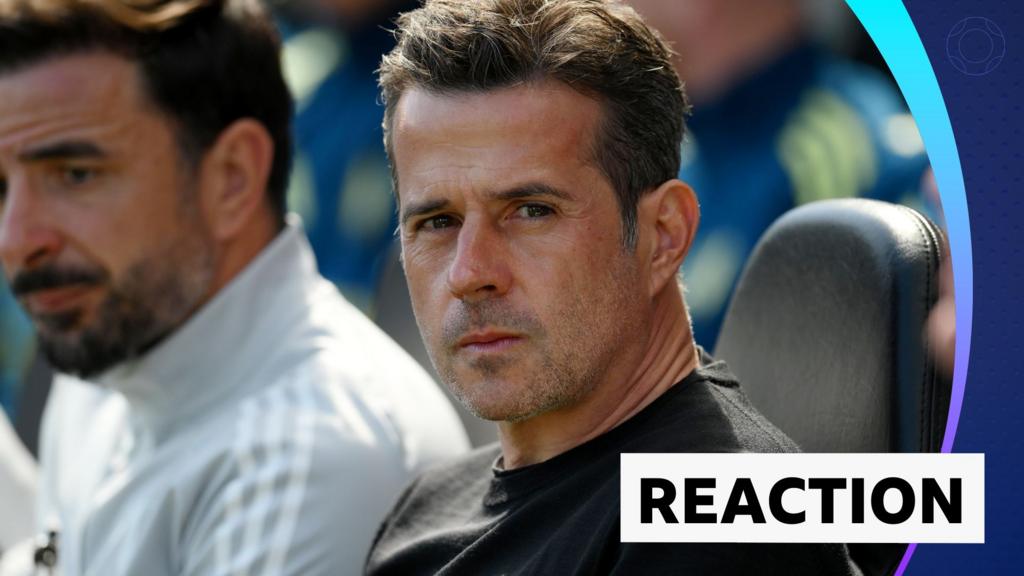
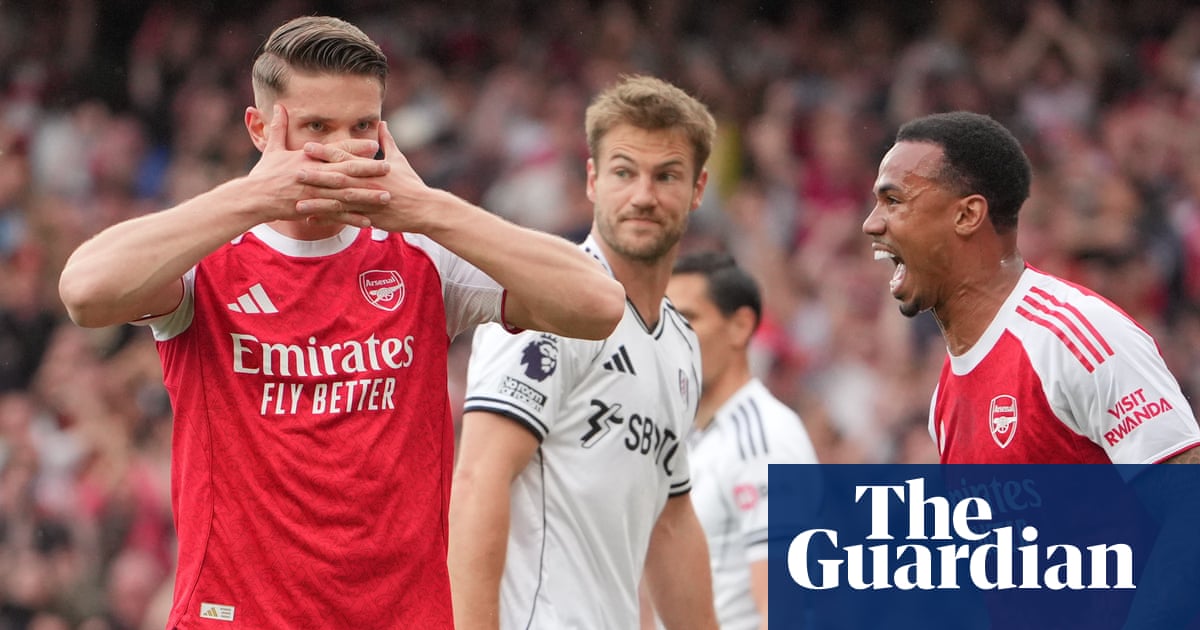
The sight of Timothy Castagne wheeling away in celebration only to have his 43rd-minute header chalked off by a VAR review was a fitting microcosm of Fulham's afternoon at Craven Cottage. While the disallowed goal kept the scoreline precarious, the real damage for Marco Silva isn't on the scoreboard but on the treatment table. Alex Iwobi is the latest high-profile casualty in a squad that is beginning to look physically spent as the 2025/26 Premier League season enters its final month.
Iwobi’s absence, confirmed this morning as a Grade 2 hamstring tear, is a massive blow for a side that relies on his ball progression and tactical versatility. The Nigerian international sustained the injury during the midweek clash against Brentford, pulling up sharply after a 40-yard recovery sprint. Early assessments from the medical staff at Motspur Park suggest a recovery timeline of 4 to 6 weeks, effectively ending his domestic season and casting a shadow over his preparations for the 2026 World Cup kickoff in 47 days.
The Right-Back Conundrum
While Castagne was fit enough to start today, his inclusion is only necessary because of the ongoing saga surrounding Kenny Tete’s ankle. Tete has been sidelined for nearly three weeks after a training ground collision, and despite reports of him returning to light grass work, he was nowhere to be seen in the matchday squad against Aston Villa. The lack of a secondary specialist at right-back has forced Silva into a tactical corner, leaving Castagne to play every minute of a grueling April schedule.
This isn't the first time Tete's availability has hamstrung the Cottagers. Historical data from the last two campaigns shows a clear pattern of recurring lateral ligament issues for the Dutchman, raising questions about the club's long-term reliance on a player whose medical profile is becoming increasingly brittle. When Tete is out, Fulham loses a specific kind of defensive solidity that Castagne, for all his energy, cannot always replicate against elite wingers.
"We are reaching a point where the load is simply unsustainable for the players who remain," noted one source close to the Fulham coaching staff. "Alex [Iwobi] has played more minutes this season than any other outfield player in the squad. This wasn't a freak accident; it was an inevitable consequence of over-extension."
Villa’s UCL Rotation Headache
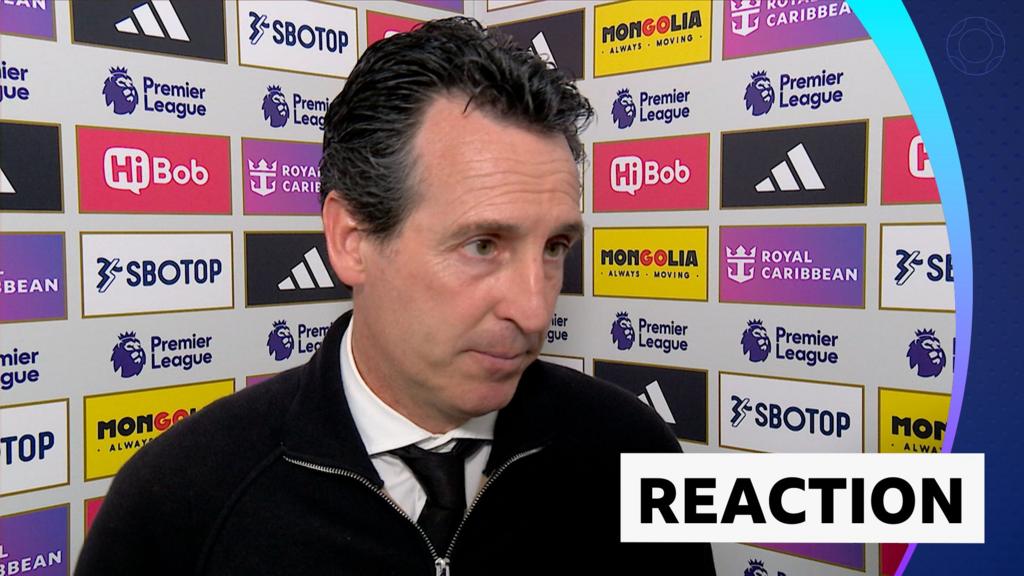
Across the technical area, Unai Emery has his own medical puzzles to solve, though his perspective is framed by the looming shadow of a Champions League semi-final on April 28. The absence of Alysson, the versatile January signing from the Brazilian top flight, was the major talking point when the team sheets were released. Officially listed with a "fitness issue," the reality is that the 21-year-old is being managed for a persistent hip flexor strain that has limited his training participation since the quarter-final second leg.
The strategic decision to bench Tammy Abraham today also suggests Emery is prioritizing the continental stage over the hunt for a higher domestic finish. Abraham suffered a minor shoulder scare during Tuesday’s session, and while he is medically cleared to play, the Villa staff are loath to risk a flare-up that would rule him out of the trip to Germany in three days. This conservative approach is a direct response to the Boubacar Kamara situation, whose long-term knee injury has already deprived Villa of their defensive heartbeat for the bulk of the season.
The Psychological Toll of 2026
We are currently 47 days away from the World Cup, and that date is hovering like a guillotine over every medical decision made in the Premier League. For players like Iwobi and Villa’s Alysson, the standard recovery protocols are being weighed against the once-in-a-lifetime opportunity of a 48-team tournament in North America. There is a palpable tension between club medical departments and national team physios, with the latter often pushing for more aggressive rehabilitation timelines.
Fulham’s failure to adequately rotate their midfield during the spring has now left them exposed. It is a critical failing of Marco Silva’s management this term; his refusal to trust his fringe players in lower-stakes fixtures has directly led to the muscle fatigue that claimed Iwobi. By playing his strongest XI into the ground during the early rounds of the FA Cup, Silva has effectively sabotaged his own chances of a late-season surge into the European places.
Historical Context and Industry Impact
The current injury spike isn't an isolated incident but a trend that has plagued the league since the introduction of the expanded Champions League format. Teams with Villa's profile—emerging giants with a thin second string—are finding it impossible to compete on two fronts without sacrificing player welfare. We saw a similar collapse at Newcastle two seasons ago, and Villa is currently walking that same tightrope. The loss of Kamara earlier in the year was the first domino; the current fitness concerns for Alysson and Abraham are the predictable follow-up.
Strategically, Fulham must now pivot. Without Iwobi’s ability to drift inside and create overloads, the attacking burden falls squarely on Andreas Pereira. If Pereira picks up a knock in the next fortnight, Fulham’s creative output will drop to near-zero levels. For Villa, the management of their injury list over the next 72 hours will define their entire season. A Champions League final is within reach, but only if they can keep their remaining core from falling apart before the 90th minute on Tuesday night.
Final Assessment
The expected return for Iwobi remains late May at the earliest, making him a major doubt for Nigeria’s opening group games. Kenny Tete’s return is more imminent, likely in time for next weekend’s fixture, but his match fitness will be a concern. As for Villa, the "fitness issues" surrounding Alysson are expected to clear up by Tuesday, though he will likely start on the bench. The broader industry takeaway is clear: the current footballing calendar is eating its own best assets, and we are only seeing the beginning of the attrition before the World Cup circus begins in June.