The medical stakes for the Etihad showdown
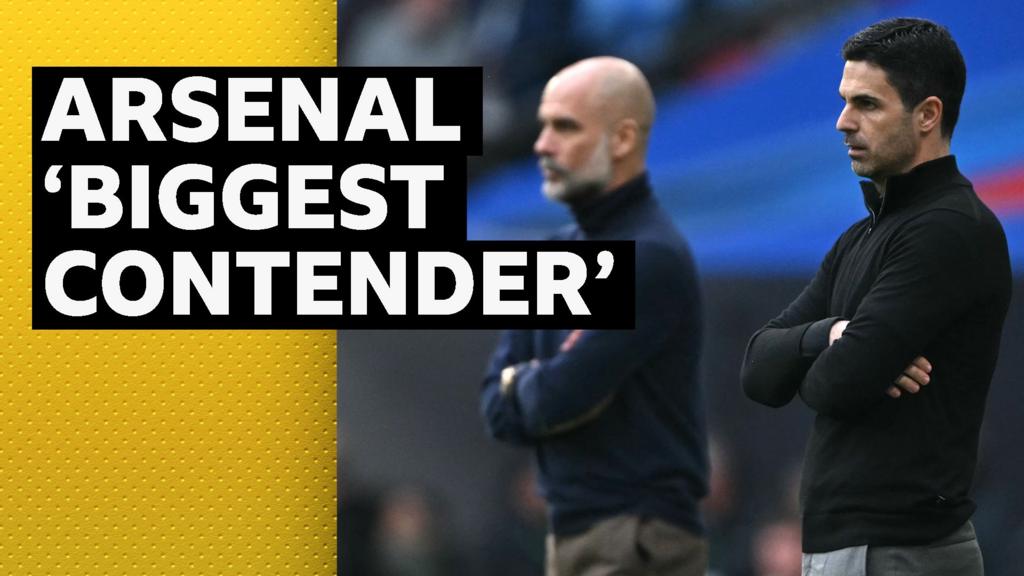
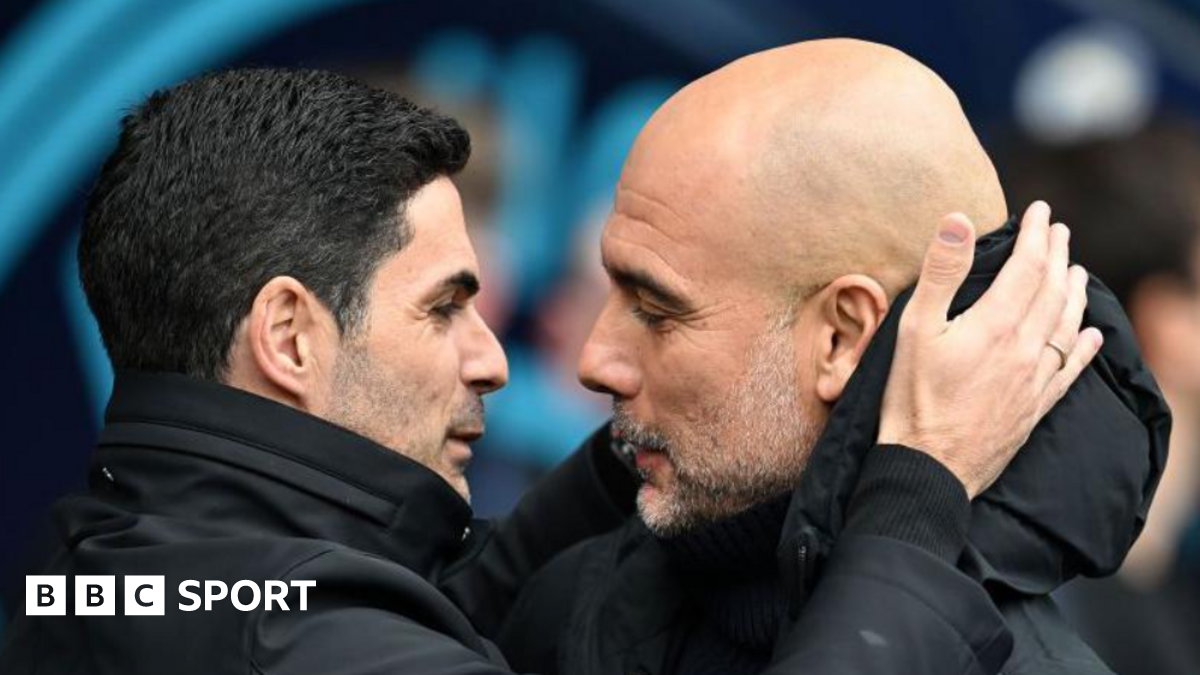
As the Premier League calendar hits its most volatile stretch, the fitness reports heading into the Manchester City versus Arsenal clash on April 19, 2026, define the margin for error. Professional squads are running on fumes, and the medical rooms at the Etihad and the Emirates are the underreported battlegrounds of this title race. With both clubs pushing for supremacy, the availability of key personnel outweighs any tactical adjustment from Pep Guardiola or Mikel Arteta.
Arsenal are navigating a period of tactical stagnation where their attacking efficiency has noticeably plummeted. Sources indicate that internal fatigue and minor knocks are hampering their traditional high-press intensity. Arteta has remained stubborn with his personnel choices despite the drop in output, leading to concerns that a lack of rotation throughout April might now be costing the squad its sharpness at the worst possible moment.
The medical reality for challengers
Elsewhere, the picture is equally taxing. While Manchester City and Arsenal dominate the headlines, clubs like Aston Villa are managing significant physical loads during their own pursuit of European slots. Ollie Watkins has been the focal point of Villa's attack, appearing in high-intensity matchups including the recent 2-2 exchange against Sunderland. The reliance on singular stars to carry the offensive burden remains a strategic weakness, particularly as the season reaches its final five weeks.
Meanwhile, in the North West, Everton’s medical department is currently processing the aftershocks of a frantic Merseyside derby. Goalkeeper Giorgi Mamardashvili proved essential during heavy pressure in that fixture, forced into a series of reflex saves that highlighted why he has remained a consistent selection. However, the physical toll on Everton's defensive line during their recent meetings has left thin depth on the bench for their upcoming mid-table fixtures.
The broader tactical impact
The trend across the league shows a shift in how medical staff manage player durability. Ipswich Town’s current model involves a granular data approach to player fitness, preparing for a potential Premier League leap with an eye on maintaining a slim but efficient squad. Chairman Mark Ashton has been candid, acknowledging that the club is building their roster while already in the middle of a high-speed flight. Their focus on the return of Liam Delap signifies a desperate need to solidify their core as they balance future-proofing with immediate survival.
The scheduling crunch leading into late April is placing an unfair strain on squad rotation. With the City vs Arsenal fixture looming, both managers realize that every missed training session carries weight. The reliance on specific tactical systems by coaches like Guardiola means that even missing one pivot or wide creator drastically alters the team's efficiency in transition.
Criticism of squad management
A legitimate concern remains the failure of top-tier clubs to utilize their bench depth. At Arsenal, the lack of rotation during stagnant runs hasn't just hurt the league table; it has limited the exposure of younger squad members. Arteta’s hesitation to deviate from a core group has arguably left them vulnerable to the physical fatigue that defines this stage of the campaign, making them predictable for opponents who have spent months tracking their stylistic habits.
The historical precedent for these late-season injury rushes is bleak. Clubs that enter their final matches without a refreshed XI usually see their performance curves flatten. As the league pushes toward the final matchdays, the availability of players like Watkins and the defensive stability of City’s backline remain the only predictors that hold any water. The teams that survive the next 20 days without new long-term absences will be the ones holding the trophies in May.