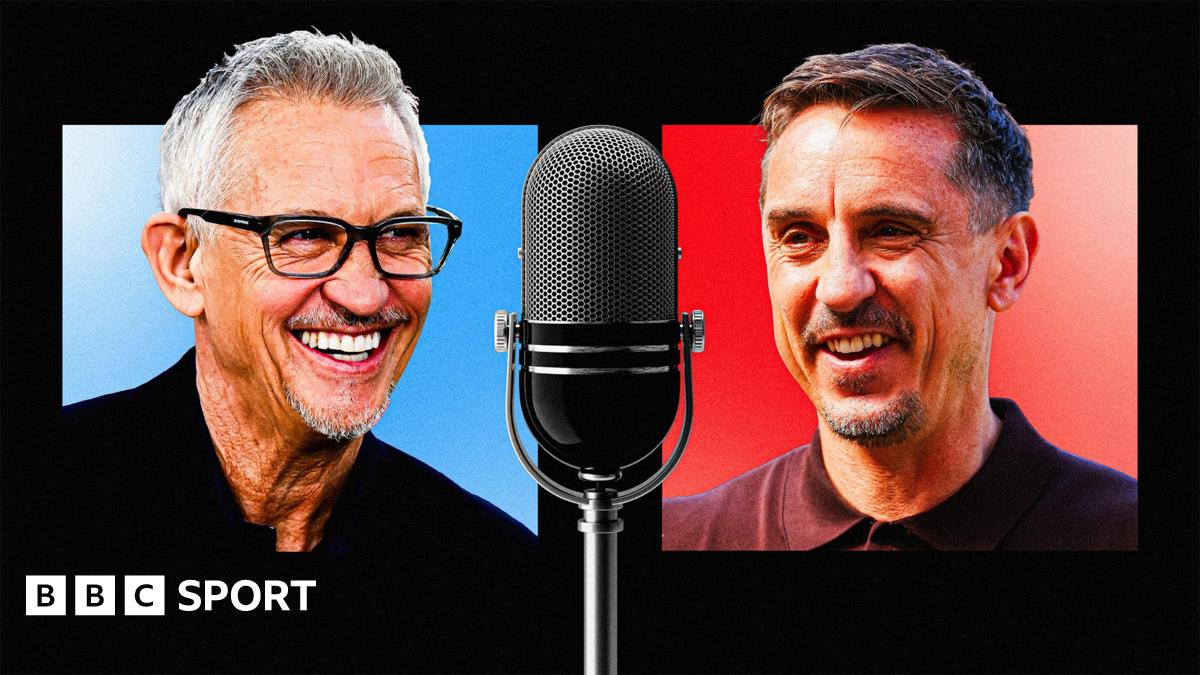
The shift in football media power
Today is April 3, 2026. While the pitch analysis focuses on the upcoming Champions League quarter-finals, a different kind of match is unfolding off-screen. Gary Neville has successfully pivoted from the Sky Sports commentary box to a multi-million pound podcast empire.
Reports indicate that the former Manchester United captain is pulling in seven-figure sums, effectively positioning himself to challenge established media giants like Gary Lineker. It is a shrewd maneuver that shifts the focus from purely match-day tactical breakdowns to a personality-driven entertainment model.
The economics of the stick to football model
The success of the podcast ecosystem—specifically The Overlap—rests on a simple formula. By gathering peers rather than professional presenters, the show captures the authenticity that traditional broadcast media often misses. According to recent financial disclosures, this strategy is paying dividends far beyond a standard broadcast salary.
Neville has essentially industrialized the locker room banter that fans pay to watch. However, one must wonder if the quality of football analysis suffers in the process. When the primary goal is high-engagement YouTube clips, the deep-dive tactical breakdowns that Neville was once known for often take a backseat to click-friendly debates.
Is the influence actually deserved?
The numbers do not lie. Neville is clearly outperforming his peers in audience retention, but this success creates a feedback loop. When a pundit becomes a boss, their on-air opinions gain an artificial weight that is harder to challenge.
Unlike his playing days, where his 400 appearances for Manchester United were the only stat that mattered, his current value is measured in subscription growth and sponsorship deals. It is a brilliant business move, regardless of your personal stance on his managerial record or his commentary style.
What this means for the viewer
We are witnessing the decline of the traditional, stoic studio analyst. The format moving forward will prioritize connection and volume. If you prefer your analysis without the bravado, this trend is a net negative for the sport.
My prediction? Neville will continue to build this media network until it becomes the primary source of football discourse in the UK. By the time the World Cup kicks off on June 11, 2026, he will likely have secured media dominance, leaving traditional broadcasters scrambling to match his reach. It is a calculated, cold, and effective takeover of the space.