The Great Decoupling of 2026
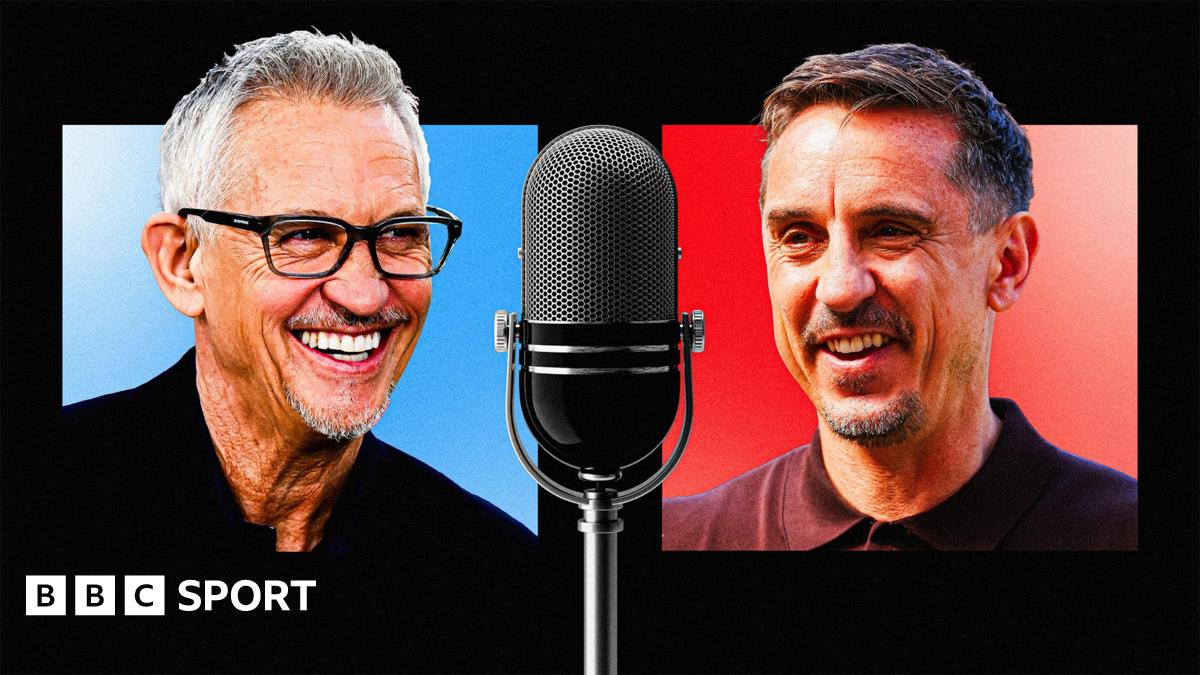
The transition is complete. As of this morning, April 24, 2026, the old guard of British sports media hasn't just been challenged—it has been dismantled. We are no longer talking about Gary Lineker and Gary Neville as mere pundits. They are CEOs of competing digital states, and the 2026 World Cup is their direct battlefield.
Lineker’s departure from the BBC last May was the catalyst. That messy exit, sparked by a single rat emoji and a subsequent fallout that insiders called weak and ineffectual, ended a 26-year tenure on Match of the Day. It was the moment the legacy model died. Now, he’s heading to Netflix with a multi-million-pound daily version of The Rest Is Football.
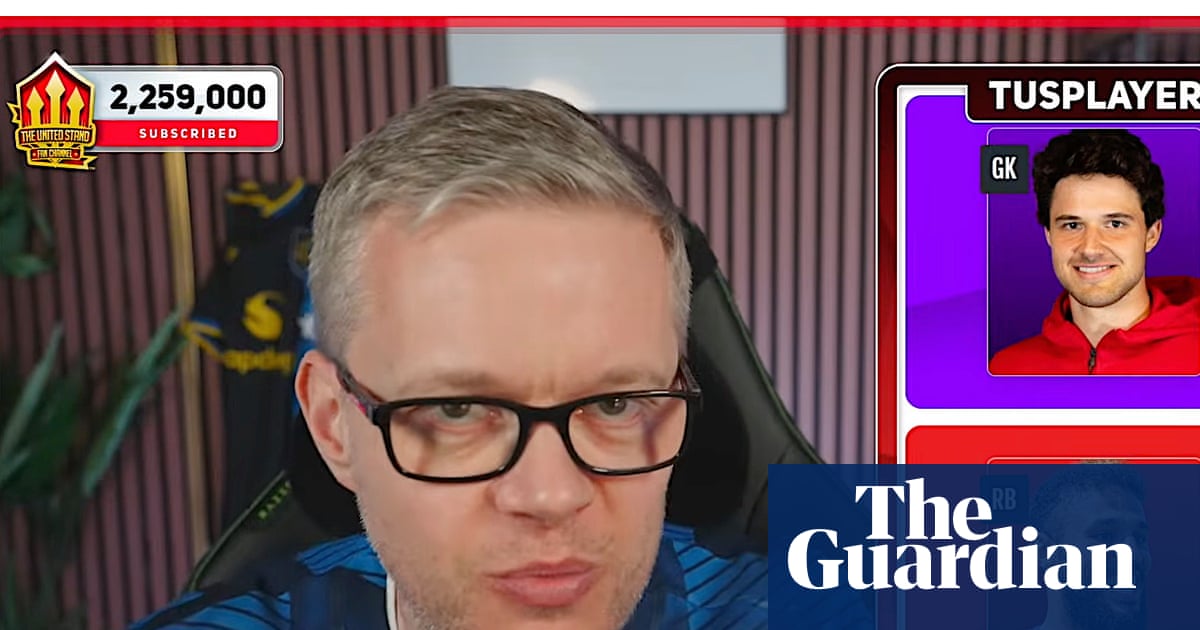
While Lineker went for prestige and global reach, Neville went for the throat of the domestic market. His recent move to bring Global on board as a majority stakeholder in The Overlap was the opening salvo. But it’s the acquisition of Mark Goldbridge’s empire that reveals the true tactical shape of Neville’s 2026 campaign.
The Goldbridge Maneuver
On April 14, Neville finalized the seven-figure acquisition of The United Stand and That’s Football. It was a cold, calculated expansion. By absorbing Goldbridge, Neville added 3.7 million subscribers to his network in a single afternoon. He didn't just buy a channel; he bought the noise.
This is Neville’s 4-3-3 formation: high-frequency, high-engagement, and relentless. The launch of Daily United and the rebranding of That’s Football as a 24-hour news cycle is designed to occupy every spare second of a fan's attention. He is betting that volume wins. If you aren't talking about his latest Stick to Football segment, you're watching his acquisition's latest rant.
There is a risk here that Neville seems to be ignoring. By merging the polished, "pro-player" vibe of The Overlap with the raw, often reactionary fan-cam energy of Goldbridge, he risks diluting the brand. You can't be the voice of the elite dressing room and the voice of the furious suburban teenager simultaneously without someone noticing the hypocrisy.
The Netflix Counter-Attack
Lineker is playing a different game entirely. While Neville builds a domestic fortress, Lineker is exporting himself. The Netflix deal for the World Cup is a masterstroke of positioning. It bypasses the constraints of national broadcasting and places Goalhanger Podcasts at the center of the global conversation.
As Dan Roan reported for the BBC, the rivalry between these two has shifted from who gets the best seat in the studio to who owns the platform itself. Lineker’s The Rest Is... franchise has become the gold standard for high-concept sports audio. It’s intelligent, curated, and, most importantly, portable.
The critical flaw in Lineker’s model is its reliance on the man himself. Without the BBC’s institutional scaffolding, the Goalhanger brand is vulnerable to the same personal brand volatility that caused his exit. One more ill-judged social media post and the Netflix deal becomes a liability. He is walking a tightrope without a net.
The Noise vs. The Signal
Neville’s Buzz 16 production house recently reported a pre-tax profit of £743,306. It’s a healthy figure, but it’s small change compared to the valuation of the Global deal. Neville is chasing scale. He wants to be the Murdoch of the YouTube era, controlling the narrative from the pitch to the pub.
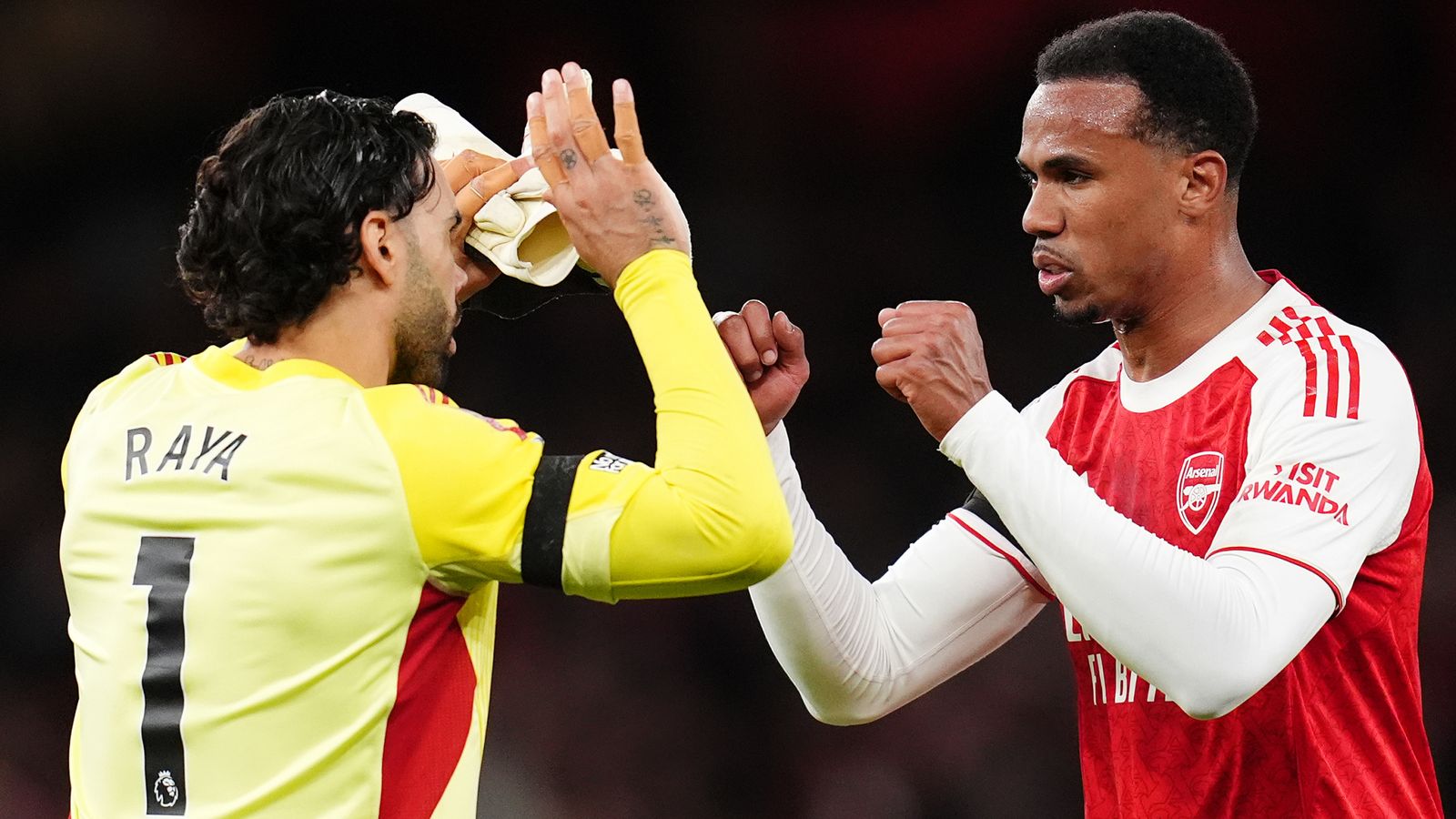
We saw this strategy in action last week. Neville’s critique of Declan Rice’s reaction to Arsenal’s defeat against Manchester City went viral not because it was insightful, but because it was loud. He called Rice's "near-tears" a sign of a finished race. It was a classic "noise" play—designed for the algorithm, not the analyst's notebook.
Lineker, meanwhile, is betting on the signal. His podcast model assumes that fans want to go deeper, not louder. During the World Cup, which kicks off in just 48 days, we will see if the world wants Neville’s 24/7 outrage cycle or Lineker’s prestige analysis. My money is on the latter for the casuals, but Neville has already won the hardcore.
The 2026 Verdict
The winner of the 2026 media war won't be decided by viewing figures alone. It will be decided by cultural relevance. Neville has the numbers—reaching a combined total of 6 million subscribers—but he is dangerously close to becoming a caricature. His constant "reuniting with fans" and viral clips are starting to feel like a desperate grab for the youth vote.
Lineker has the higher ground, both literally and figuratively. By moving to Netflix, he has skipped the line to become the first truly independent global football star. He doesn't need to shout to be heard because he’s already in everyone's pocket. The BBC's decision to let him go over a rat emoji will go down as the most expensive mistake in the history of British broadcasting.
The prediction is clear. Neville will dominate the domestic headlines this summer with his Goldbridge-powered noise machine. But Gary Lineker will emerge from the 2026 World Cup as the most powerful individual in sports media. He has successfully decoupled himself from the broadcaster, and in doing so, he has made the broadcaster irrelevant.