Dallas delivers the perfect script while Germany goes full bully mode
If you were expecting a quiet Sunday in international football, you clearly haven't been paying attention to the 2026 World Cup bracket. We just watched a chaotic double-header that reminds everyone why we endure the qualification slogs and corporate suits.
First, let's talk about the absolute carnage in the Germany versus Curaçao match. Watching a team drop seven goals on an opponent is either a demonstration of elite tactical precision or a complete indictment of the current competitive gap. Germany looked like a professional squad playing against a group of guys they found at a bus stop fifteen minutes before kickoff.
Some fans on the forums are calling it a clinical display of ruthless efficiency. Others are rightfully asking why we even pretend these group stage matchups have any mystery left when the gap between a powerhouse and a small nation is essentially a Grand Canyon of talent. Seeing seven goals against a single opponent is usually fun for the highlights reel, but it drags on the legitimacy of the tournament when the defense looks like a screen door in a hurricane.
The Dallas drama: Japan and the Netherlands trading blows
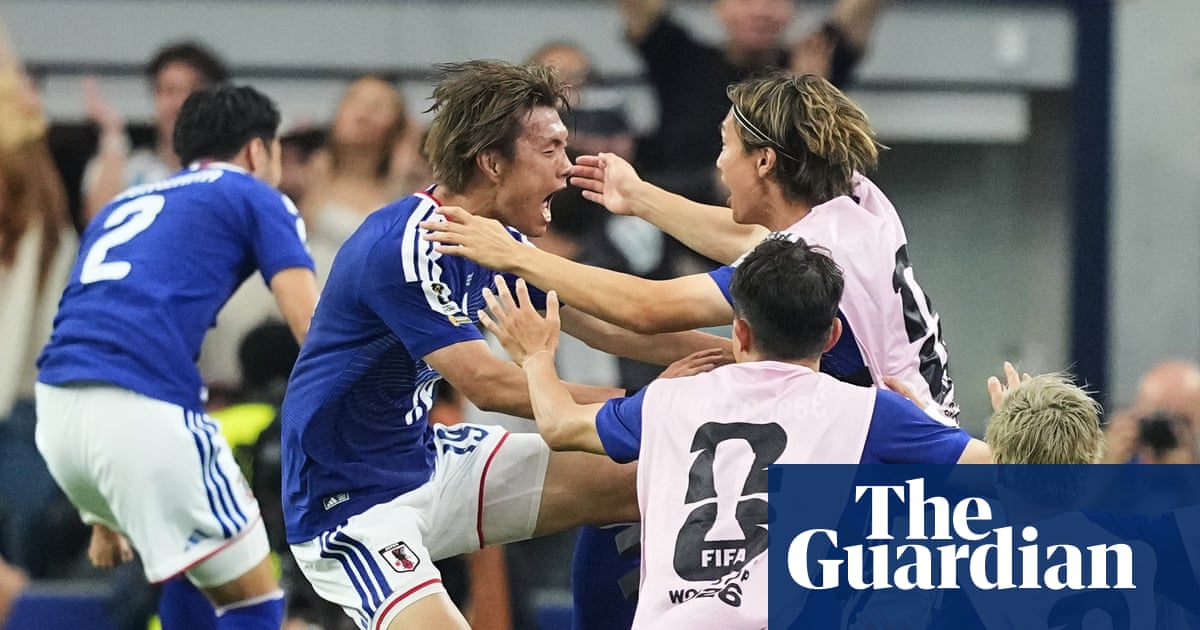
While Germany was busy padding their goal difference, Dallas served up a genuine thriller. The latest episode of the World Cup Daily podcast broke down exactly how Japan managed to salvage their situation in the final moments of the game. It was the kind of match that makes you spill your drink in the 88th minute.
The Dutch looked comfortable, maybe even arrogant, until Japan finally cracked the code. The tactical transition from Japan in the second half was essentially a masterclass in exploiting space behind high-pressing fullbacks. It wasn't just a late goal; it was a desperate, beautiful scramble that forced the Netherlands to re-evaluate their entire defensive posture before the knockout rounds.
The fan discourse is predictably messy
The online reaction to these two games has been a total dumpster fire, which is exactly why I love this sport. You have the purists arguing that Japan's late surge is proof that heart overcomes technical scouting reports. Then you have the spreadsheets-and-metrics crowd claiming that the Dutch simply regressed to their mean performance level following a statistically unsustainable first half.
One user on the match thread noted, "Watching Japan refuse to fold is why we stay up, but watching Germany turn the tournament into a training session is why I hate the expanded group stages." That is the sentiment capturing the room right now. We want the intensity of the Dallas game every single time we click on a broadcast, but the format keeps throwing these lopsided slaughterhouse fixtures in our faces.
My take? The Germany win is fool's gold. Scoring seven against a side that doesn't have the defensive structure to handle a high press is not a test of character. It does nothing to prepare them for a team that actually knows how to close passing lanes in the final third. When they eventually run into a team that can transition with the speed Japan showed in Dallas, they are going to panic.
The Japan versus Netherlands result is far more telling for the rest of the tournament. The Netherlands showed they have a soft underbelly when they are forced to deal with sustained pressure, while Japan proved they have the tactical flexibility to drag a superior opponent into the mud. If I am a betting man, I am putting my chips on the team that can win ugly in the 90th minute rather than the team that needs a blowout win to feel good about themselves.
The difference between the two games boils down to preparation versus raw, chaotic energy. Germany prepared to pad their stats, while Japan prepared to play until the referee blew the final whistle. That is the mentality that wins trophies when the stakes actually rise and the pressure mounts. It is not about the 7-0 victory in the group stage; it is about who has the composure to find the winner when the legs are heavy and the crowd is screaming.
We are currently at the stage where the wheat is separating from the chaff. If you look at the recent audio breakdowns, the consensus is that Japan's result is a wake-up call for the European heavyweights. Germany might have the goals, but Japan just showed the rest of the bottom seeds how to survive in a tournament designed to crush them.
Read Next
- Virgil van Dijk and the FIFA VAR circus is already off to a flying start
- Germany just got embarrassed by a country the size of a gas station
- Tactical naivety is costing Tunisia their tournament life
- Germany showed their teeth but Curacao earned their place
- 🇩🇪 Germany World Cup 2026 — Die Mannschaft Hub
- 🇯🇵 Japan World Cup 2026 — Samurai Blue Hub