The shadow of the opener
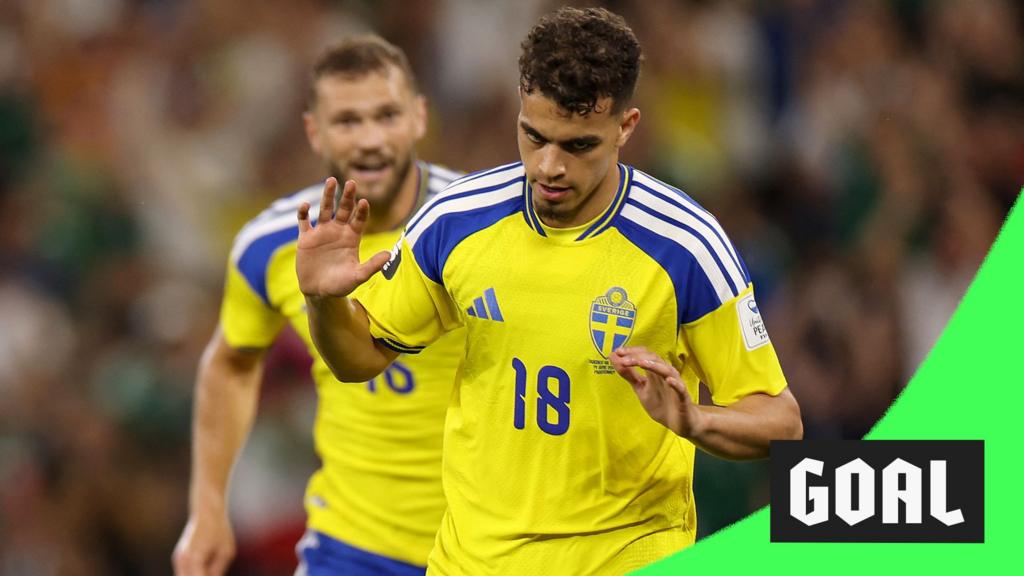
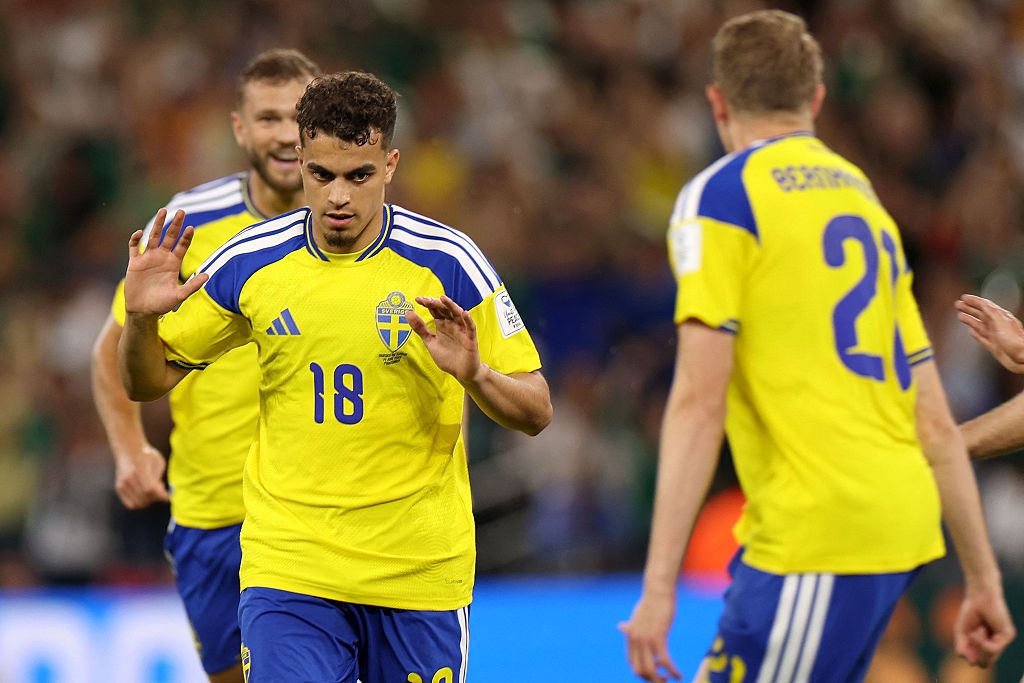
The aftermath of Sweden’s victory over Tunisia hasn't been defined by the result, but by the quiet reaction of Yasin Ayari. Scoring a long-range strike in the 32nd minute is usually the peak of a player's career, yet the Brighton midfielder stood motionless, a deliberate refusal to feed the frenzy of the Swedish support. It was a measured choice, acknowledging the heritage of his father in a clash that felt heavily weighted by geography and bloodlines.
Tactically, the goal masked a deeper issue in the Swedish setup. They leaned heavily on Ayari’s individual brilliance to break the deadlock, yet the central channel frequently looked congested, hindering the transition play required to bypass a stubborn Tunisian block. The decision to commit three midfielders forward left the defensive line exposed to direct balls, a weakness that smarter opposition managers will have already noted for their scouting dossiers.
Tunisia’s search for structural integrity
Tunisia’s 2-0 defeat wasn't solely down to a singular moment of magic from a Brighton player. As recent analysis pointed out, their structural collapse in the second half stems from an inability to monitor the half-spaces. When the Swedish wingers tucked inside, the Tunisian full-backs were forced to choose between tracking their runners or holding the defensive width, resulting in the yawning gaps seen in the 64th minute.
For the next group stage fixture, that central tension needs a total reset. Expect the coaching staff to pull the defensive line ten meters tighter, sacrificing the high press to ensure the pivot has enough insurance against longitudinal passes. If they fail to curb the space between the back four and the midfield shield, they remain ripe for exploitation by any team with a disciplined playmaker.
The Ayari conundrum
There is a distinct mental tax involved when a player faces their own heritage on the world stage. BBC Sport coverage of the stunner highlighted that the midfielder could have easily donned the other shirt. This creates a fascinating internal battle for the next match: can he replicate that strike, or did the emotional weight of scoring against his father’s nation drain his focus for the coming weeks?
Sweden’s reliance on his long-range threat is a liability. You cannot design a game plan around the hope of another 30-yard screamer occurring in a 90-minute window. They need to find structural variety. If the opposition closes the lane he likes to operate in, Sweden’s progression currently hits a dead end. Their expected goals tally was remarkably low when excluding that single moment, suggesting their attacking patterns lack the necessary complexity for a deep tournament run.
The tactical forecast
Going into the next round, Sweden must shift from being a reactive, counter-punching side into one that can dismantle a low block through disciplined wide passing. They have the personnel to stretch the pitch, but their current propensity for narrowness invites the exact kind of high-pressure situation that caused them anxiety in the opening half-hour of their previous match.
I predict Sweden will struggle to break down their next opponent, leading to a frustrating 1-1 draw. The opposition will concede a goal to the Swedish press but will identify the lack of defensive transition depth, eventually snatching a late equalizer in the 83rd minute. It is a predictable outcome for a team that relies more on individual flashes than a sustained systemic advantage.