Germany turns a walkover into a statement
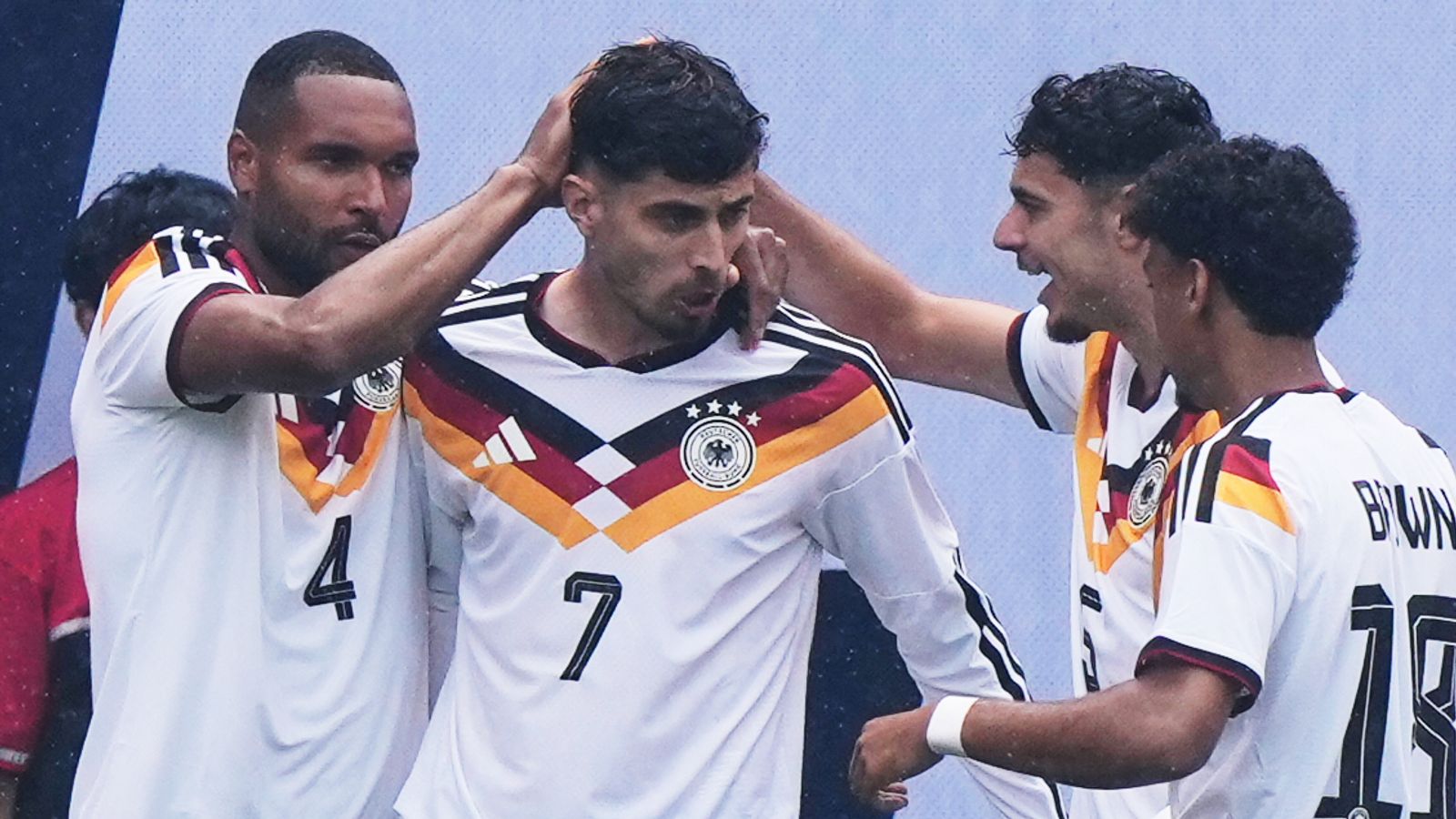
Germany opened their World Cup account with a brutal 7-0 demolition of Curaçao. Any concerns regarding their efficiency in front of goal were silenced as the front line tore through a disjointed defense with clinical precision. While some might dismiss the result as a mismatch, the hunger displayed by the squad suggests a team determined to avoid the slow starts that have plagued their recent tournament appearances.
Hansi Flick’s side did not just take their chances; they manufactured them through relentless high pressing and rapid transitions. The fluidity of the midfield trio ensured that the ball moved faster than the Curaçao legs could track, turning a routine group stage fixture into a masterclass of positional dominance. It was the kind of performance that puts the rest of the favorites on notice.
The Texas stalemate at the Cotton Bowl
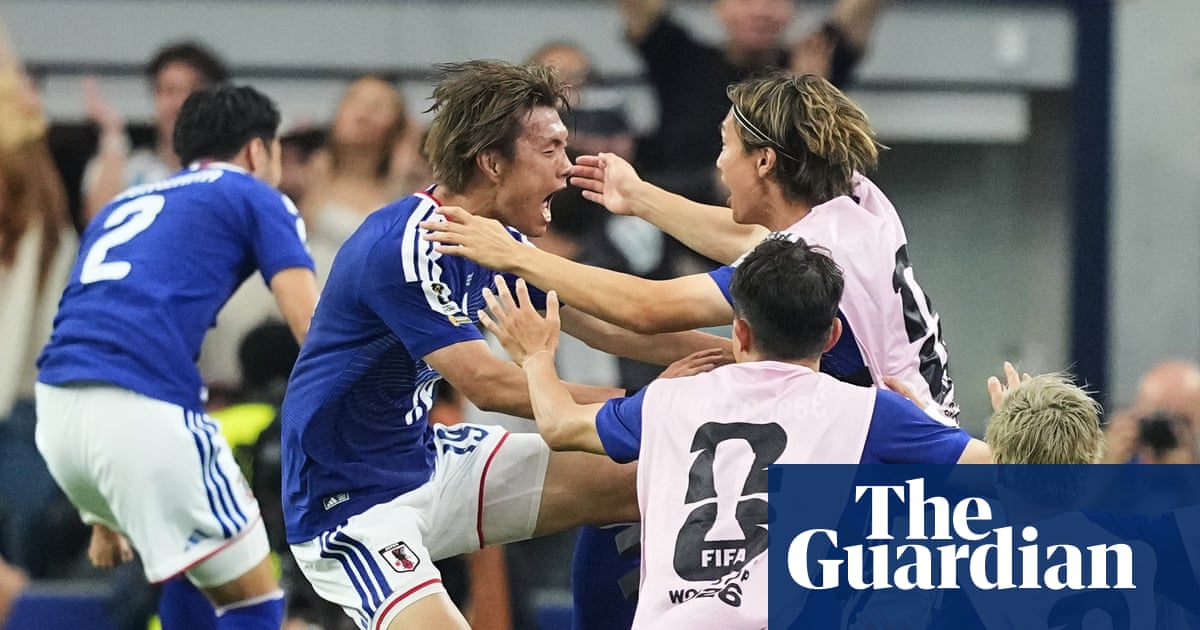
In contrast to the demolition in the other group, the Dallas heat played host to a tactical arm-wrestling match between Japan and the Netherlands. The 2-2 draw was high-octane football, defined by rapid-fire counters and moments of individual brilliance that kept the crowd on edge until the final whistle. As The Guardian reported today, the result leaves both sides with everything to play for heading into the second round of matches.
Japan’s ability to survive heavy possession from the Oranje is a sign of their tactical maturity. Time and again, they absorbed pressure before exploding into space, forcing the Dutch backline into uncomfortable decisions. The equalizer in the dying minutes felt earned rather than lucky; it was a reward for a refusal to sit deep when the game demanded ambition.
Defensive vulnerabilities under the spotlight
Despite the offensive sparks, the Netherlands looked porous when forced to defend in transition. Their reliance on an aggressive high line leaves them exposed to speed, a flaw that sharper teams will absolutely target in the coming weeks. If Ronald Koeman cannot tighten the gaps between his center-backs and the midfield pivot, a deep tournament run looks increasingly unlikely.
Japan, meanwhile, must address their own discipline. While their offensive chaos is entertaining, they conceded two soft goals that stemmed from simple lapses in concentration inside their own third. Against teams as clinical as the German attack displayed earlier today, such mistakes will be punished instantly. Watching them scramble to recover possession against a well-drilled side highlighted a lack of defensive cohesion that could prove fatal in a knockout scenario.
The current tournament structure demands that teams juggle defensive stability with the need for high-scoring, crowd-pleasing football. Germany has clearly chosen the latter, betting that their attack will outweigh their vulnerabilities. The Dutch, however, are now in a precarious middle ground where they are not quite secure enough to win titles, yet far too talented to be written off.
Everything changes when the pressure of the second fixture kicks in. Germany must maintain this momentum against stiffer opposition, while the Netherlands finds themselves playing damage control early in the schedule. The race for advancement in these groups is officially wide open, and the tactical chess match between heavyweights and emerging challengers is only beginning to intensify.
The takeaway from today’s sessions is simple: the gulf in quality between the elite and the tournament outsiders is shrinking, but the ability to finish is still what separates contenders from spectators. Germany showed the finishing touch, while the Netherlands and Japan showed the grit. Every point gained or lost in these opening days is a building block for the final table, and today served as a harsh reminder that there is no margin for error in international play.
Looking ahead, the focus shifts to how these lineups adjust when the legs get heavier and the stakes get higher at the end of the week. Expect Germany to rotate, though keeping their intensity levels high will be the challenge. For the Dutch, the pressure to deliver a statement victory becomes the primary narrative as they look to correct their defensive errors. The tournament is just finding its rhythm, and for now, the momentum belongs to the team that isn't afraid to overwhelm their opponents.
Read Next
- Germany are padding stats while Dallas just saw a classic
- Virgil van Dijk and the FIFA VAR circus is already off to a flying start
- Germany just got embarrassed by a country the size of a gas station
- Tactical naivety is costing Tunisia their tournament life
- 🏆 World Cup 2026 — Full Coverage Hub
- 🇩🇪 Germany World Cup 2026 — Die Mannschaft Hub
- 🇯🇵 Japan World Cup 2026 — Samurai Blue Hub