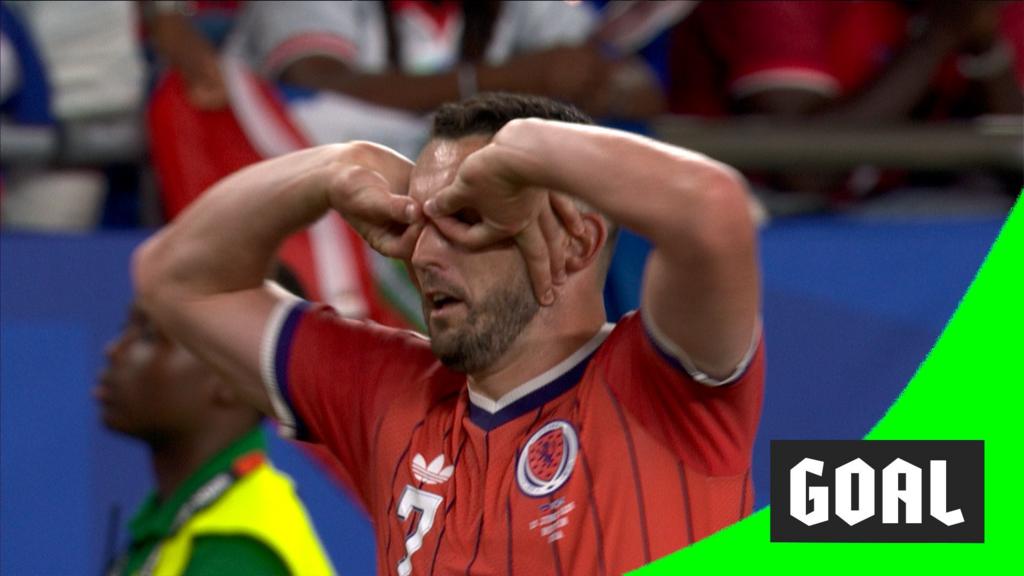
Germany show tactical fragility in underwhelming Curacao tie
Tactical stagnation in Gelsenkirchen
Germany walked onto the pitch at the Veltins-Arena with an expected goal dominance that should have rendered this fixture a mere formality. Instead, the 1-1 draw against Curacao exposed a structural rigidity that has plagued the side since the Nations League restart. Joachim Low’s insistence on a high defensive line remains a liability against disciplined counter-attacking units.
The German midfield pivot, typically the engine of their possession-based game, functioned as a bottleneck rather than a distribution hub. Possession statistics favored the home side at 72 percent, yet the horizontal nature of these exchanges lacked penetration. Most passes were intercepted within 30 yards of the Curacao goal, nullifying the press before it could even transition.
The structural failure of the high line
Curacao's equalizing goal in the 74th minute originated from a textbook exploitation of space behind the German full-backs. As Germany pushed both wide players into the final third, the recovery pace of the central defenders proved insufficient. Tracking the deep ball from midfield, the Curacao forward exploited the gap created by an over-committed defensive unit.
The lack of a screen in front of the back four meant that every turnover turned into a high-danger transition. While the possession metrics looked dominant, the underlying shot map revealed an alarming trend: Germany produced 14 attempts, yet 11 were low-probability efforts from outside the penalty box. This points to a deeper issue of movement within the half-spaces.
The defensive transition remains the area where this squad is most vulnerable when the initial press is bypassed.
The coaching staff must address the lack of verticality in the final third. Too often, the play stalled at the edge of the area, allowing the Curacao defenders to reset into a 5-3-2 low block. This forced the German attackers into a series of predictable crosses rather than drawing the opposition out of their defensive shell.
A pattern of inefficiency
We saw similar issues during the recent fixture against Curacao which served as a grim indicator of current form. The passing completion rate of 88 percent sounds impressive on paper, but when scrutinized, the majority of these were lateral movements between centers-halves. This is a sterile form of control that provides comfort to the opponent rather than pressure.
The reliance on individual brilliance to break deadlocks is not a sustainable long-term strategy for international tournaments. When the creative pivots are marked out of the game, the lack of a secondary tactical outlet becomes apparent. If this continues, the upcoming fixtures will offer little more than a frustrating repetition of today's mistakes.
The substitution patterns in the second half also lacked conviction. Bringing on fresh legs only in the 78th minute denied the team the necessary surge to break down the resilient, low-block oriented opposition. Tactical adjustments must happen earlier if the coaching staff intends to mitigate the drop-off in energy observed during the final 15 minutes of play.
Read Next
- Scotland’s historic win exposes England's tactical fragility
- Brazil's World Cup opener against Morocco is a tactical minefield
- Switzerland’s clinical efficiency outweighs Qatar’s defensive structural gaps
- Germany just got embarrassed by a country the size of a gas station
- 🇩🇪 Germany World Cup 2026 — Die Mannschaft Hub
adidas Unisex-Adult FIFA World Cup 2026 Competition Soccer Ball
Get ahead of the hype with the official look of the 2026 tournament.
Frequently Asked Questions
Why did Germany struggle to beat Curacao?
How did Curacao score their equalizing goal?
What is the main concern with Germany's high defensive line?
Why were Germany's possession statistics misleading?
What tactical issue does the team face in the final third?
More Coverage

Germany just got embarrassed by a country the size of a gas station
an hour agoGermany’s lopsided win against Curacao exposes an tactical identity crisis
2 hours ago
Jurgen Klopp is already setting the football world on fire from the broadcast booth
4 hours ago
Why the math nerds are betting on the Dutch for 2026
5 hours ago
Scotland’s path to the knockout round is a terrifying disaster
9 hours ago
Scotland’s historic win exposes England's tactical fragility
11 hours agoMore Analysis
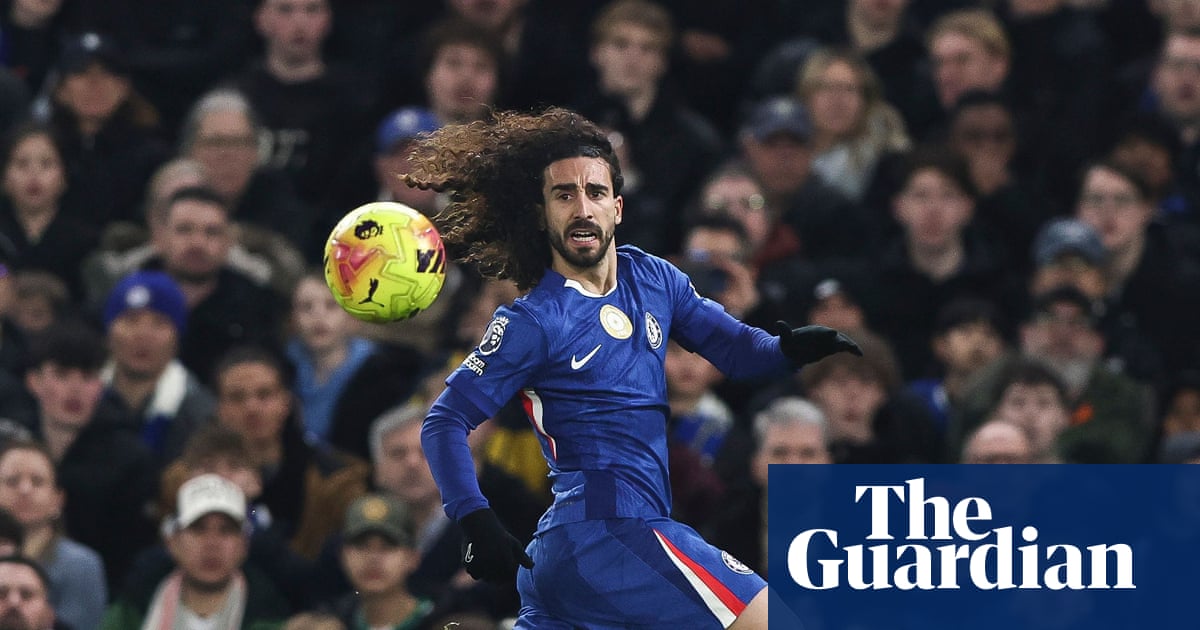
Real Madrid's move for Cucurella is a confused tactical gamble
an hour ago
Real Madrid secure Marc Cucurella as transfer market chaos hits summer peak
an hour ago
Top 10: The Ancelotti Record Ranked
an hour ago
Chelsea fans are losing their minds over Xabi Alonso and the transfer circus
an hour ago
Germany just got embarrassed by a country the size of a gas station
an hour ago