Tactical goodwill and the New Jersey trek
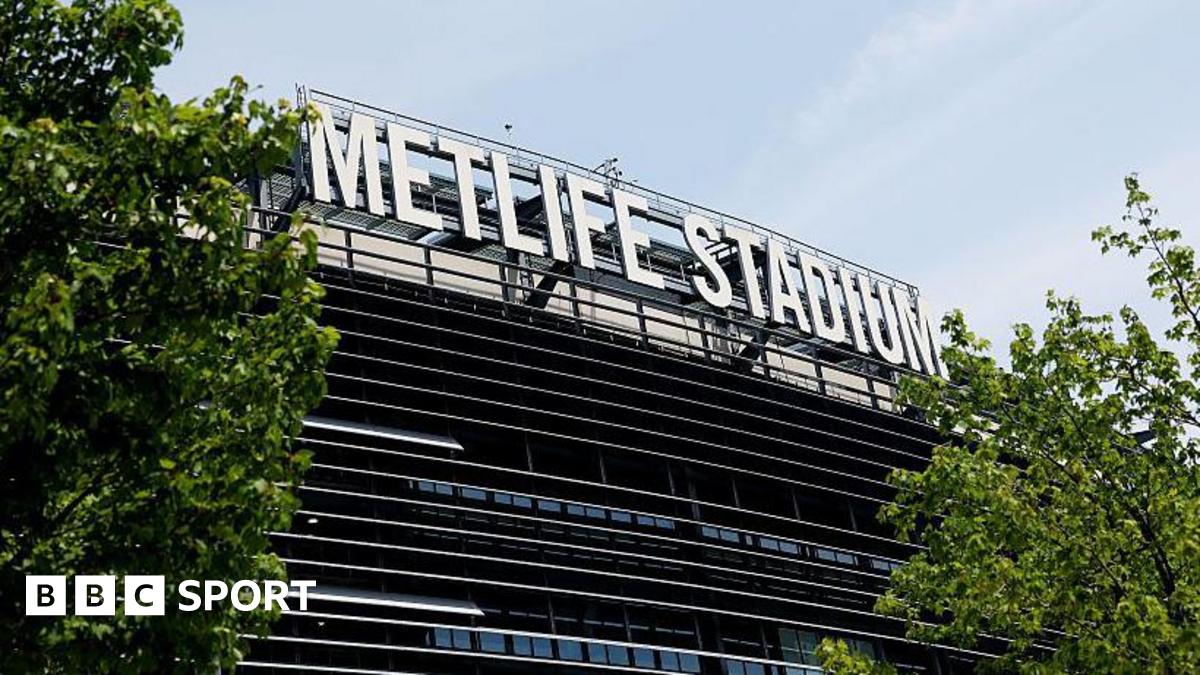
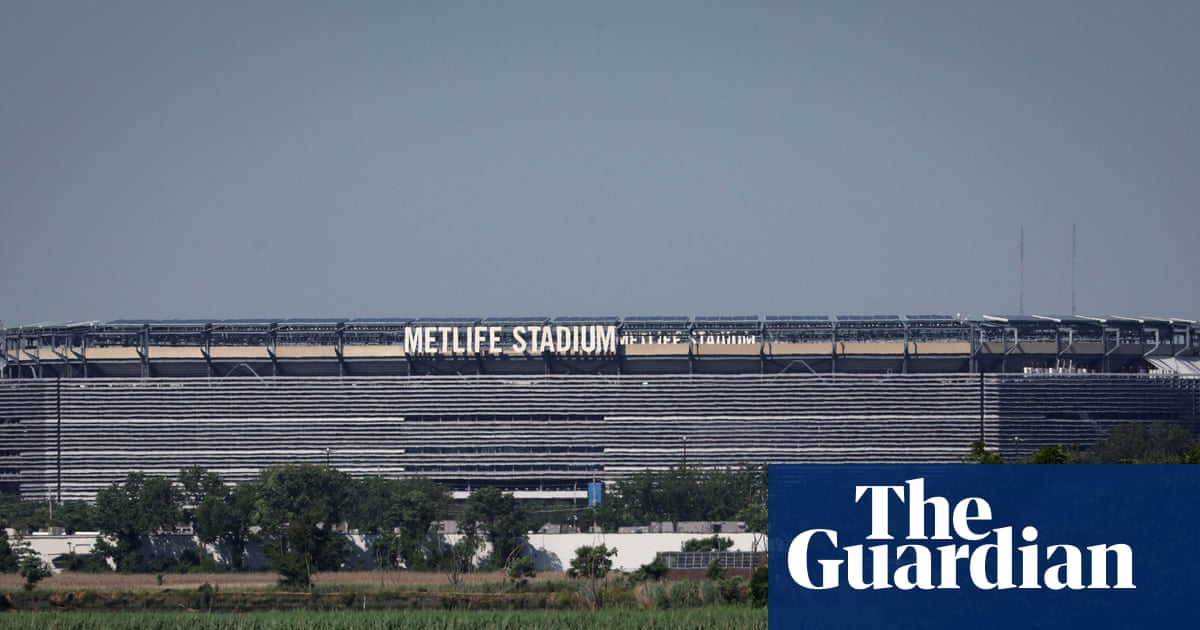
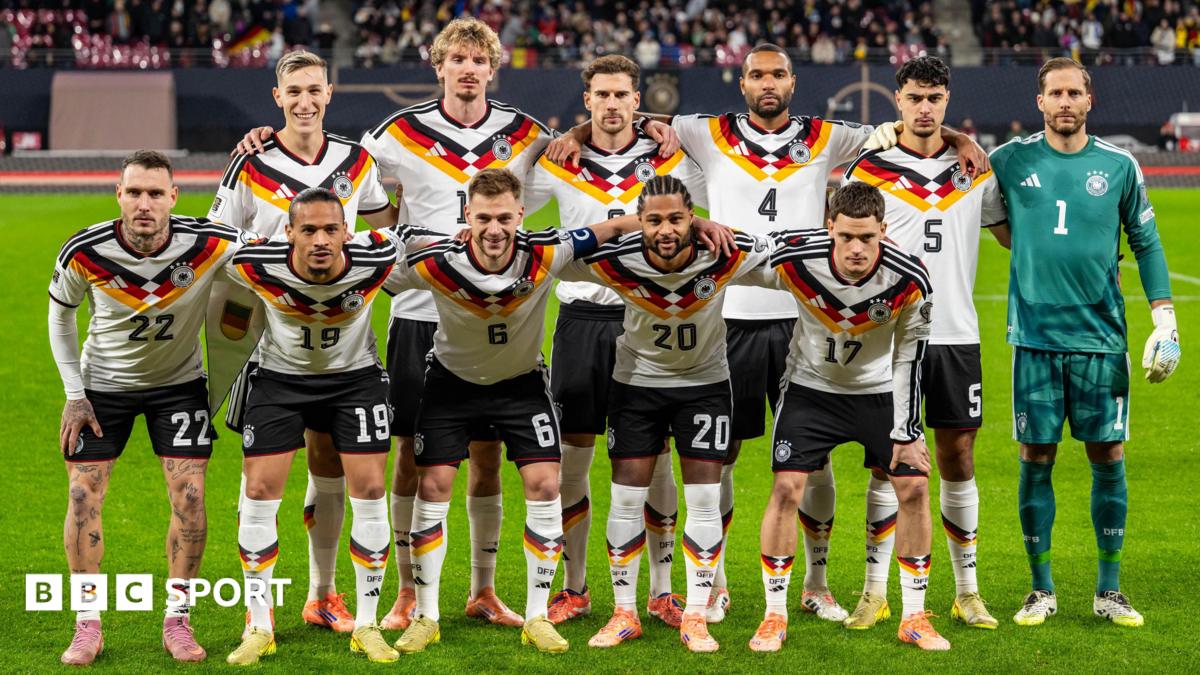
Tier 1 source: The BBC has confirmed a rare logistical intervention from the German national squad regarding the 2026 World Cup. The players have pledged to cover the travel expenses for 600 supporters making the journey to their final group stage fixture in New Jersey.
This move arrives while public complaints regarding inflated transport costs continue to plague the tournament organization. By stepping in to subsidize bus travel, the squad is effectively mitigating the financial strain on the travelling support. It is a direct response to the rising irritation levels currently circulating among the German fanbase.
The human element behind tournament logistics
Professional athletes rarely involve themselves in the granular logistical issues of their traveling supporters. However, this squad dynamic points toward a specific intent to solidify group cohesion ahead of the knockout stages. The decision is being viewed as a protective measure to ensure the atmosphere in New Jersey remains pro-Germany.
Critics might point out that this is merely window dressing for deeper issues regarding tournament pricing structures. Relying on players to act as travel agents highlights the disconnect between organizers and the average fan. Nevertheless, 600 seats being subsidized is a substantive commitment rather than a hollow public relations gesture.
Tactical focus turns to the pitch
While the focus is currently split between logistics and football, Julian Nagelsmann’s side has a significant hurdle to overcome before this travel plan even matters. The squad must navigate the group stage with precision to ensure their New Jersey trip is one of meaningful consequence. Any lapse in concentration against their group opponents could render these logistical efforts moot.
One critical observation remains: the sustainability of such player-funded initiatives. While commendable, it sets a precedent that fans may eventually expect for every away match. If the team suffers a surprise group-stage exit, this gesture will likely be remembered as a footnote to a failed campaign rather than a display of leadership.
Assessing the morale boost
This initiative functions as a psychological bridge. By removing the stress of transit costs for a portion of their loudest supporters, the players are attempting to guarantee a home-court feel in the United States. In knockout tournaments, small margins often define success, and a supportive crowd can be that final meter.
The timeline for this operation is condensed. With the tournament kickoff scheduled for today, June 11, 2026, the logistics team for the players must finalize the transport contracts within the week. As reported by the BBC, the necessity for this funding came directly from feedback regarding the sudden hike in travel prices across the region.
Potential fallout and pressure
The pressure is now squarely on the players to deliver on the grass. Having publicly backed the fans, any performance that falls short of expectations will be amplified by the very supporters they helped reach the stadium. The optics of a loss after such a gesture are unforgiving.
Looking at the broader tournament context, this stands in contrast to the heavily commercialized nature of the 2026 World Cup. Every detail has been scrutinized, yet it took the players themselves to address the basic functional hurdle of fan displacement. It paints a picture of a squad that is conscious of their public image, perhaps to a fault, but undeniably proactive.
Ultimately, the impact of this will be judged by the final group standings. If Germany advances, the bus routes will be forgotten in favor of the headlines about the goals scored. If they fail, this will remain a curiosity in the history books of this specific tournament.
The financial commitment here is undisclosed, though estimates for chartered bus services for 600 people over long distances in the Tri-State area suggest a figure in the tens of thousands. This is a drop in the ocean compared to modern transfer fees but a significant personal investment for a squad, even one at this level of play.
We have seen various attempts at player-fan engagement over the years, though rarely with such tangible financial utility behind it. Most gestures are limited to signing shirts or post-match waves. This leans into the role of the player as a stakeholder in the match-day experience itself.
The probability of this affecting on-field performance is low, but the probability of maintaining high loyalty from the traveling base is near certainty. This is a calculated win for morale, provided the team shows up to play when the whistle blows.
Read Next
- The World Cup Spotlight: Why Jamal Musiala is the one to watch in North America
- Tuchel's England is ready for a methodical World Cup run
- Infantino is losing his grip on the 2026 World Cup before kickoff
- World Cup 2026 chaos begins before the first whistle
- 🏆 World Cup 2026 — Full Coverage Hub
- 🇩🇪 Germany World Cup 2026 — Die Mannschaft Hub