Tactical clarity in the final warm-up
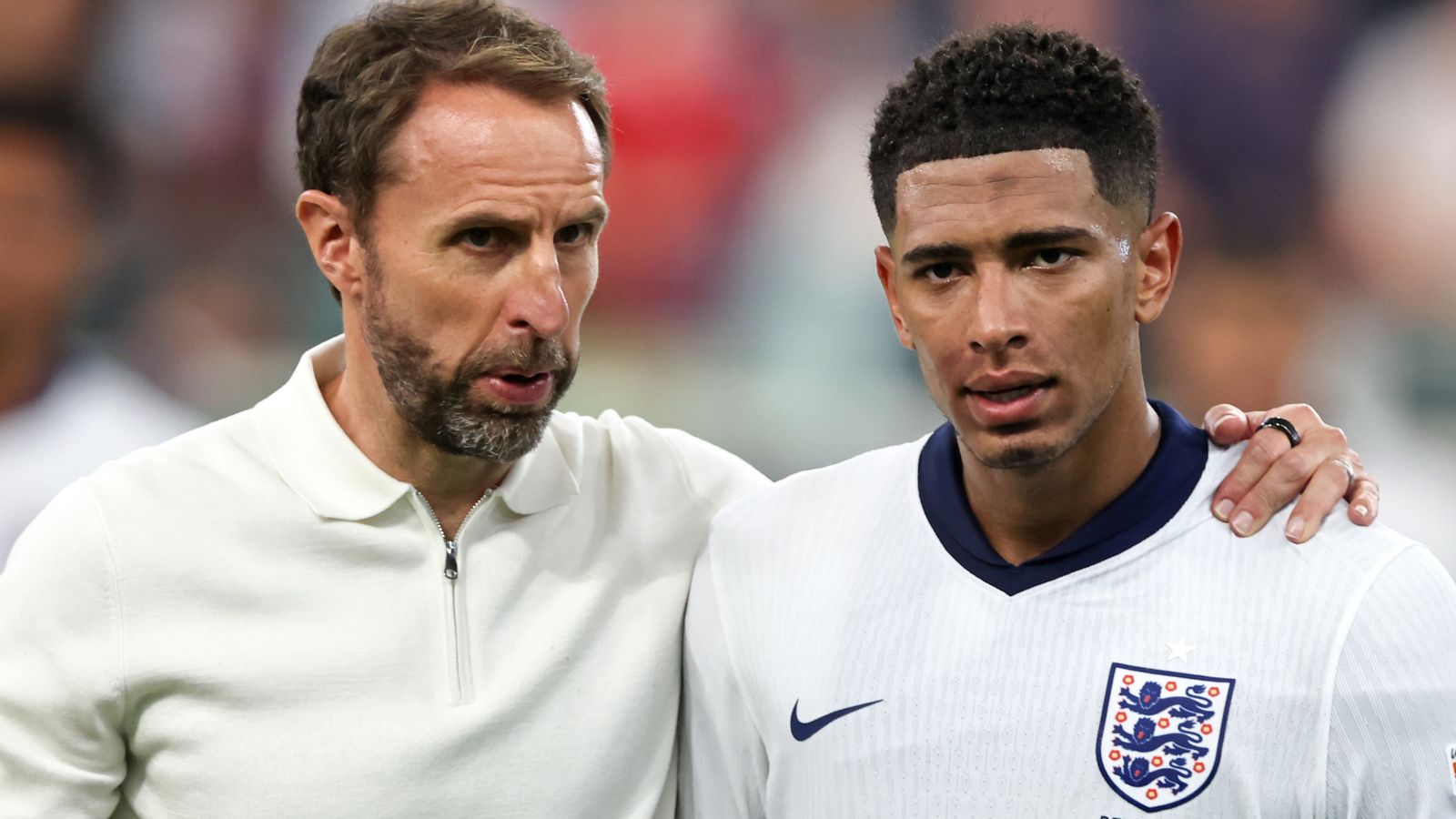
England’s 3-0 dispatching of Costa Rica on June 4 provided a window into how Thomas Tuchel intends to navigate this tournament. The shift away from Gareth Southgate’s tendency toward rigid, conservative structures was evident in the movement across the final third. Anthony Gordon was the primary beneficiary, floating between the touchline and the half-space to act as the primary creative catalyst.
The data from the match supports the visual impression of a high-pressing, vertical side. Gordon’s goal and assist were not products of individual brilliance alone, but of a calculated transition strategy that saw England recover the ball in the middle third at a higher frequency than in the Euro 2024 qualifying campaign. As Mirror Football noted, this performance serves as the definitive setup for their opening game.
The evolution of the Three Lions attack
Under Tuchel, the spacing has tightened. In the 34th minute, we saw a clear pattern: the fullbacks tucked narrow to facilitate a central overload, drawing the Costa Rican markers toward the interior channels. This created space for wingers to isolate defenders on the flank, a stark departure from the stagnant crossing patterns of previous cycles.
The defensive discipline was equally notable. England limited their opponents to an xG of under 0.35 throughout the ninety minutes. Tuchel has installed a counter-press trigger that activates immediately upon losing possession in the attacking half, forcing quick turnovers rather than falling into a mid-block shell. This aggressive recovery saves the backline from having to defend long transitions, a consistent weakness in recent international tournaments.
Areas of concern
Despite the comfortable scoreline, the transition from defense to midfield remains disjointed when the starting pivot is pressured by an organized press. There were three instances in the first half where loose square passes forced the center-backs to bypass midfield entirely, resulting in aimless long balls. If England faces a technically proficient side like France or Brazil, this lack of composure under duress will be exploited. The reliance on individual quality to bail them out in those specific sequences is a gamble Tuchel cannot afford to take against elite opposition.
Predicting the group stage trajectory
England is fundamentally different from the team that struggled for identity eighteen months ago. The coaching staff has moved toward a high-intensity, high-reward system that prioritizes numerical superiority in the midfield over playing for set-piece opportunities. They are clearly leaning into the versatility of their young attackers to break down deep-lying defenses.
Their trajectory is set for a top-of-the-group finish. Because the tactical foundations were solidified by the 3-0 victory over Costa Rica, the squad has the breathing room to rotate personnel during the second group match without sacrificing the structural integrity of their primary system. Expect a deep tournament run predicated on controlling the tempo through superior pressing efficiency rather than mere possession statistics.
Read Next
- England are sleepwalking into the World Cup opener
- England vs Costa Rica and the World Cup’s climate problem
- England's tactical rigidness will haunt them against Costa Rica
- England are sleepwalking into a tactical nightmare in 2026
- 🏆 World Cup 2026 — Full Coverage Hub
- 🏴 England World Cup 2026 — Three Lions Hub