
World Cup 2026: North America's Grand Vision, Fans' Grand Headache
The Price of Admission: A World Cup Beyond Reach
The FIFA World Cup 2026, spread across three nations in North America, was pitched as an expansive celebration of football. Two months out from the opening whistle on June 11, the reality emerging for the average supporter looks less like a global fiesta and more like a financial shakedown. The sheer logistical and monetary hurdles confronting fans are becoming alarmingly clear, painting a picture of a tournament designed more for broadcast revenue than for the travelling faithful.
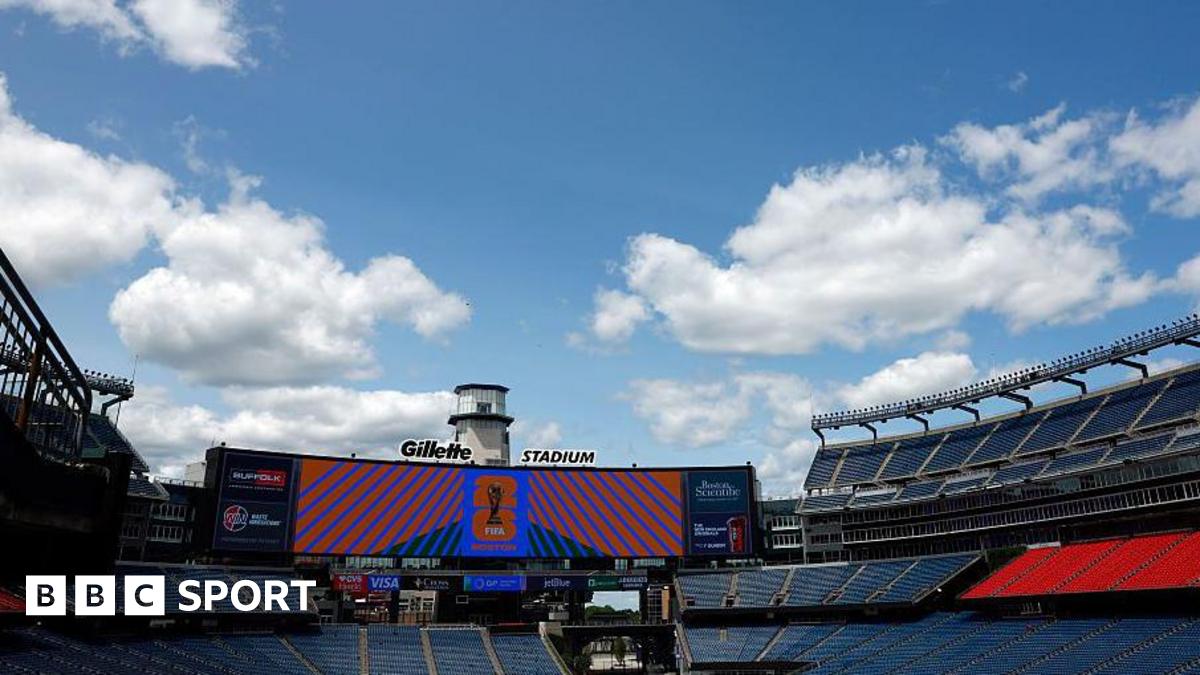
Consider the travel. Fans hoping to follow their national teams, or simply experience multiple group stage matches, are facing staggering costs and inconvenient routes. Train fares for England and Scotland supporters travelling to group games in Boston, for instance, have seen significant hikes. The BBC reports a stark increase in prices, a trend that is unfortunately consistent across host cities.
New York’s Penn Station closure complicates matters further, forcing longer, more convoluted journeys. FourFourTwo highlights potential 27-mile train trips, a minor distance that becomes a major inconvenience when coupled with a 450% price increase on some routes. This isn't just about a few extra dollars; it’s a systemic elevation of the cost of engagement, effectively pricing out a substantial segment of the working-class fan base that forms the backbone of football culture.
Ticket Resale and Security Premiums
The official resale market for tickets offers a glimpse into the exorbitant sums now demanded. One report from FourFourTwo revealed a top ticket for the final was listed at nearly £140,000. This figure isn't just an anomaly; it sets a precedent, normalising extreme valuations for what should be an accessible event. It underscores a fundamental shift where the spectacle's value is measured in abstract financial terms rather than the collective experience of millions.
Even security, an absolute necessity for an event of this scale, comes with an inflated price tag. The Mirror reported that £100,000 was allocated to US police forces specifically for new security equipment to protect the England squad. While player safety is paramount, these costs ultimately trickle down, contributing to the overall expenditure that spectators are expected to bear. The cumulative effect of these financial pressures transforms a global festival into an elite gathering.
On the Pitch: Moments of Magic Amidst the Madness
Away from the rising costs and logistical nightmares, the football itself continues to churn out compelling narratives. The qualifying campaigns offered their own dramas, none more surprising than Graham Potter's redemption arc with Sweden. After a tumultuous spell at West Ham, Potter guided the Swedes to the World Cup, a testament to his coaching acumen when unburdened by unrealistic expectations. His side overcame Ukraine 3-1 in a semi-final before a dramatic 3-2 victory over Poland, sealed by a late Viktor Gyokeres goal, secured their place.
Individual brilliance and resilience also shine through the broader narrative. Riccardo Calafiori, the Italian defender, is channelling the pain of Italy’s recent World Cup struggles into his club form. The Guardian noted his impactful performance for Arsenal against Sporting, culminating in a Kai Havertz late winner. These stories of personal and collective resurgence are what fans truly crave, a stark contrast to the boardroom machinations that often dominate the headlines.
Squad Selections and Looming Questions
As national teams finalise their World Cup squads, debates rage. Pundits like Stephen Warnock are advocating for Trent Alexander-Arnold's inclusion, citing his impact in high-stakes matches such as the recent Champions League quarter-final first leg between Real Madrid and Bayern Munich. These discussions are the lifeblood of football, fueling passionate arguments in pubs and online forums, connecting fans directly to the tactical decisions of their managers.
For Scotland, the battle for a place on Steve Clarke's plane to the States is intense. With an initial pool of 55 players, hopefuls like Oli McBurnie, Kieron Bowie, and Luke Graham – affectionately dubbed the ‘Loch Ness Drogba’ – are vying for recognition. Their late-season form will be under immense scrutiny, embodying the dreams of countless players and the fervent hopes of their nations. This human element, the raw ambition and competitive spirit, remains the enduring appeal of the World Cup.
The Weight of Public Scrutiny and Hyper-Fame
Beyond the ticket prices and pitch battles, the World Cup also brings with it an intense level of public scrutiny for its participants. Lucy Bronze, a veteran of the women’s game, recently articulated a darker side of this hyper-fame: ‘The more people who know you, the more people who also hate you.’ This candid observation by Bronze in FourFourTwo speaks volumes about the pressures faced by modern athletes. As the game’s profile continues to soar, so too does the relentless online discourse, much of it negative. It is a harsh reality that the very popularity bringing commercial success also exposes players to a torrent of criticism and abuse.
The current atmosphere in Los Angeles, one of the host cities, is described as having an ‘air of electricity’ by the Daily Mail, preparing for both the World Cup and the 2028 Olympics. This energy is undeniable, a vibrant hum of anticipation. Yet, for many, this electricity will remain an experience viewed through a screen, rather than felt in the stadium. The growing disconnect between the grandeur of the event and the practicalities of attending for ordinary fans is a critical flaw in FIFA's vision.
Ultimately, the 2026 World Cup promises to be a spectacular sporting event, rich with memorable matches and heroic performances. However, it will also stand as a stark reminder that the 'beautiful game' is increasingly becoming a luxury product. The spiralling costs for travel, accommodation, and tickets risk alienating the very supporters whose passion sustains the sport. While the tournament attempts to embrace an expanded format with 104 games across multiple time zones, the accessibility for fans on the ground is being sacrificed, turning a dream into an exhausting, bank-breaking road trip. FIFA has succeeded in creating a commercial juggernaut, but perhaps at the expense of its soul: the unbridled, uncalculating joy of the fan.
Ruffneck Scarves USA Soccer Scarf - National Team Scarf
The essential accessory for every fan heading to World Cup 2026.
More Coverage
Why Argentina's World Cup title defense is doomed to fail
6 days, 18 hours agoManuel Neuer's World Cup Return is the Funniest, Cruelest Joke in Football History
1 week, 1 day agoEmi Martínez secured Villa's trophy with a broken finger
1 week, 2 days agoTop 10: The Moments Defining the 2025-2026 Season
1 week, 2 days ago
Atletico Madrid's Cucurella chase is born from a medical crisis
1 week, 2 days ago
The 115 shadows looming over the Etihad are getting longer by the day
1 week, 6 days agoMore Analysis
Boston train hikes and £140k tickets are the real World Cup openers
1 month, 2 weeks ago
Gianni Infantino is trying to sell us £1.5m World Cup tickets
3 weeks, 1 day ago
World Cup 2026 is shaping up to be a logistical nightmare for fans
1 month, 3 weeks ago
England fans are hitting the wall over 2026 World Cup travel costs
1 month, 3 weeks ago
Top 10: Cup Chaos and Anticipation — World Cup 2026 Shakes the Foundation
1 month, 1 week ago