The disconnect between valuation and on-pitch performance
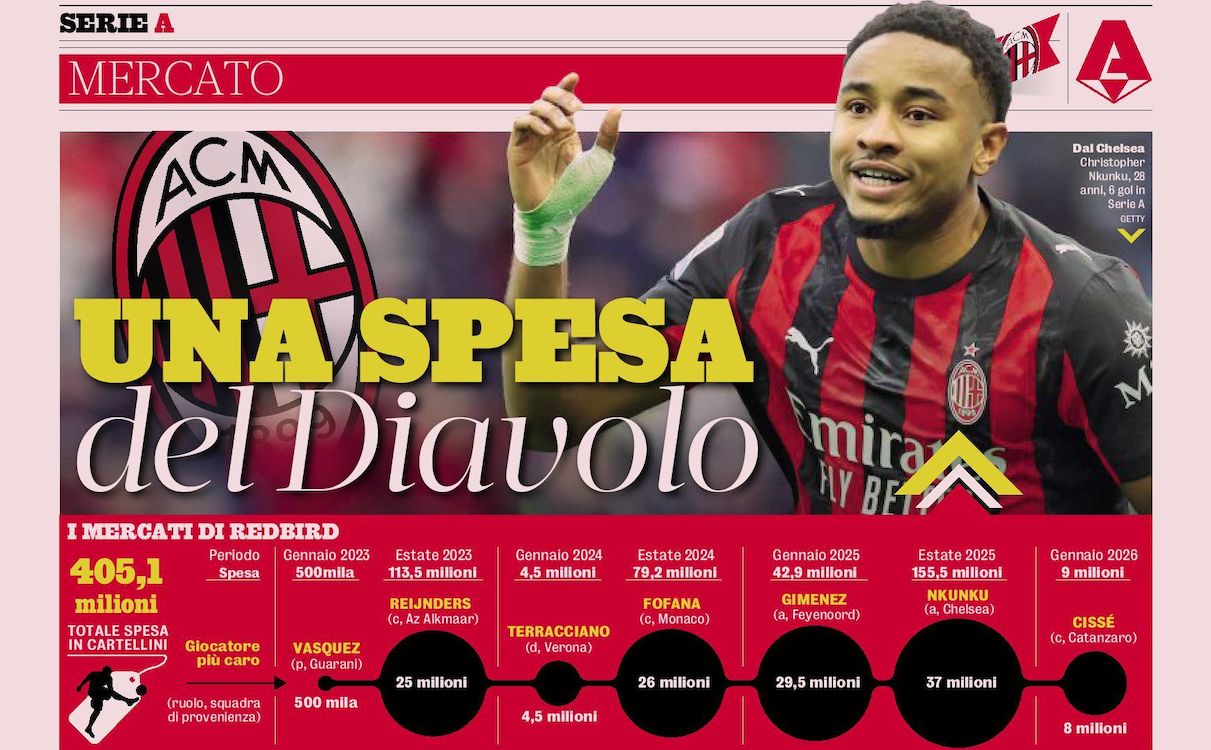
Gerry Cardinale is reportedly seeking a valuation for AC Milan between €3-4bn, a target that sits uncomfortably alongside the club’s recent tactical volatility. Valuations in football at this tier typically rely on a hybrid of revenue stability and asset performance. However, private equity logic often struggles to account for the variance of the 90-minute game.
The financial ambitions outlined by Cardinale regarding a potential minority stake sale assume a trajectory that ignores the friction inherent in the current project. When an owner discusses exit multiples and enterprise value, those metrics exist in a vacuum separate from the reality of defensive structure or pressing coherence.
The Marotta factor: A clash of sporting philosophy
Inter CEO Beppe Marotta recently took aim at Cardinale after a jab regarding a 5-0 loss to PSG. This public spat serves as a proxy for a deeper divide in Italian football management. Marotta, whose success is built on long-term squad integration, views the sport through the lens of incremental gains and organizational stability.
Cardinale’s approach, meanwhile, leans heavily into the RedBird Capital model of scalability. When he critiques outcomes like the PSG result, he centers the failure as a procedural aberration rather than an inevitable conclusion of tactical mismatching. The friction between these two ideologies underscores a fundamental disagreement over how value is extracted in elite football.
Dressing room dynamics and the Genoa win
Perhaps the most revealing aspect of Cardinale’s management style is his physical presence in the dressing room. Reports from the Genoa match confirm that ownership was present both before and after the whistle. From a tactical standpoint, this creates an unusual pressure variable.
Dressing room access is historically a coach’s domain. Inserting ownership into that environment risks diluting the technical authority of the manager. When data-driven investors become emotional participants in the locker room, the focus shifts from match-specific execution to corporate narrative. For a squad trying to maintain consistency, this is a significant psychological distraction.
The statistical gap in the Scudetto race
To hit a €4bn valuation, Milan must consistently finish in the top three of Serie A while competing deep into the Champions League. Currently, the gap between Milan’s underlying numbers and those required for that tier of valuation is widening. Defensive fragility, often highlighted by poor transition defense, remains a persistent statistical trend throughout this campaign.
Investment portfolios function on steady growth. Football squads function on momentum. When an owner treats the dressing room like a boardroom, the players are forced to reconcile their tactical instructions with an ownership narrative they cannot influence. The danger is that the €3bn figure becomes the primary metric of success, relegating Champions League qualification to a secondary, though necessary, revenue stream.
Ultimately, Cardinale faces a classic ownership trap. He believes he can dictate the culture of the club through financial oversight and administrative presence. Yet, football matches are settled by individual 1v1 duels, movement off the ball, and the tactical discipline a team keeps during the final 15 minutes of play. If the valuation remains the priority, the tactical substance of the club will continue to be a secondary concern.