The autopsy of the Atalanta disaster
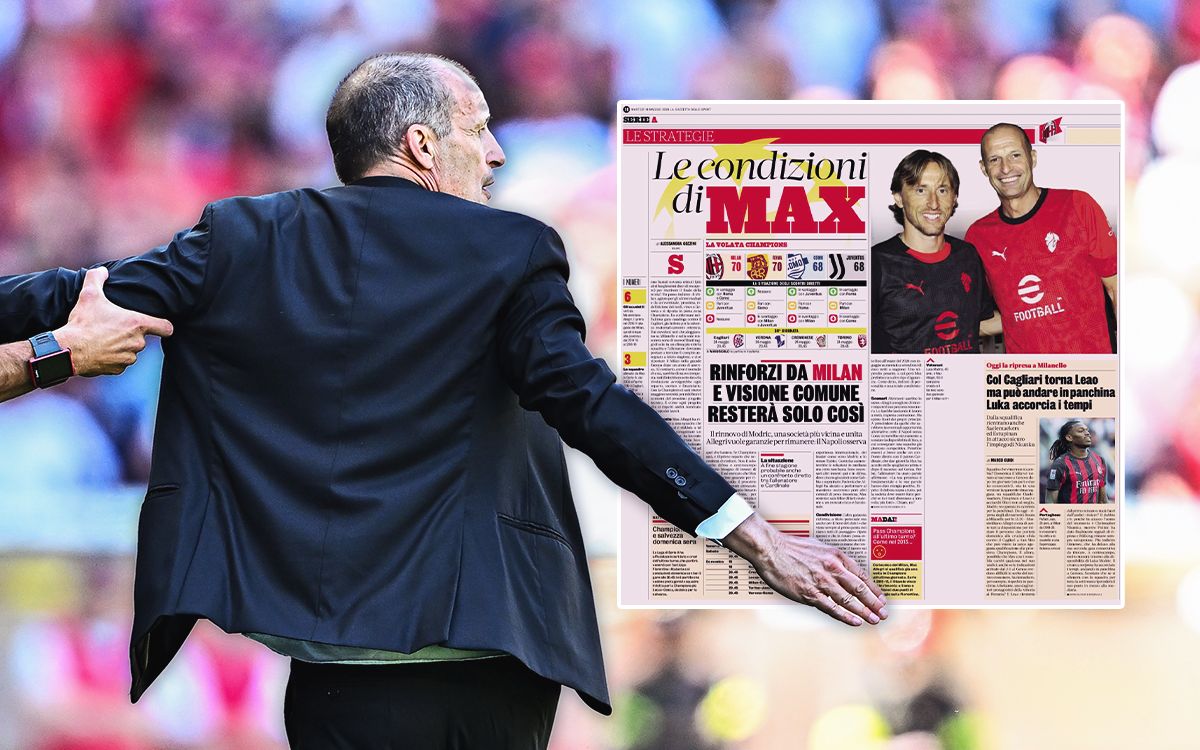
Massimiliano Allegri is not a manager who normally yields to public outcry. He prefers stubborn consistency, trusting his veterans to weather any storm. But following the absolute disaster in Bergamo last weekend, the facade has finally cracked.
Making five changes to the starting lineup is not a simple rotation. It is a loud, ringing alarm bell. The defeat to Atalanta was a tactical humiliation.
Milan were ripped apart in the transition. The midfield was bypassed with alarming ease, leaving the center-backs horribly exposed to numerical disadvantages. Gasperini’s aggressive man-marking system choked the life out of Milan's build-up.
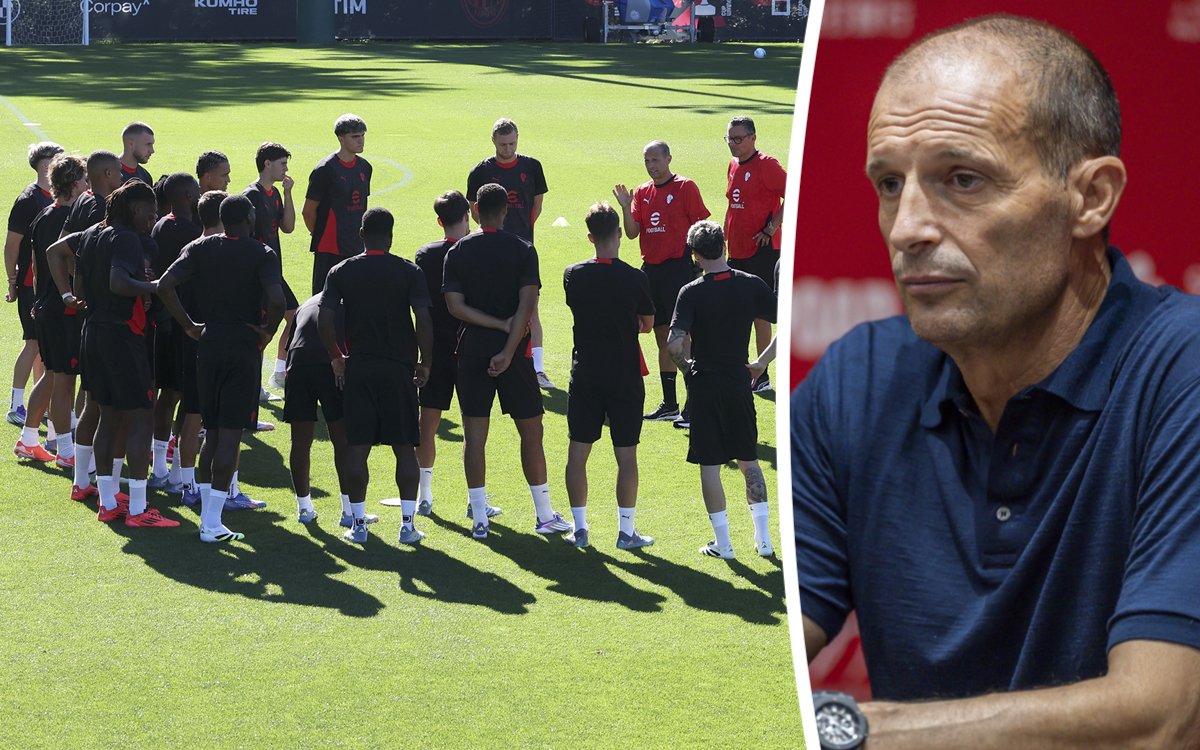
Allegri sat on the bench, making no adjustments until the game was completely out of reach. In his pre-match press conference, the manager was unusually tense. He admitted that "there's obviously pressure" heading into this fixture.
That is a massive understatement. The mood around the club is awful. Dropping points at the Stadio Luigi Ferraris today would plunge the team into a full-blown crisis.
A radical shift in attack
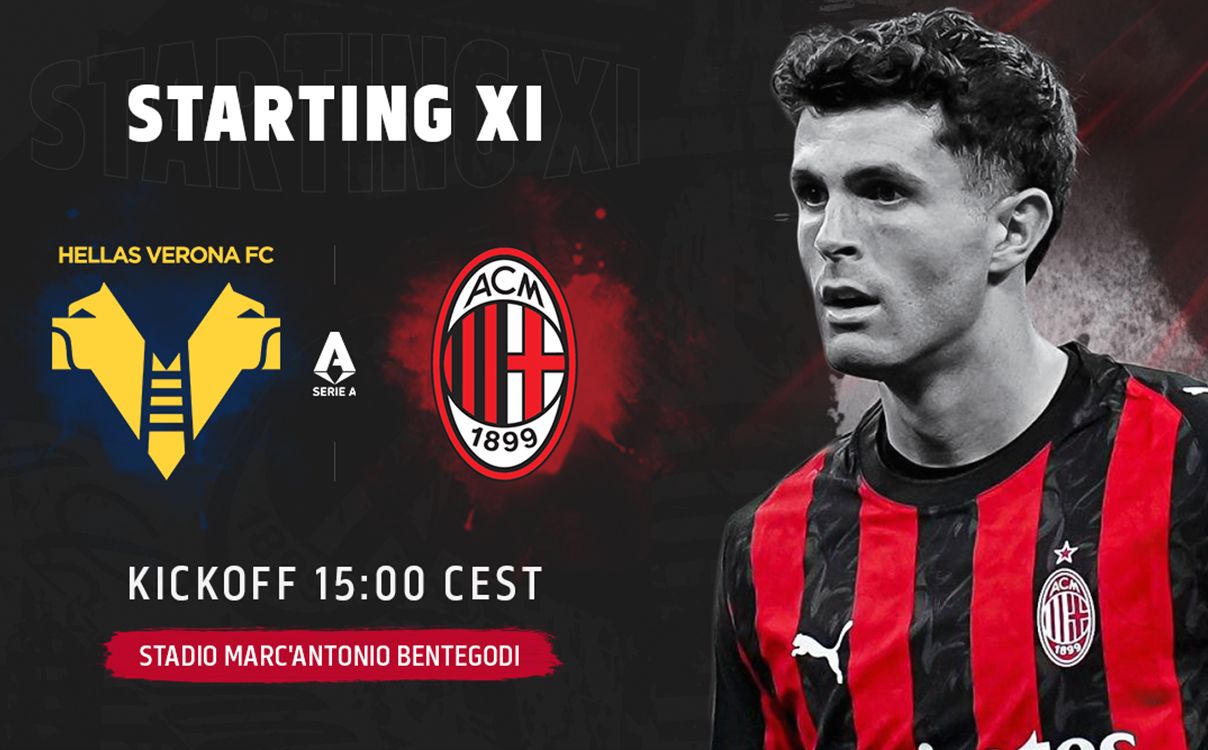
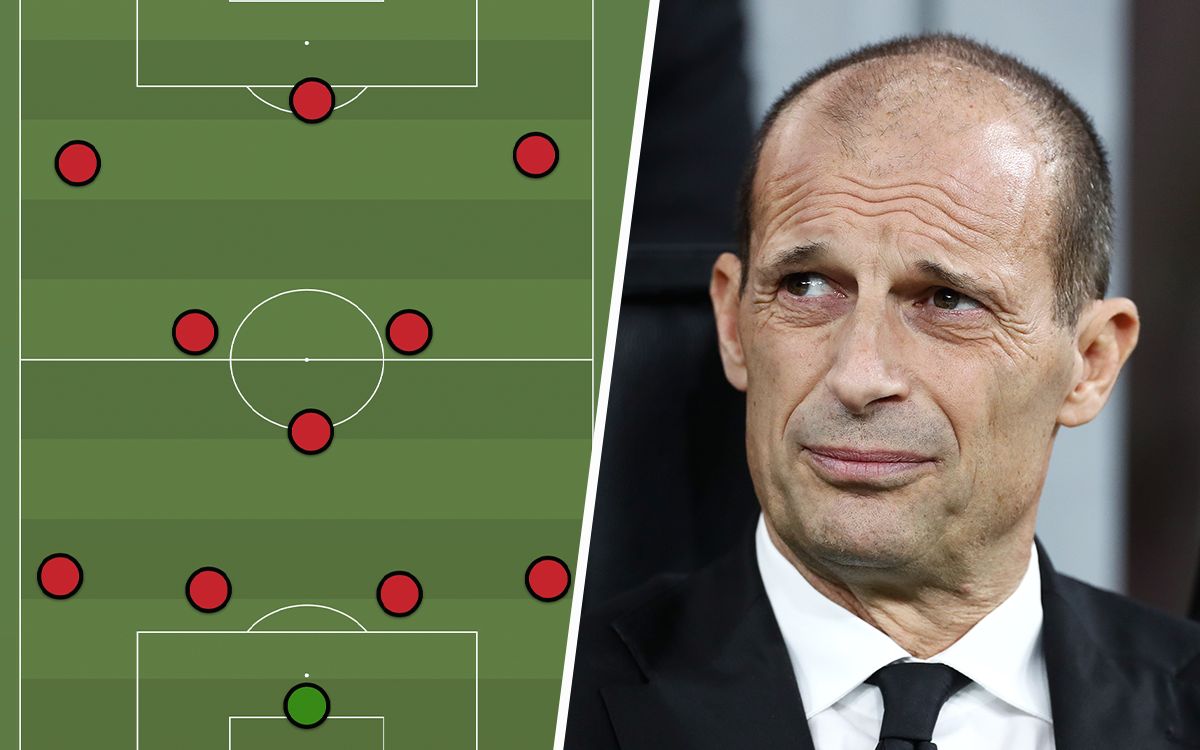
The headline from the official starting lineups is the completely revamped forward line. Allegri has finally pulled the trigger on starting Santiago Gimenez and Christopher Nkunku together up top.
It is a bold move, born of necessity rather than design. For weeks, Milan's attack has looked utterly toothless. They dominate possession in the middle third but fail to translate that into high-quality chances.
Gimenez has cut an isolated, frustrated figure. He constantly wrestles with two center-backs while waiting for service that never arrives. He is a pure penalty-box killer who needs early crosses and chaotic second balls.
That is exactly why Nkunku’s inclusion is so fascinating. The Frenchman operates perfectly in the half-spaces. He has the technical security to receive the ball on the half-turn, drag a defender out, and slip a pass into the newly created space.
Nkunku will naturally drift toward the left half-space. This is where he did his best work at Leipzig. By doing so, he forces the opposing right center-back to make a terrible choice: step up and leave Gimenez 1-on-1 in the box, or hold the line and let Nkunku shoot from the edge of the area.
But again, this requires rapid ball circulation. When you play slowly, the opposing holding midfielder simply drops in to cover Nkunku, allowing the defensive line to stay perfectly intact. Milan have been guilty of taking five touches when two would suffice. Against Genoa's disciplined low block, that hesitation is fatal.
Allegri’s persistent demand for risk-free possession is actively neutralizing his most dangerous attackers. They need to move the ball quickly. Otherwise, this new partnership will be dead on arrival.
The return of the maestro
If there is a glimmer of hope for Milan's sluggish build-up, it arrives in the form of a 40-year-old Croatian. Allegri confirmed that Luka Modric is back in the squad. This is a desperately needed injection of class for a struggling midfield.
"We need to be confident."
Allegri aimed that message at his squad, and nobody on the pitch commands the ball with more quiet authority than Modric. Milan's midfield without him looks entirely devoid of imagination.
Against Atalanta, the ball moved from side to side in a giant U-shape. Nobody was willing to play the line-breaking pass. Modric fixes that immediately.
He scans constantly. He knows exactly where the pressure is coming from, and he uses the opponent's momentum against them. A single drop of the shoulder can take three pressing midfielders out of the game.
However, relying on a player of his age to mask fundamental structural flaws is a terrifying strategy. Modric will dictate the tempo, but he cannot cover every blade of grass. If Genoa play direct balls into the channels, the rest of the midfield must provide the athletic coverage.
The gritty reality of Genoa away
Genoa at the Marassi is one of the most unpleasant fixtures on the calendar. They do not care about possession. Alberto Gilardino has built a team that thrives on suffering.
They defend in a rigid block, squeezing the space between the lines until you make a mistake. This presents a massive problem for a Milan side lacking confidence. Genoa will happily let Milan have the ball in their own half.
They wait for the inevitable heavy touch or forced pass. The moment possession changes hands, they trigger their counter-attack with terrifying speed. Their wing-backs sprint forward, instantly outnumbering Milan's isolated full-backs.
Look specifically at the duels in the wide channels. Genoa's left wing-back has been instructed to press high the moment Milan's right-back receives the ball. This pressing trigger is designed to force turnovers deep in Milan's half.
Milan's center-backs cannot afford to be dragged out wide to cover these transitions. They need to hold their shape in the penalty area and trust their holding midfielders to track the late runners. If they get pulled out of position, Genoa will ruthlessly exploit the cut-back zones.
This is exactly where the tactical battle will be won or lost. If Milan's wide players get pinned back into their own half, the supply line to Gimenez is completely severed.
The referee and the dark arts
An interesting subplot to this encounter is the appointment of Simone Sozza as the referee. A quick look at his record in previous fixtures shows a clear pattern.
Sozza prefers to let the game flow. He is notoriously reluctant to blow his whistle for soft contact in the middle of the pitch. This heavily favors the home side.
Genoa will look to drag this game into the mud. They will leave a foot in late. They will use tactical fouls to break up Milan's rhythm every time Nkunku gets on the ball.
If Sozza puts his whistle away early, Milan have to prove they have the stomach for a fight. They looked incredibly soft last week. If they show that same lack of aggression today, Genoa will bully them off the pitch.
A damning statistical trend
The numbers heading into this match paint a grim picture for Allegri. Despite holding a historical dominance in this fixture, recent underlying metrics suggest Milan are regressing rapidly.
Their expected goals from open play has plummeted over the last month. Even worse, their expected goals conceded from counter-attacks is currently the third-highest in the league.
Let's look closer at those counter-attack numbers. Over the last four matches, Milan have surrendered eleven clear-cut shooting opportunities within eight seconds of losing the ball. Their transition defense is functionally non-existent.
When you combine that defensive fragility with an attack that currently averages less than three shots on target per game, the mathematical reality is grim. Allegri is asking his team to walk a tightrope every single weekend, and the safety net is completely gone.
This is the ultimate indictment of Allegri's cautious approach. The entire premise of playing a slower, more deliberate style is to ensure defensive solidity. You sacrifice attacking volume for absolute control.
But Milan are currently sacrificing the attack without getting the defensive stability in return. They are boring going forward and fragile at the back. It is a recipe for disaster.
The final verdict
This is a defining moment in Milan's season. The five changes are a desperate throw of the dice from a manager who knows his grip on the dressing room is slipping.
The Gimenez-Nkunku partnership is an exciting prospect, but it relies entirely on a dysfunctional midfield suddenly finding its rhythm. Genoa know exactly what they need to do.
They will sit deep, frustrate the visitors, and wait for the inevitable defensive lapse. The return of Modric gives Milan a lifeline in possession, but it won't fix the glaring structural holes when the ball is lost.
Expect an ugly, disjointed affair. Milan have enough individual brilliance to drag themselves over the line, but it won't be a performance that silences the critics. It will be a pure battle of attrition.
Genoa 1-2 AC Milan