Source Credibility and The Timing
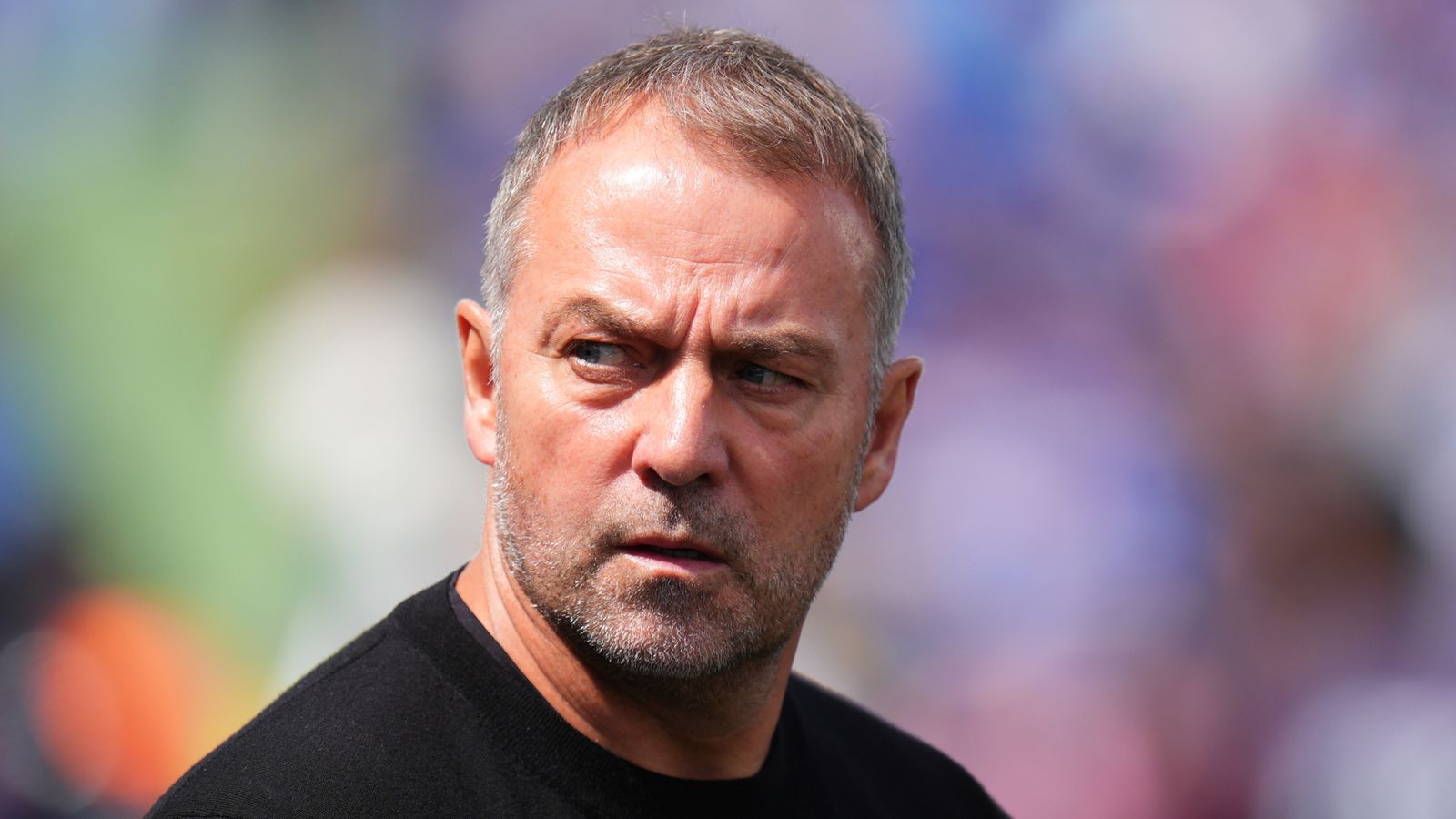
Sky Sports has reported via their Transfer Centre live blog that Hansi Flick is set to sign a new contract with Barcelona. We are treating this as a Tier 2 update. It is highly reliable information coming from a major broadcaster, though we are still waiting on the final, official confirmation from Catalonia. The timing of this leak is entirely deliberate.
We are sitting in early May 2026. The domestic season is grinding toward its conclusion, and the expanded FIFA World Cup looms in June. Barcelona desperately needs to project stability. By leaking this extension now, the board is sending a direct message to the squad, the fans, and potential summer targets. The managerial position is locked down. There will be no summer drama in the dugout.
The Tactical Fit and The Stubborn High Line
When Flick arrived, he promised a specific brand of vertical, aggressive football. He delivered exactly that. His 4-2-3-1 system is uncompromising. It relies on a defensive line so high it frequently operates entirely within the opponent's half. This is the defining feature of his Barcelona tenure.
Pau Cubarsi has been forced to master this system rapidly. Playing center-back for Flick requires absolute precision when springing the offside trap. For the most part, it has been a spectacular, high-wire act. The trap suffocates domestic opponents who lack the pace to break the lines. They get caught offside repeatedly, and Barcelona controls possession by default.
But this is also where we find the primary negative observation of his reign. The system is structurally fragile in Europe. Against elite, fast-breaking teams in the Champions League, the high line looks wildly irresponsible. When the pressing triggers fail in midfield, opposing wingers are given free runs at the goalkeeper. Flick refuses to drop the block. He rarely implements a pragmatic Plan B when under heavy pressure. This stubbornness has cost them in massive fixtures.
The Pivot Problem and Midfield Dynamics
To truly understand Flick's tactical setup, you have to look at the engine room. His system relies entirely on the functionality of the double pivot. These two players are tasked with an impossible workload. They must shield the center-backs, cover the half-spaces when the fullbacks bomb forward, and dictate the tempo of possession.
Barcelona spent years searching for a single pivot to replace Sergio Busquets. Flick abandoned that search entirely. He recognized that no single player in world football, let alone one Barcelona could afford, could replicate that specific role. Instead, he split the responsibilities between two players. It is a pragmatic solution, but it creates a new set of problems.
When opponents press high, they aggressively man-mark Barcelona's pivot. If one of the pivot players is slow to turn or misses a pass, the transition is instant. Because the fullbacks are already pushed high up the pitch, a turnover in the central third immediately exposes the two center-backs. It is a brutal environment for young midfielders to learn their trade, yet that is exactly what they are being asked to do every single week.
Physical Toll and Squad Management
Flick's system demands supreme physical conditioning. You have to run non-stop to make the counter-press function. Barcelona's squad simply does not have the depth to sustain this over a ten-month campaign. The financial constraints mean the bench is incredibly thin.
This leads directly to an injury crisis every spring. We see players pushed into the red zone far too often. Pedri and Gavi are exceptional talents, but their injury records under this physical load are deeply concerning. Flick trusts his starting eleven completely. He hates rotating his core players. The drop-off in quality from the starters to the reserves is steep, so he rides his best players until their hamstrings fail.
La Masia as Financial Necessity
Historically, Barcelona blended expensive superstars with academy graduates. Flick does not have that luxury. His reliance on La Masia is born of absolute financial necessity. Lamine Yamal is not just a promising winger anymore; he is the primary engine of the attack. He is carrying an unfair creative burden for his age.
When veterans get injured or leave, the board cannot buy replacements. They promote a teenager. Marc Bernal and Marc Casado have played massive minutes simply because the club could not afford an established defensive midfielder. Flick deserves immense credit for trusting these kids. He throws them into the deep end, and most of them have learned to swim.
This is exactly why Joan Laporta wants to extend his contract. Flick is a company man. He does not use his press conferences to demand massive signings. He understands the salary cap limitations and works quietly with the tools he has. For a club juggling debts and registration issues, a manager who doesn't complain is worth his weight in gold.
The Market Alternatives and Media Handling
Look around the European managerial market right now. Who else is Barcelona going to hire? They cannot compete financially with mid-table Premier League clubs, let alone the state-backed giants. They cannot offer massive wages or a promised transfer budget to a new elite coach.
Keeping Flick is the safest, most logical move. He has already survived the baptism of fire. He knows how the Catalan media operates. Xavi was ultimately consumed by the noise and the constant leaks. Flick handles it differently. He operates with a detached, clinical demeanor. He ignores the daily soap opera of the local press and focuses entirely on the training pitch.
Wage Estimates and Contract Length
The Sky Sports report does not specify the exact financial package. However, we know how Barcelona operates under the strict La Liga salary rules. This will not be a market-setting contract. The wages will be heavily structured with performance-based bonuses tied to league finishes and Champions League progression.
We expect this to be a short-term extension, likely pushing his deal through to the summer of 2028. The board is allergic to massive severance packages after being burned repeatedly in the past decade. A two-year extension gives the manager authority without handcuffing the club long-term.
Summer Recruitment Strategy
With Flick's future resolved, the sporting department can actually plan for the summer window. They know exactly what profiles the manager needs. They do not need to waste time drawing up shortlists for three different potential head coaches.
The priority is obvious. They need a left winger who can hold width and isolate defenders one-on-one. The right side is completely dominated by Yamal, but the attack becomes predictable if the opposition simply overloads that flank. A dynamic threat on the opposite side would force teams to stretch their defensive block, creating more central space for the attacking midfielder to operate.
They also desperately need a physical profile in midfield. The current crop of La Masia graduates are technically flawless, but they lack the raw physical power required to dominate a Champions League knockout tie. Flick knows this. He needs a ball-winner. Whether the club can find one for free or on a cheap loan remains the defining question of the upcoming window.
Probability and Expected Timeline
Probability assessment: 90 percent chance of completion.
This deal is effectively done. Both parties are heavily incentivized to finalize the paperwork quickly. Expect the official announcement to drop before the final match of the domestic season in late May. They want the photo op on the pitch. They want the narrative controlled before the players disperse for international duty.
The Expected Impact
If Flick signs this extension, the impact is clear: the current tactical identity is locked in. Barcelona will continue to play an aggressive, high-risk 4-2-3-1. They will continue to lean heavily on teenagers to plug holes in the squad. They will be incredibly entertaining to watch, but defensively vulnerable against the absolute best teams in the world.
This contract is a marriage of convenience. Flick gets to manage one of the biggest institutions in global sports. Barcelona gets a competent, uncomplaining coach who fits their restricted budget. It is a sensible piece of business. But until Flick learns to adapt his defensive line on massive European nights, this extension merely maintains the current ceiling. They will be good, but perhaps not great.
Read Next
- Arteta’s ruthless standard is the only way Arsenal survives the Fulham trap
- Arsenal’s rotation gamble against Fulham won’t be as simple as Henry thinks
- Burnley's Premier League exit confirms the failure of the Parker experiment
- Arsenal must learn from the PSG and Bayern chaos
- ⚽ La Liga 2025-26 — Title Race Hub