Tactical ripples from the Paris thriller
The Champions League semi-final first leg between PSG and Bayern Munich was not just a game; it was an exercise in systematic over-extension. As analysts noted in the recent Football Weekly podcast, the match served as a masterclass in aggressive transition football that left both defensive lines looking exposed. Watching those sides operate, it became clear why Frank Lampard was so vocal about the quality on display; he recognized the high-wire act both managers were performing.
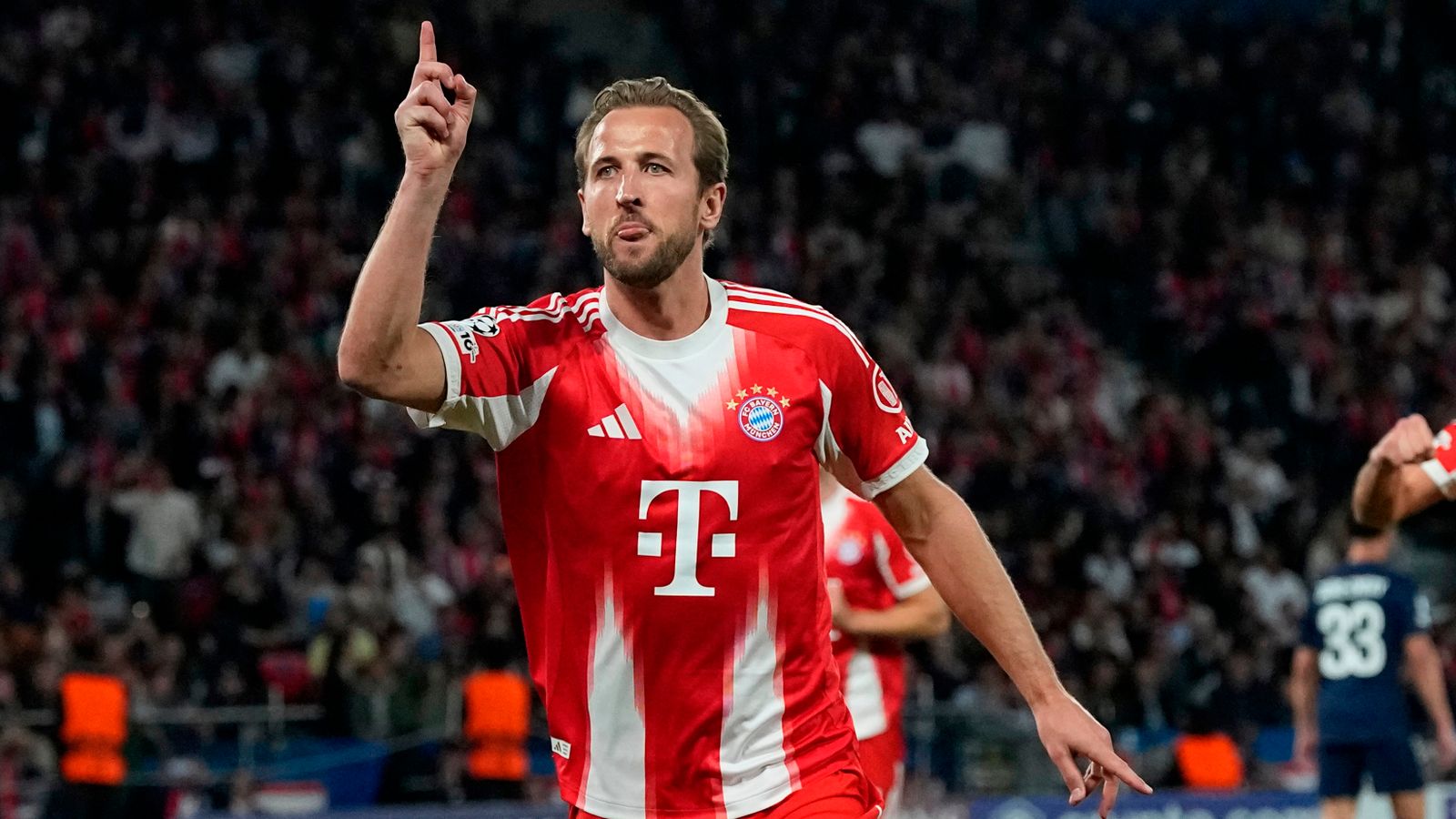
The specific tactical wrinkle involved Jamal Musiala. By shifting into the forward line, Musiala effectively neutralized the PSG holding midfielders, dragging them out of position. This movement created space for Harry Kane to drop deep, pulling center-backs out of the defensive block and opening channels for wide runners. BBC analysts Stephen Warnock and Nedum Onuoha highlighted this manipulation as the primary reason the first leg ended in such a chaotic scoreline. It is a blueprint that Premier League scouts are currently dissecting with significant intent.
The shadow of management changes
While the focus remains on the pitch, the boardroom intrigue continues to simmer. With Oliver Glasner set to vacate his seat at Selhurst Park when the season concludes, Frank Lampard is actively being linked to the vacancy. Reports suggest that Crystal Palace officials are evaluating compensation fees to bring the current Coventry manager back to the top flight. It is a strange moment for such a high-profile move, given the intensity of the current season.
Lampard’s recent commentary on European football suggests a manager keeping tight tabs on top-level tactical shifts. During his assessment, he made it clear that the intensity seen in Paris is the benchmark for modern success. However, his track record in organizing defensive transitions for lower-ranked squads remains a valid point of skepticism among supporters. If he takes the Palace job, he faces the massive hurdle of imposing this high-intensity model on a group that lacks the technical depth of a Champions League semi-finalist.
What Arsenal must address
Arsenal finds themselves approaching their own European fixtures, fully aware that defensive discipline is no longer a suggestion—it is a requirement. The PSG-Bayern game showed that a single lapse in pressing structure leads to high-xG opportunities within seconds. If Arsenal’s midfielders are caught as far up the pitch as PSG’s were on Tuesday, they will be shredded by any team executing a quick vertical counter.
The defensive pivot under Mikel Arteta has been excellent, yet the team lacks the specific wide-zone protection that prevents internal splitting. The 3-0 aggregate potential of high-level European knockouts is a terrifying prospect for any team that fails to balance its attacking ambition. Arteta’s preference for inverted full-backs puts immense strain on the center-half pairing to cover massive lateral spaces. Against high-IQ forward lines, that leaves them vulnerable in exactly the same way PSG collapsed.
Prediction: A cautious necessity
I anticipate Arsenal will adopt a more conservative low-block in their upcoming matches to stifle similar transitions. Betting on a high-scoring thriller is foolish when the stake is a place in the final. Arsenal will win the first leg at home but they will sacrifice their high-pressing identity to achieve it. Expect a narrow 1-0 result, driven by a set-piece rather than open-play dominance. They are pragmatists first, artists second, and that mentality will be their best asset when the pressure hits its peak on May 28th.
Read Next
- Champions League semi-finals are teetering on a knife edge
- Arsenal's trip to Madrid requires more than just righteous indignation
- Arsenal need to stop whining and start shooting before the return leg
- Arsenal vs Atletico Madrid is destined for extra time hostility
- ⚽ Ligue 1 2025-26 — PSG, Monaco & the Title Race Hub
- ⭐ UCL 2026 — Champions League Quarter-Finals Hub