The statistical reality of a defensive anchor
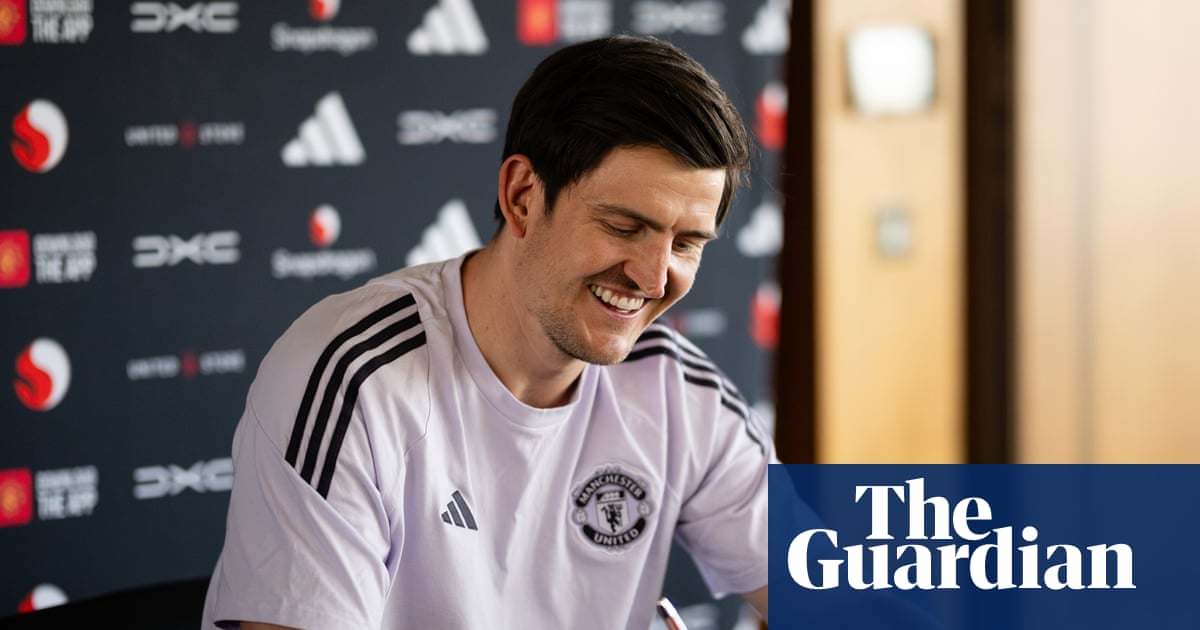
Harry Maguire signing a contract extension until 2027, with an option for an additional year, shifts the optics at Old Trafford. At 33 years old, the defender has transitioned from a player reported to be nearing an exit under Ruben Amorim to a central figure under Michael Carrick. On the surface, this move secures stability. However, the data suggests a club hedging its bets while the squad requires a more aggressive turnover.
Maguire accepted a wage cut to finalize the deal, a move that indicates he is prioritizing tenure over immediate earning power. It is a pragmatic shift, though skeptics will point toward his age and the tactical demands of moderne European football. Since joining from Leicester in 2019, his impact has been defined by defensive volume rather than speed in recovery transitions. As Daily Mail notes, his continuity follows a rocky period of uncertainty that once seemed destined to conclude his United tenure.
The squad overhaul dilemma
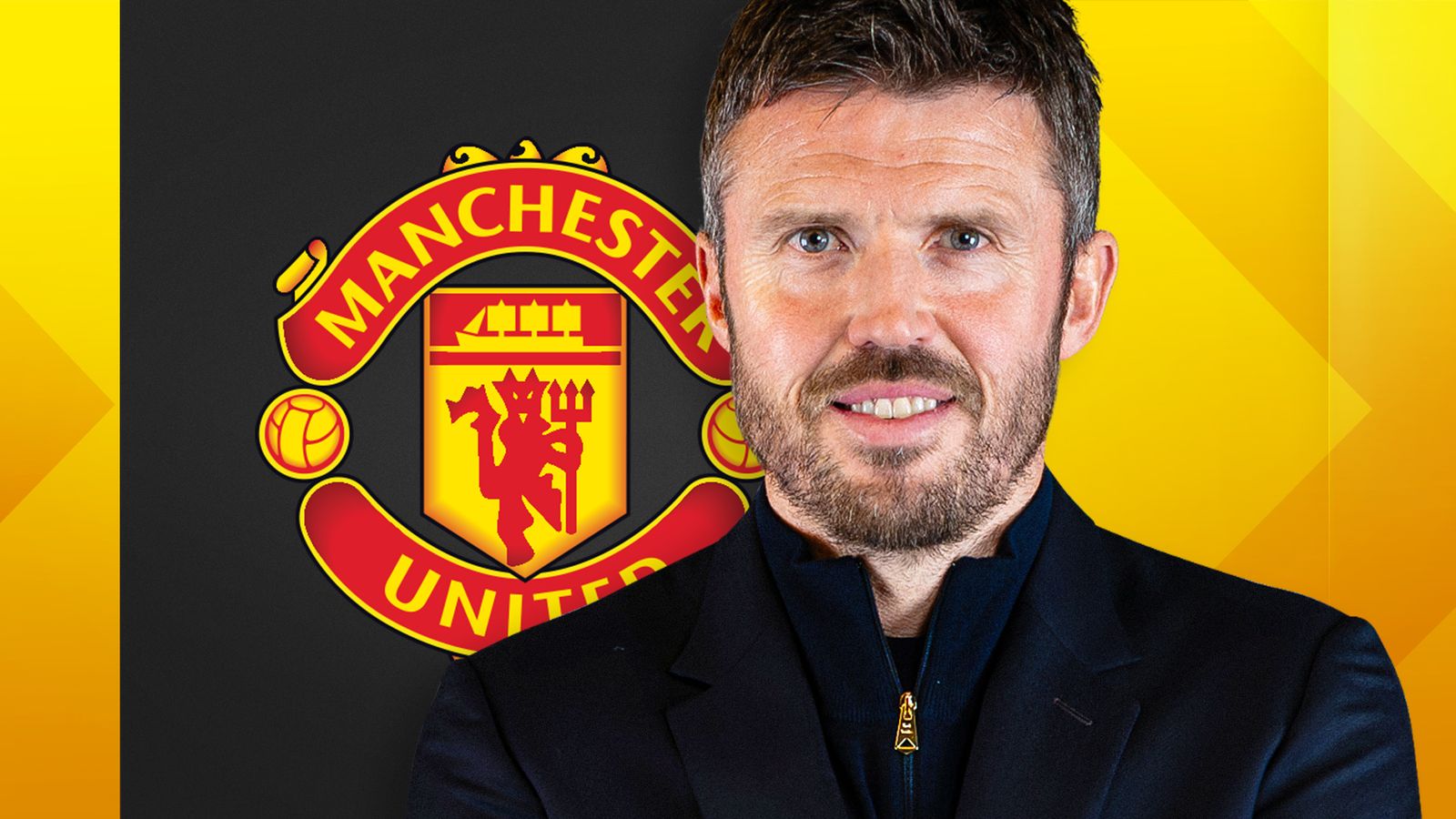
The decision to retain an aging defender comes as Paul Scholes has publicly campaigned for a ruthless sale of eight players from the current squad. Managing a transition while locking in long-term contracts for the older guard suggests a lack of alignment. Carrick, currently the caretaker, has been vocal about integrating youth into his 25-man squad, recently taking five academy prospects to Ireland to test their ceiling against professional benchmarks.
The contrast is sharp: the club is doubling down on veteran experience while simultaneously testing academy talent. Amad Diallo continues to lobby for his own long-term viability, publicly backing Carrick for the permanent role. Whether these youth players can bridge the gap in defensive intensity remains the primary question. If the average age of the starting XI fluctuates too wildly, high-pressing opponents will exploit the space between the veterans' recovery pace and the erratic positioning of the youth prospects.
The financial implications of a keeper shake-up
The goalkeeper situation provides another layer of complexity. Andre Onana, currently on loan at Trabzonspor, remains on a £120,000-a-week contract with two years remaining. Forcing a correction in the wage bill while carrying the salary of a loanee hampers the club's ability to bid for replacements. It is an inefficient circular motion: funds are tied up in previous failures, necessitating extensions for players like Maguire to maintain a defensive baseline.
The market also looms large over the blue half of Manchester. With Pep Lijnders confirming that Bernardo Silva will leave in the summer, the recruitment landscape in the Premier League will shift rapidly. Silva’s exit signals a definitive end to an era. While United navigates internal contract extensions, their rivals are clearing cap space for aggressive retooling. If United chooses to stand pat with a high-wage, older squad, the gap between their standing and the league's top-two entities will widening significantly by the end of the 2026 campaign.
The missed opportunity for renewal
Signing a 33-year-old to a deal running until he is 34—or potentially 35—is a reactive decision, not an proactive one. While the wage cut is beneficial for the balance sheet, it does not solve the underlying issue of squad speed. In the modern game, the ability to reset after a lost possession is paramount. Maguire's historical metrics are sound, but they reflect a version of the game that existed five years ago. Investing in a future, younger pivot would have likely been the bolder, and eventually, the more sustainable path forward.
Ultimately, the club is prioritizing the emotional weight of a long-serving professional over the cold arithmetic of required defensive acceleration. The 2027 expiration date is a gamble on loyalty. Unless Carrick finds a system that shields his center-backs from high-speed counter-attacks, the club will likely find themselves back in the exact same position of uncertainty in 18 months' time.
Read Next
- Manchester United’s Chaotic Spring: Maguire Stays, Rashford Exit Looming
- Harry Maguire’s new Manchester United contract is the ultimate test of your sanity
- Carrick pushes for April double deal while De Bruyne stirs the transfer market
- Michael Carrick takes the kids to Ireland and the stakes couldn't be higher