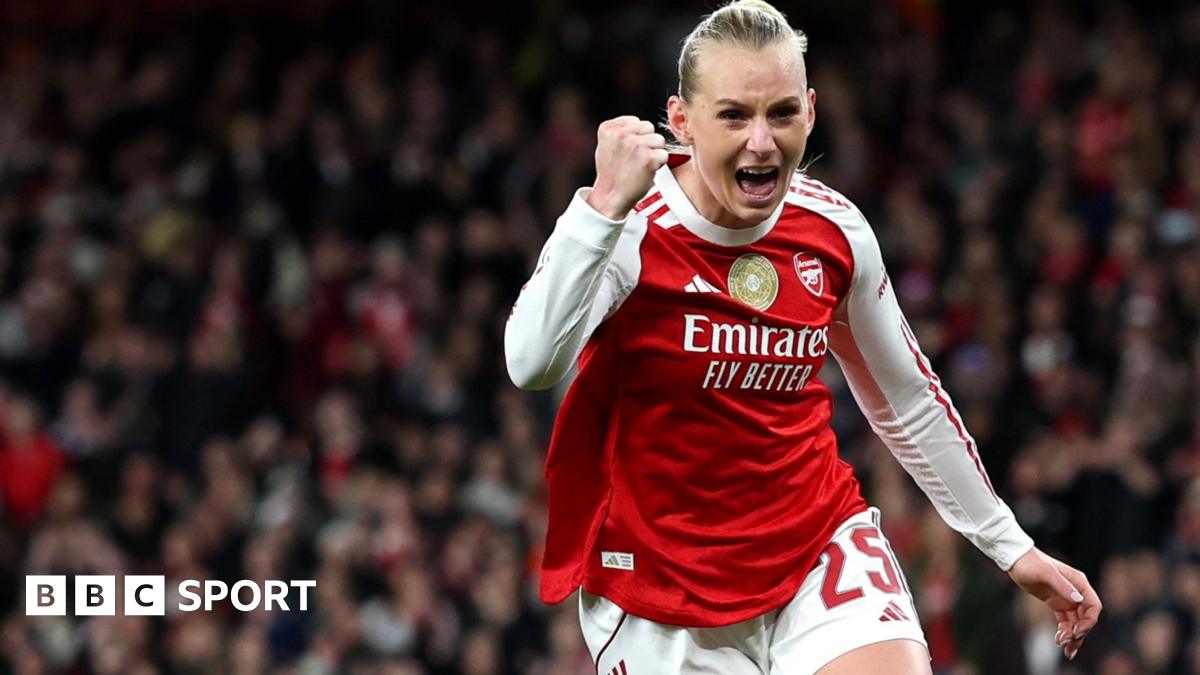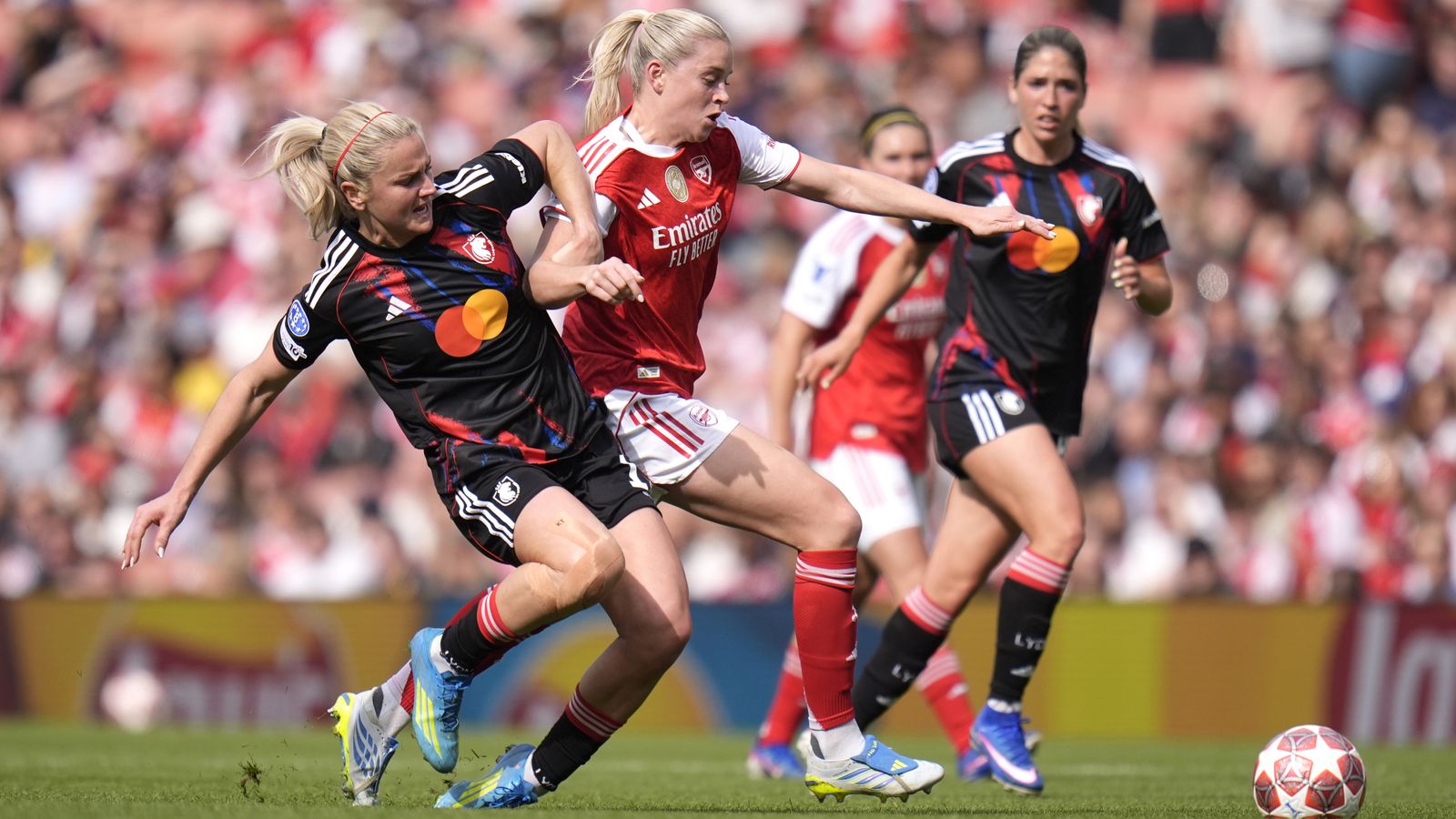
Just as the stage was set for a historic Champions League semi-final, Arsenal have been dealt a devastating blow. Star striker Eva Janssen has been ruled out of the upcoming clash with Lyonnes after suffering a right anterior cruciate ligament (ACL) tear in training. The club confirmed the news on Tuesday, sending shockwaves through the squad and its fanbase just days before the biggest match of their season.
The injury occurred during a final, high-intensity session at London Colney. Sources close to the team describe a seemingly innocuous, non-contact incident. Janssen, receiving a pass in a routine drill, twisted to turn away from a defender. Her boot appeared to catch in the turf, and her knee hyperextended. The Dutch international immediately went to ground, and the collective gasp from her teammates told the story. After being attended to by medical staff on the pitch for several minutes, she was stretchered off, with manager Jonas Eidevall and teammates looking on in visible distress.
An MRI scan later confirmed the worst: a complete rupture of the ACL, with suspected damage to the meniscus. The club has not put a definitive timeline on her return, but for this type of complex injury, a recovery period of nine to twelve months is the standard prognosis. This not only ends her season but will almost certainly see her miss the start of the next domestic campaign and puts her participation in next summer's European Championship in serious doubt.
For Arsenal, the timing is catastrophic. Janssen has been more than just their top scorer; she has been the fulcrum of their attack. Her 28 goals in all competitions this season only tell part of the story. Her intelligent movement, ability to link play, and her knack for scoring crucial goals have been instrumental in the Gunners' WSL title challenge and their European run. Her absence leaves a gaping hole in their front line as they prepare to face a Lyonnes side renowned for its defensive solidity, marshalled by the imperious Lindsey Heaps.
The tactical implications are immense and immediate. Jonas Eidevall now faces the unenviable task of completely rejigging his attack. The most likely option is to deploy Stina Blackstenius as the central striker, but the Swedish international offers a different profile. While her work rate and ability to press from the front are prodigious, she doesn't possess Janssen's predatory instincts or clinical finishing inside the box. Eidevall may also consider a more fluid front three, perhaps bringing in Caitlin Foord to play a false-nine role, a tactic he has experimented with in domestic cup ties. This, however, would be a major gamble in a game of this magnitude.
This incident forces a critical and uncomfortable light onto a worrying trend at Arsenal. Janssen's injury is the third major ACL tear suffered by a key player in the last 18 months. It follows the devastating, back-to-back injuries to England star Beth Mead and Dutch legend Vivianne Miedema, which effectively derailed their previous season. This pattern is no longer a matter of bad luck; it is a crisis that demands scrutiny. Urgent questions must be asked about the club's player load management, training methodologies, and whether the sheer intensity of the modern women's football calendar is pushing elite athletes past their physical breaking point.
The wider context is that women's football is experiencing what some have called an \"ACL epidemic.\" Research has shown female athletes can be up to six times more likely to suffer ACL tears than their male counterparts, due to a combination of biomechanical and hormonal factors. However, the concentration of these injuries at a single club like Arsenal is alarming.
An in-depth analysis from The Athletic recently highlighted the Gunners' struggles with long-term injuries, suggesting a potential correlation between their high-press, high-intensity system and the physical toll it takes on players. You can read that deep dive here: theathletic.com/54321/arsenal-wsl-injury-crisis-analysis/. While no club is immune to injuries, the repeated nature of these specific, season-ending setbacks at Arsenal warrants a serious and transparent internal review.
The psychological impact on the squad cannot be overstated. Seeing another top player, a friend, fall to the same dreaded injury is a morale-sapping event. \"It's a black cloud,\" one former player told us anonymously. \"You try to focus, but in the back of your mind, you're thinking, 'who's next?' It creates a sense of fear every time you plant your foot to make a hard turn.\" Eidevall's biggest challenge between now and kickoff may not be tactical, but mental. He must now rally a shaken squad and convince them that they can still overcome a world-class Lyonnes team without their most potent weapon.
The historical context of football is littered with tales of teams losing their superstars at the most crucial moments. One thinks of the great Ronaldo Nazario's mysterious illness before the 1998 World Cup final, Roy Keane missing the 1999 Champions League final for Manchester United through suspension, or Michael Ballack's similar fate in the 2002 World Cup final. These moments test the depth, character, and resolve of a squad. They force others to step up from the supporting cast and into the limelight, forging unexpected legacies.
For Arsenal, this is their moment of truth. The dream of a Champions League final, as previewed in the Sky Sports showdown piece, now feels more distant and challenging. The narrative was supposed to be about the thrilling head-to-head battle between Janssen and Heaps, two titans of the modern game. Instead, that story has been cruelly rewritten as one of absence, adversity, and a test of Arsenal's collective will.
The club's official statement was understandably brief, expressing \"deep disappointment\" for Eva and promising her the \"best possible care and support\" during her long rehabilitation. Janssen herself posted a short, defiant message on her Instagram account: \"Heartbroken is an understatement. The emptiness is hard to describe. But the comeback starts now. I'll be the loudest supporter from the sidelines. I believe in this team, and the job isn't done.\"
Now, the unforgiving spotlight turns to who will fill the void. Can Blackstenius rise to the occasion and become the clinical finisher Arsenal need? Or will Eidevall's side find goals from other areas, with players like Frida Maanum or Caitlin Foord taking on more responsibility? Arsenal's European dreams now hang by a thread, and their response to this crisis will define their season and Eidevall's tenure. They face not just a formidable Lyonnes team, but the crushing weight of history and the ghost of injuries past.
The focus was meant to be on a titanic clash of two of Europe's elite. Instead, one of its brightest stars has been extinguished before the match even began. It is the most brutal, unforgiving side of the beautiful game. Arsenal's path to glory, once looking so clear, just became immeasurably harder and steeper. A season's hopes now rest on their ability to overcome this profound and painful loss. The question on everyone's lips is, can they? The world will be watching to see if they can find a way to rally, or if this latest injury proves to be one devastating setback too many.
This is the ultimate test of a champion side. It's more than just tactics and formations now; it's about raw resilience and character. The Gunners must now dig deeper than they ever have before. The dream is not over yet, but the path forward has been plunged into a familiar and cruel darkness. They must find the light, and quickly.