The End of an Era
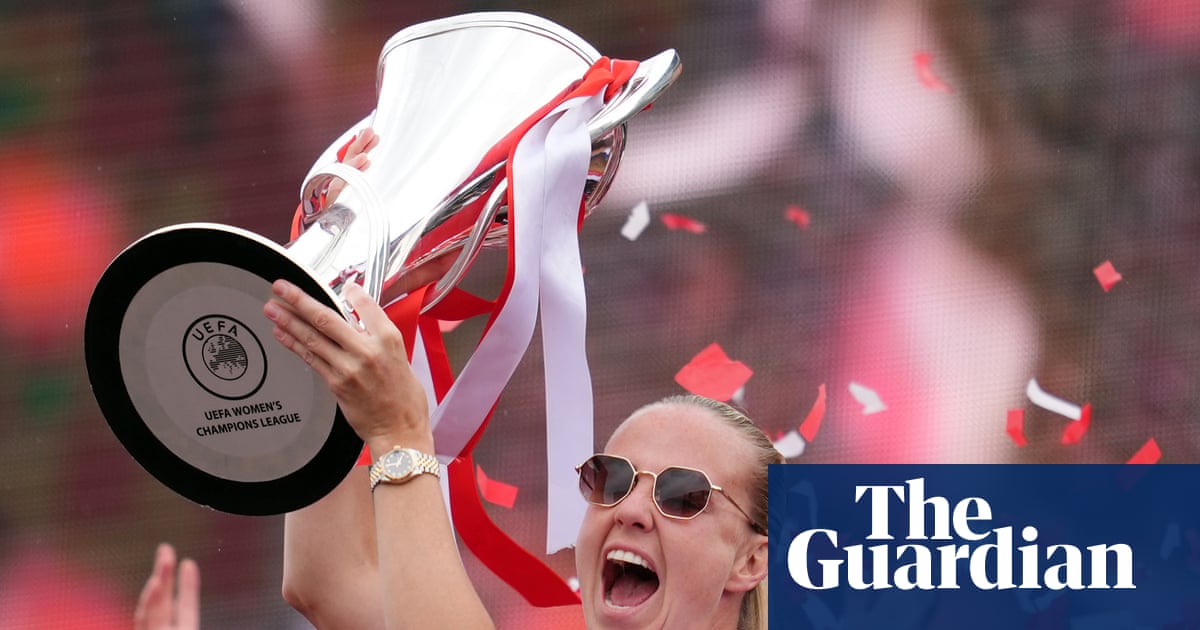
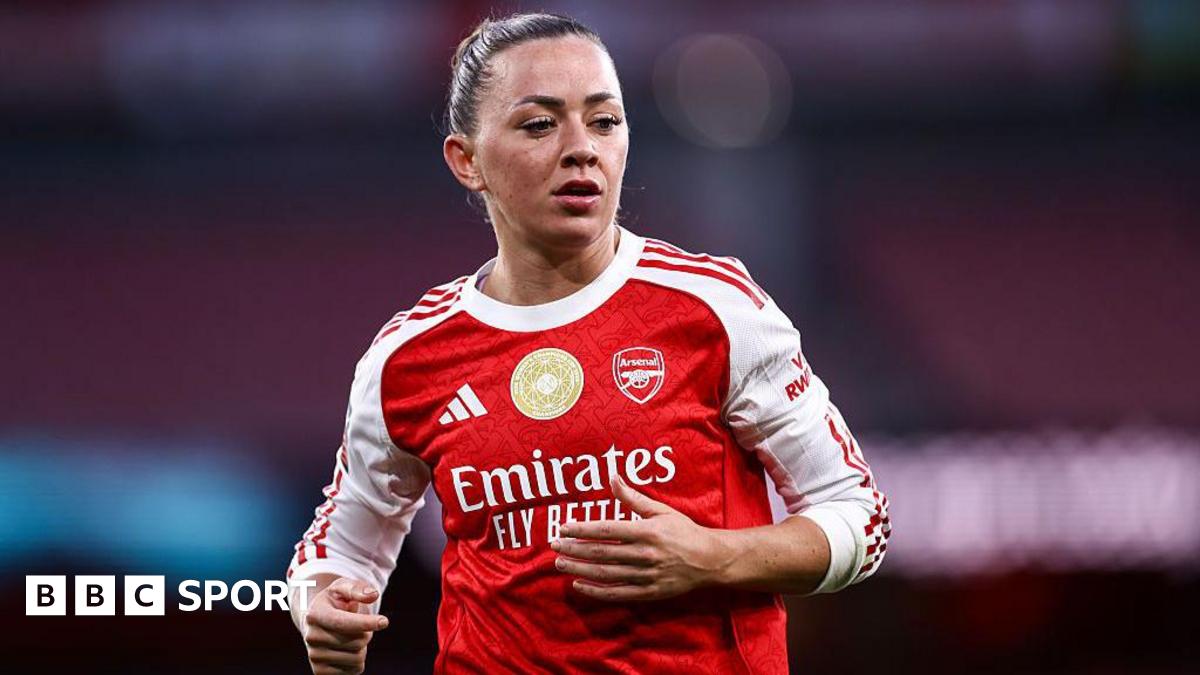
It’s official, and it feels brutal. Beth Mead, a player who has defined an entire era of Arsenal Women football, will leave the club at the end of the season. The news confirmed by the club and the player herself lands with the heavy thud of inevitability, but that doesn't lessen the sting. In her own words, the departure "breaks her heart," a sentiment that will be shared by a significant portion of the club's fanbase.
This isn't a simple transfer. It's the painful conclusion to a dramatic arc, one that saw Mead conquer Europe with England, nearly win the Ballon d'Or, and then suffer a catastrophic injury that threatened to take it all away. Her departure is a complex story about ambition, loyalty, and the cold, hard business of elite football.
The Injury That Changed Everything
To understand why a club legend is leaving, you have to go back to November 2022. Mead was on top of the world. She had just won the Golden Boot and Player of the Tournament at the Lionesses' historic Euro 2022 victory. She was the runner-up for the Ballon d'Or Féminin. Then, in a Women's Super League match against Manchester United, her anterior cruciate ligament ruptured. It was the most feared injury in women's football, delivered at the absolute peak of her powers.
The timing was devastating. It didn't just end her season; it robbed her of a place in the 2023 World Cup squad. The subsequent 11 months were a grueling test of physical and mental fortitude. An ACL recovery is not a straight line; it's a monotonous cycle of rehab, strength building, and painstaking work to regain the explosive power that made her one of the world's best forwards. While her teammates were competing in Australia, Mead was fighting a solitary battle in the gym.
Her return to the pitch in October 2023, nearly a full year later, was a moment of pure triumph and relief. She had overcome the biggest professional challenge of her life. But the club she returned to was not the same one she had left.
A Different Arsenal, A Different Role
Herein lies the uncomfortable truth of the situation. While Mead was fighting her way back to fitness, Arsenal had to move on. Manager Jonas Eidevall couldn't wait. The club invested in forwards like Cloé Lacasse and, most notably, Alessia Russo—Mead's own England teammate. The attack was rebuilt in her absence.
Upon her return, Mead was no longer the automatic, undisputed first name on the teamsheet. She made numerous appearances, but a significant number were from the bench. For a player of her caliber and competitive drive, being a squad player was never going to be a sustainable long-term solution. It's the critical, often unspoken, context for this "heartbreaking" departure. Arsenal's evolution during her recovery meant she was returning to a squad where she now had to fight for her place in a way she never did before the injury.
It breaks her heart.
This single line, as reported by the BBC, says everything about the emotional conflict. The decision to leave is likely a logical one for her career, a necessary step to secure the starting role her talent demands. But logic rarely soothes the pain of leaving a place you called home for seven years, a place where you became a global star.
Legacy and The Road Ahead
Mead’s legacy at Arsenal is secure. She leaves with a WSL title (2018-19) and two FA WSL Cups. More than trophies, she was a symbol of the club's ambition and a perennial fan favorite, known for her spectacular goals and relentless work rate. Her departure feels like the definitive end of the team that won that last league title.
For Arsenal, this is a calculated risk. It frees up significant wages and a roster spot, allowing Eidevall to continue his squad overhaul. However, they lose a player with an almost unmatched pedigree for producing in big moments. It’s a gamble that the new generation of forwards can deliver the consistency and magic that Mead provided at her peak. It's a decision that could easily come back to haunt them if she finds her best form at a rival club.
For Mead, the future is an open book. A move to the NWSL in the United States, with its record-breaking salaries and commercial opportunities, seems plausible. So does a transfer to a top European contender in France or Spain. A move to a WSL rival would be the most dramatic option, a constant and painful reminder to Arsenal of the world-class talent they let walk away. At 31, she still has several years at the top, and her next move will be about finding a club that will build its attack around her, not just fit her into it.