
Howard Webb's latest apology to Forest fixes absolutely nothing
The Anatomy of a Manufactured Victory
Every Premier League weekend now seems to end with the exact same miserable routine. The final whistle blows. The managers give their tense, clip-ready press conferences. Then, like clockwork, the Professional Game Match Officials Limited scrambles to draft a statement. Howard Webb picks up his phone. An apology is delivered.
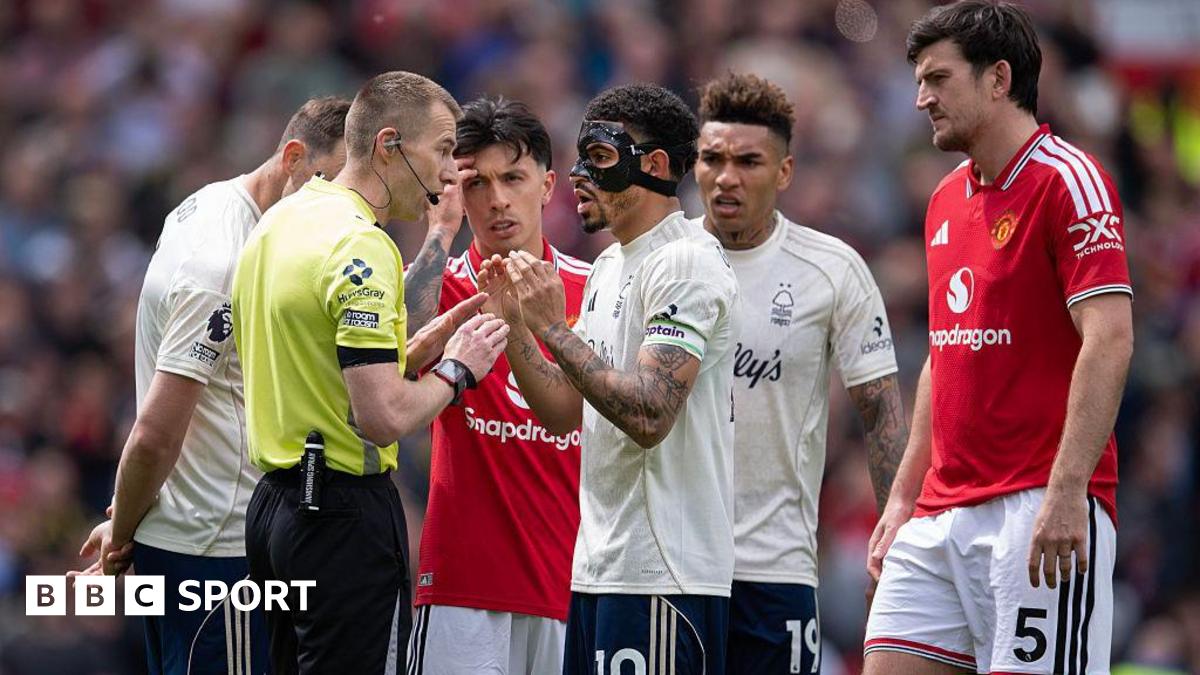
Nottingham Forest are just the latest recipients of this entirely hollow gesture. The admission from Webb that Michael Salisbury erred by not disallowing Manchester United’s goal on Sunday changes absolutely nothing on the ground. The points are gone. The league table remains stubbornly unaltered.
It is a bizarre, modern ritual. Webb, acting as the chief refereeing officer, operates less like a guardian of the rules and more like a customer service representative for a hopelessly defective product. He calls the aggrieved party, admits the product failed catastrophically, but explicitly refuses to offer a refund.
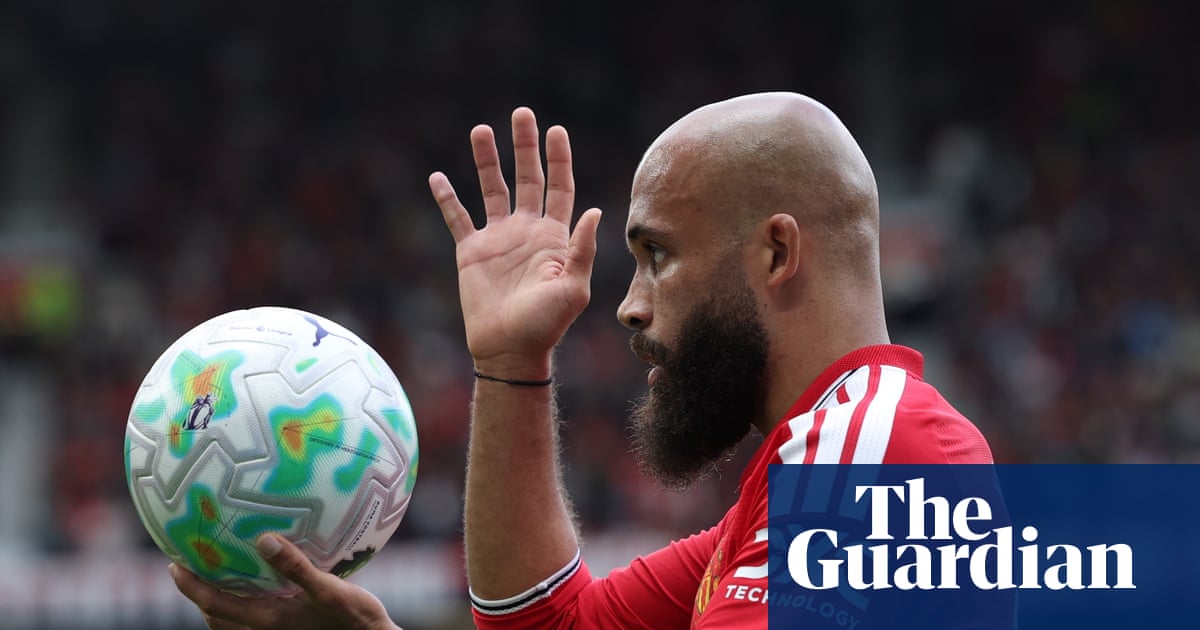
According to The Guardian, Webb admitted outright that the decision was wrong. Matheus Cunha’s goal should have been chalked off. Bryan Mbeumo clearly handled the ball in the immediate build-up.
Tactical Rigidity Undone by Error
Knowing you were factually correct provides zero comfort when you are walking away empty-handed. Forest executed a highly specific, draining game plan for nearly the entire match. They absorbed pressure, maintained their defensive shape, and restricted United’s access to the penalty area. One error from the officials destroyed all that structural work.
Let us look closely at how the match was actually being played before the intervention of pure incompetence. Forest set up with a clear intent to deny space between the lines. They sat in a compact mid-block, refusing to engage high up the pitch where United’s pace could hurt them.
Manchester United struggled massively to break this down. They held 68% possession but did very little with it. The deployment of Mbeumo and Cunha was supposed to offer fluid movement across the front line. But fluid movement means little if the opposition refuses to be dragged out of position.
Forest’s midfield anchor pushed United wide time and time again. They willingly invited crosses, backing their central defenders to deal with the aerial threat. It was a pragmatic, deeply effective strategy. It was exactly how you neutralize a technically superior attacking force on a difficult afternoon.
The Breakdown in Protocol
Then came the moment that defined the fixture. The ball strikes Mbeumo’s hand. It is not a subtle graze or an unavoidable ricochet. It is a clear contact that directly alters the trajectory of the ball and initiates the exact sequence leading to the goal.
Salisbury missed it on the pitch. That happens. The game is blindingly fast. Angles can be deceptive from ground level.
But VAR exists specifically to correct this exact type of match-altering error. The video assistant has the supreme luxury of replays, multiple camera angles, and slow motion. For the VAR booth to review that specific sequence and allow Cunha’s goal to stand is an astonishing failure of the established protocol.
You only needed to watch Senne Lammens to understand the mood inside the stadium. The Mirror noted that his actions spoke volumes during the match.
Lammens was not just angry; he was visibly dissecting the breakdown in real-time. Goalkeepers possess the best view of the pitch. They see the shape shifting ahead of them. They see the infractions that the referee, trailing the play by fifteen yards, might easily miss.
When Cunha wheeled away to celebrate, Lammens did not just slump his shoulders in defeat. His reaction was a potent cocktail of disbelief and targeted, furious anger. He knew instantly that the phase of play was illegal. He had seen the Mbeumo touch clearly from his vantage point.
United's Sterile Possession
This highlights the severe psychological toll that poor officiating takes on a squad. You ask players to maintain intense, unbroken concentration. You ask them to execute a grueling tactical plan against elite opposition. When they do everything right and are penalized anyway by an external error, the frustration is entirely justified.
Let us give some reluctant credit to United's forwards, even if the goal itself was illegitimate. Mbeumo has added a genuinely different dimension to their attack since his arrival. He operates brilliantly in the half-spaces, linking play and dragging fullbacks out of their comfort zones.
Cunha is the natural beneficiary of this movement. He is an instinctual finisher who thrives when chaos is created around him in the box. The combination should be potent on paper. But against Forest, it looked painfully disjointed for long periods of the game.
United severely lacked the vertical passing needed to break the lines. They often circulated the ball in a sterile U-shape around the Forest penalty area. It was heavy possession without any real penetration.
To understand why United were so desperate for a stroke of luck, you have to look at how effectively Forest neutralized Bruno Fernandes. Fernandes is the engine of United's progression. When he is allowed to turn and face the opposition goal, he dictates the tempo.
Forest completely denied him that luxury. They utilized a staggering defensive line, ensuring a midfielder was always tight to his back when he dropped deep to receive. He was forced to play backwards or sideways.
This tactical nullification forced Mbeumo to drop deeper than he would prefer. Instead of threatening the defensive line with inverted runs, he was coming short just to get a touch of the ball. This played perfectly into Forest's hands. They wanted United to play in front of them.
The Counter-Attacking Threat
It is also vital to note that Forest were not just passively surviving; they were actively laying traps. Their transition game was heavily reliant on quick, vertical passes immediately after turning the ball over. They recognized that United's fullbacks were pushed aggressively high up the pitch to provide width.
Whenever Forest won possession, their first look was immediately into the wide channels. They bypassed the muddy midfield scrap entirely. This forced United's centre-backs into incredibly uncomfortable foot races out near the touchline. It was a high-risk, high-reward strategy that kept United entirely honest and actively prevented them from fully committing numbers forward without fear of reprisal.
This dynamic makes the officiating failure even harder to swallow for the home support. Forest had successfully dictated the terms of engagement. They had forced United into playing a game they did not want to play. They had absorbed the pressure and were looking dangerous on the break. All the tactical markers suggested Forest were on track to secure a heavily deserved result.
United's out-of-possession structure also looked vulnerable when Forest broke the initial press. Because Fernandes was being marked entirely out of the game, United's front line lacked the cohesive pressing triggers needed to win the ball back high. Mbeumo and Cunha were often caught pressing in isolation, allowing Forest to simply pass around them and launch their counter-attacks.
This forced United into a frantic retreat, burning energy they desperately needed for their attacking phases. It was a masterclass in game management by Forest, completely undone by a failure in the VAR booth in Stockley Park.
The frustration is compounded by the historical context of these encounters. When a team operates with a massive financial disadvantage, flawless tactical execution is their only realistic weapon. They cannot afford to make a single mistake. Yet, they are routinely punished by the mistakes of the officials who are paid to ensure a level playing field.
The Illusion of Accountability
That underlying tactical failure makes the officiating error even more glaring. United did not carve Forest open. They did not produce a moment of tactical brilliance to unlock a stubborn, well-drilled defense.
They were gifted the 1-0 victory by a missed handball. The tactical setup from the home side arguably deserved a clean sheet. Instead, they get a patronizing phone call on Monday morning from the head of referees.
Howard Webb was brought in to fix this exact structural issue. He was supposed to bring transparency and consistency to the PGMOL. The transparency is certainly there now. We get regular, embarrassing admissions of guilt broadcast to the public.
But transparency without actual improvement is just managed decline. Knowing exactly why an error occurred does not prevent it from happening again next week in another decisive fixture.
The core issue lies in the interpretation of the rules and the lingering reluctance of VAR to overrule the on-field referee. There is a toxic culture of deference that undermines the entire video review system. If the VAR sees a clear handball in the build-up, the highly subjective threshold of a clear and obvious error should not even matter. A handball is a binary event. It either happened or it did not.
In this specific case, it undeniably happened. Mbeumo gained an unfair, illegal advantage. Cunha scored. Salisbury waved it on. The system failed spectacularly at every conceivable level.
Consequences on the Pitch
Forest's manager cannot coach his players to defend against a handball. He cannot draw up a set-piece routine to counter an officiating error. The entire premise of tactical preparation relies on the referee enforcing the boundaries of the contest.
When those boundaries fail, the game descends into a lottery. Cunha's finish was admittedly clinical. When the ball eventually fell to him, he didn't hesitate. He took it early, relying on pure instinct. But that opportunity was entirely manufactured by the preceding illegality.
The handball disrupted Forest's defensive timing. When a player handles the ball, even subtly, it alters the rhythm of the play. Defenders hesitate for a fraction of a second, instinctively expecting the whistle to blow. In the Premier League, a fraction of a second is all an elite forward needs.
Mbeumo's touch allowed the ball to drop favorably rather than being cleared. It forced the Forest defensive line to rapidly readjust their footing. By the time Cunha pulled the trigger, the defensive structure was fractured. It was a goal born not from attacking ingenuity, but from a breakdown in the rules of the game.
Forest must now attempt to regroup. The Premier League is an unforgiving environment. You cannot dwell on a stolen result, even when the head of referees publicly confirms you were robbed blind.
Tactically, they can take massive positives from their defensive organization. They proved they can stifle a highly-priced, heavily hyped attacking unit. If they maintain that rigid structural discipline, they will pick up points elsewhere.
As for Manchester United, this narrow win masks some serious structural flaws in their build-up play. Relying on officiating blind spots is not a sustainable long-term strategy for a club with title ambitions. They desperately need to find ways to penetrate deep blocks without needing the rub of the green.
The broader narrative will inevitably move on. Next weekend will bring a new set of fixtures and, inevitably, a brand new set of controversies to argue over.
Another manager will fume on the touchline. Another set of passionate fans will feel completely cheated. And Howard Webb will start preparing for his next round of Monday morning phone calls. It is, tragically, the only consistent thing about Premier League officiating right now.
Adidas Tiro League Soccer Ball
The perfect match-day ball for high-intensity training.
More Coverage
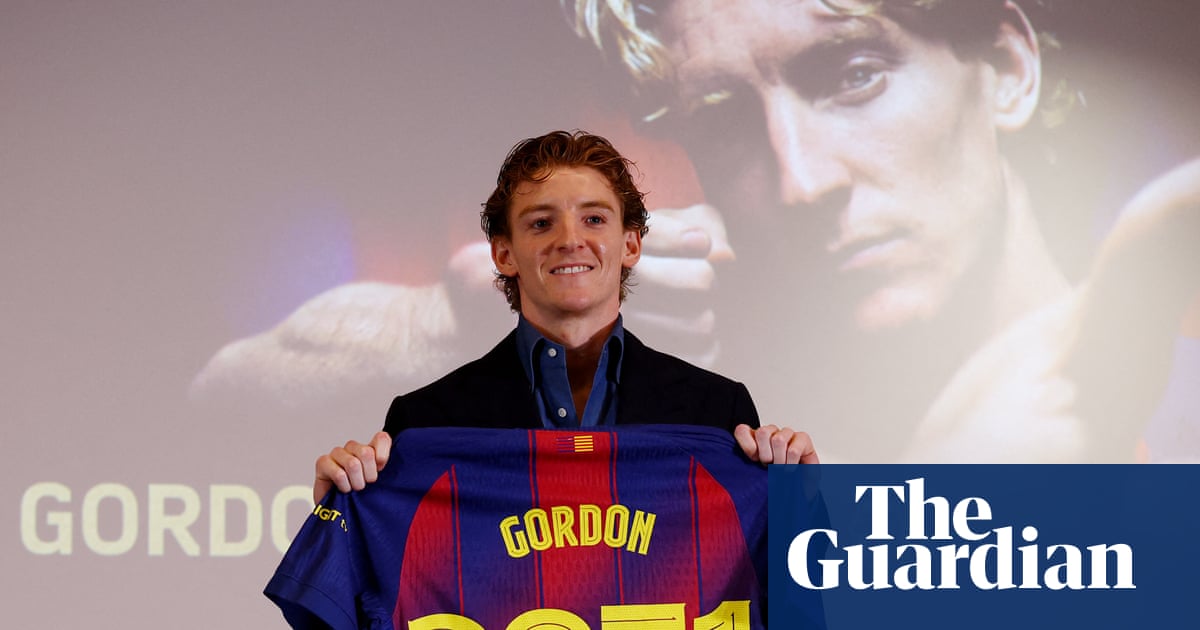
Anthony Gordon to Barcelona is a high-stakes gamble for all involved
2 minutes ago
Anthony Gordon to Barcelona marks a high-stakes gamble
an hour ago
Arsenal's 104 million gamble on Julian Alvarez is pure chaos
an hour ago
Top 10: The Definitive Arsenal Moments of the 2025/26 Season
3 hours ago
Michael Skubala takes the hot seat at Ashton Gate
3 hours ago
Newcastle are burning the furniture to keep the house warm
3 hours agoMore Analysis
PGMOL's apology to Forest proves VAR is basically a suggestion box
1 week, 4 days ago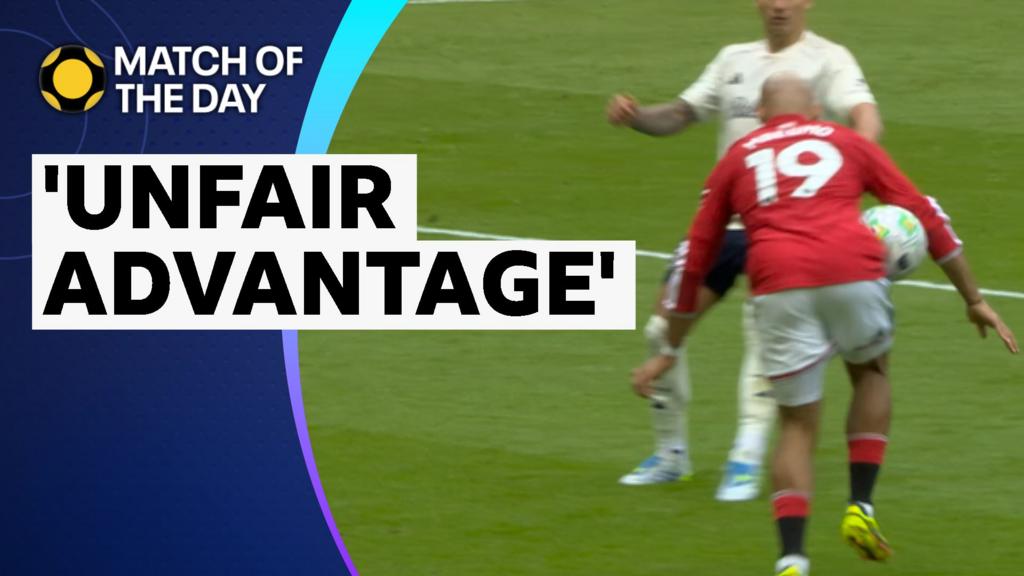
How Mbeumo's arm saved Man United from a massive tactical failure
1 week, 4 days ago
Old Trafford's latest VAR misery proves the system is fundamentally broken
2 months, 1 week ago
Old Trafford's latest VAR disaster is a sign of a deeper rot
2 months, 1 week ago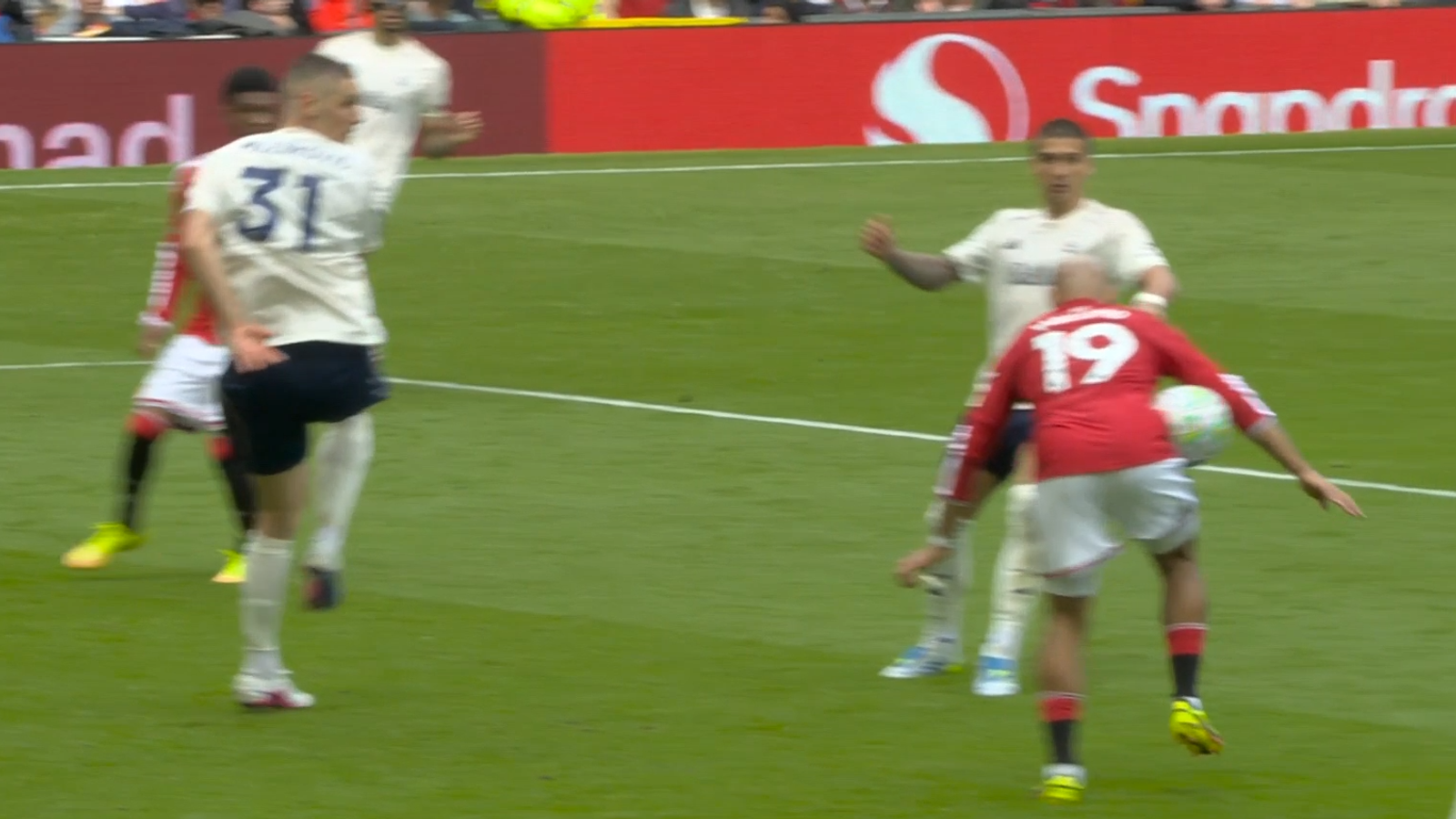
The timeline is entirely broken over Matheus Cunha's goal
1 week, 4 days ago