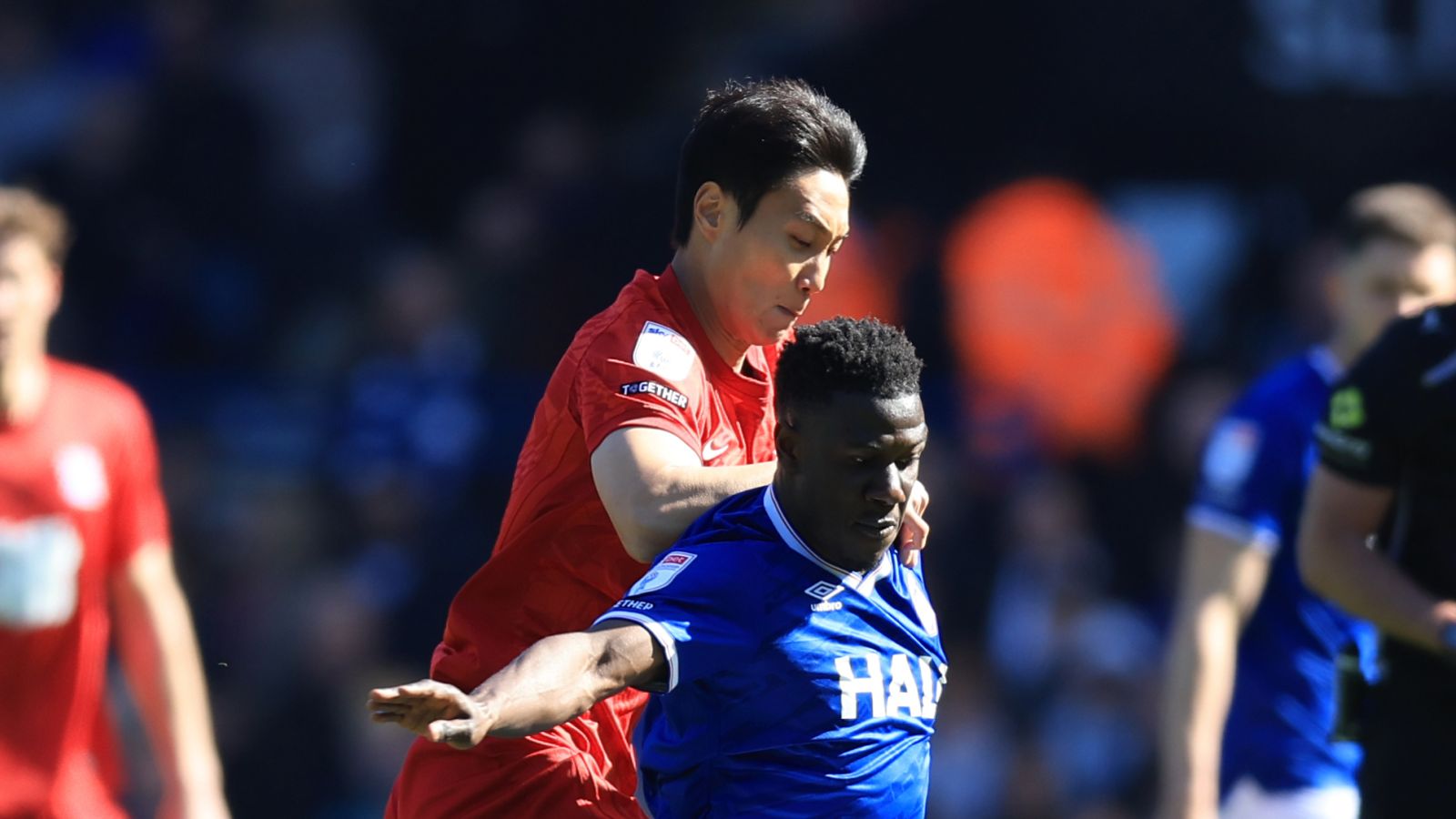
Measuring the gap between form and expectation
Ipswich Town are currently trending at 1.94 points per game, a figure that defies most preseason metrics regarding newly promoted sides. While traditional data models predicted a struggle for survival, Kieran McKenna’s team has maintained a passing accuracy of 78% under high-pressure scenarios in the final third. This consistency explains why they remain in the conversation for automatic promotion despite having a squad valuation significantly lower than their rivals in the top four.
Leicester City’s late-season tactical decay
Conversely, Leicester City’s trajectory reveals a alarming statistical decline that looks like a technical collapse. Since the start of March, their defensive efficiency has dropped by 22%, conceding an average of 1.8 goals per match. This surge in volume coincides with a decrease in transition speed, as noted in the most recent EFL takeaways from Aaron McLean.
The Foxes are no longer winning the ground duels they dominated in the autumn, dropping their win rate in 50/50 challenges from 54% to 41% across the last six rounds of fixtures. This drop-off is a clear indicator of systemic fatigue or a loss of tactical buy-in. When a team loses the physical battle in midfield at such a high frequency, the defensive line is forced into deeper retreats, leaving them vulnerable to counter-pressing.
The correlation between possession and error
Watching Leicester operate currently reveals a lack of urgency in the buildup phase, resulting in a predictable stagnation of play. They are averaging 62% possession but managing only 3.2 shots per game that actually test the goalkeeper's positioning. That disparity between controlling the ball and creating high-quality chances represents a failure in the final-third architecture.
Ipswich, meanwhile, are over-performing their expected goals (xG) metrics by about 12% because of their clinical movement in the box. While critics argue this efficiency is unsustainable, the data suggests their shot selection is disciplined rather than lucky. They wait for high-percentage cutback opportunities rather than taking low-probability efforts from distance, maintaining an average shot distance of 14.8 yards.
The reality is that Leicester possess the individuals to escape this rut, but the collective numbers suggest a broken structure. If they do not fix their secondary-ball recovery rates—which have plummeted since February—the gap between their current standing and potential relegation will widen further. The data indicates this is no longer a slump; it is a trend line heading in the wrong direction.
Read Next
- Saturday afternoon EFL chaos as Southampton and Leicester fall apart
- Championship promotion race is turning into a chaotic slog
- Ipswich and Norwich navigate aftermath of high-stakes East Anglian derby
- Ipswich just snatched the momentum in the Championship promotion race
- 🏟 EFL Championship 2025-26 — Promotion Race & Play-Off Final Hub