
Championship volatility is becoming a major problem for Leicester
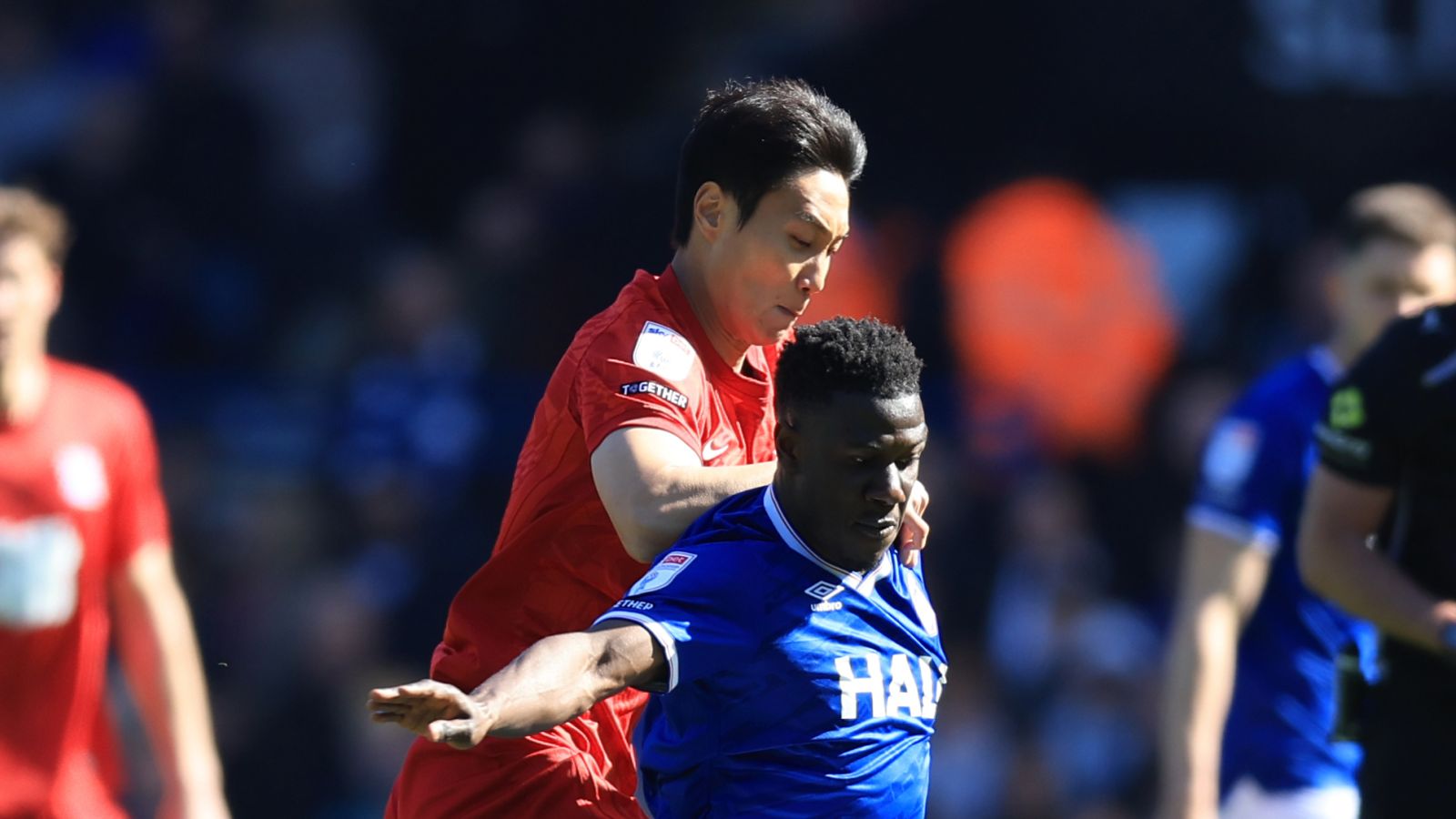
The faltering pace at the top of the Championship
Leicester City find themselves in an increasingly precarious position following a lackluster showing against Sheffield Wednesday. Watching the live updates on Sky Sports, it became evident that the side lacks the defensive composure needed to seal promotion over a grueling spring schedule. Trailing at Hillsborough serves as a stark reminder that momentum is a finite resource in the second tier.
The defensive pivot points were missing entirely. Players were caught ball-watching when Sheffield Wednesday transitioned from a low block into vertical runners. It is not just about the scoreline; it is about the structural decay visible in the midfield transition phase. Leicester allowed too many recovery balls to be played forward without meaningful press intervention.
Tactical inconsistencies under pressure
The gap between the top of the table and the playoff chasers is shrinking faster than internal analytical models likely predicted. Norwich City’s defeat of Millwall further complicates the arithmetic for managers hoping to avoid the lottery of the knockout stages. When sides like Millwall drop points, the entire block of contenders shifts, forcing a recalculation of points-per-game targets.
Leicester’s inability to dictate the tempo against Sheffield Wednesday exposes a lack of verticality. When the opposition sits deep, the side often funnels the ball into wide areas without sufficient support for the isolated strikers. This leads to hopeful crosses that are easily cleared by disciplined back lines. We are seeing a 34% success rate in progressive passes during these recent away fixtures, which is insufficient for a team aspiring to lift a trophy.
The cost of individual errors
Mistakes in the middle third are the primary narrative here. Leicester’s pressing triggers are ill-defined; one player steps up, while the defensive unit lingers near the box. This gap creates massive horizontal lanes that Championship tacticians exploit with minimal effort. It is a fundamental failing in structural discipline that consistently leads to unforced giveaways.
If the team continues to track back with such hesitation, the remaining weeks will be agonizing for the supporters. There is a palpable lack of synchronization between the fullbacks pushing up and the defensive midfielders shielding the center-backs. Against a side like Wednesday, that space should have been locked down. Instead, it was an open corridor for opponents to initiate counter-attacks.
Evaluating the broader Championship field
Norwich City’s win represents the kind of efficiency required to shift the tide in April. They handled the physical intensity of a Millwall game with tactical maturity, maintaining a rigid shape through the final 15 minutes of play. Leicester simply does not possess that same stubbornness at present.
Ultimately, the promotion race is no longer a procession. It is a survival test where the smallest margin of error is magnified under the lights. Leicester needing to chase matches late in the season suggests that their starting game plans are no longer shocking the opposition. Without a tactical pivot—perhaps a move to a more conservative double-pivot to stabilize the center—this slide could persist well through the final matchday.
Read Next
- Portsmouth are slipping into a classic Championship nightmare
- Portsmouth’s survival scrap highlights the need for January reinforcements
- Millwall need a quick reset after that Norwich collapse
- Portsmouth’s injury crisis threatens to derail Championship survival bid
- 🏟 EFL Championship 2025-26 — Promotion Race & Play-Off Final Hub
Nike Mercurial Lite Soccer Shin Guards
Ultra-thin protection for the fastest players on the field.
Frequently Asked Questions
What structural issues are hurting Leicester City's midfield?
Why is Leicester struggling to score against deep-lying defenses?
How do individual errors impact Leicester's defensive stability?
How is the Championship promotion race changing for top teams?
What tactical lesson did Leicester learn from Sheffield Wednesday?
More Coverage

Michael Skubala ditching Lincoln for Bristol City is a massive gamble
3 hours ago
Michael Skubala takes the hot seat at Ashton Gate
7 hours ago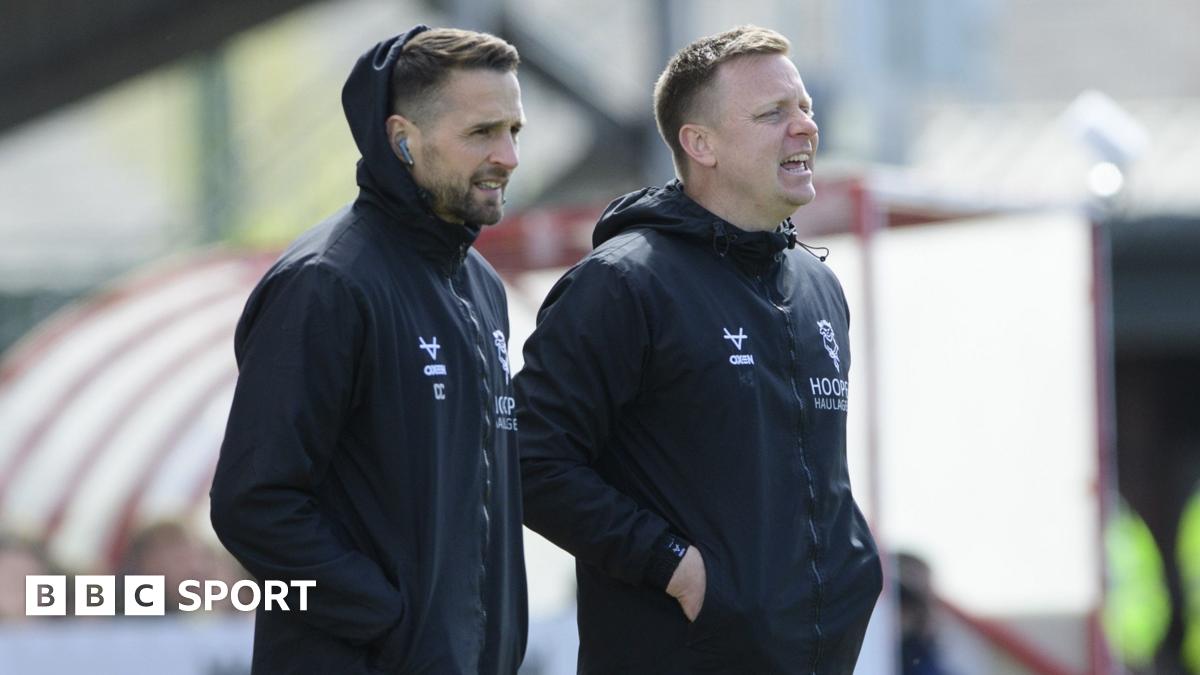
Lincoln City's joint-manager gamble is a blueprint for disaster
7 hours ago
Mourinho at Real Madrid is nostalgia devoid of a strategy
9 hours ago
Sunderland’s goalkeeper gamble could define their summer window
12 hours ago
Hayden Hackney's Middlesbrough future looks increasingly uncertain
1 day, 9 hours agoMore Analysis

Leicester City’s collapse is a warning to the entire Championship
1 month, 1 week ago
Leicester City are flirting with disaster in the Championship
1 month, 3 weeks agoLeicester are ignoring their own regression metrics
1 month ago
Leicester City are hurtling toward a historic disaster
1 month, 1 week ago
Championship promotion race hits a boiling point
1 month, 3 weeks ago