McKenna has built a machine while Martin is stuck in a loop
The Championship is the most beautiful, chaotic, and exhausting league in world football. As we head into the final weekend of the 2025/26 season, the narrative has shifted from a three-horse race to a straight shootout for the second automatic spot. Ipswich Town’s 3-2 victory over Southampton yesterday didn't just confirm the Saints' fate in the play-offs; it exposed the fundamental tactical gap between these two sides.
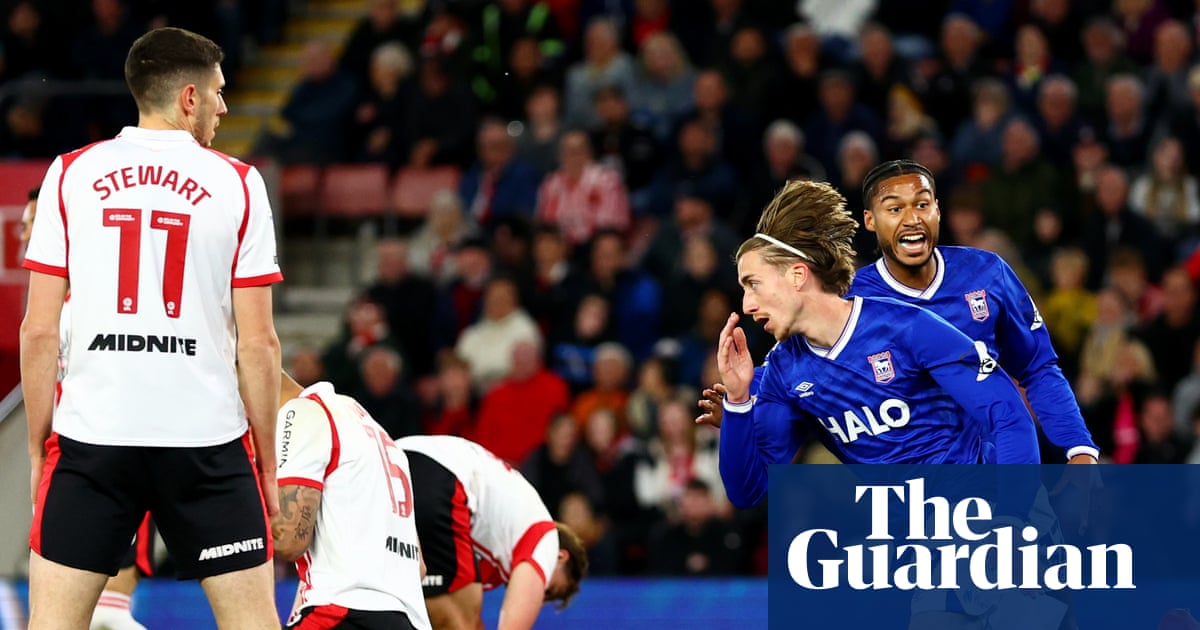
Kieran McKenna has turned Portman Road into a laboratory for high-efficiency transition football. While Russell Martin’s Southampton are obsessed with the ball, McKenna is obsessed with what you do when you do not have it. That was the difference at the 88th minute when Leif Davis found space to fire home the winner. It was a goal born from a deliberate structural failure in the Southampton backline.
The Saints now find themselves condemned to the play-off lottery. For a team that has averaged 67% possession across the season, failing to secure a top-two finish feels like a structural indictment. You can pass the opposition into exhaustion, but if you cannot defend a simple long-ball transition in the dying moments, you do not belong in the Premier League yet.
The geometry of the Ipswich transition machine
Tactically, Ipswich are a nightmare to prepare for because they do not rely on individual brilliance. They rely on spacing. In the build-up, they often resemble a 3-2-5, with the full-backs pushing high and wide to stretch the opponent's defensive horizontal lines. This creates massive interior pockets for players like Conor Chaplin to exploit.
Against Southampton, we saw this work to perfection. Every time the Saints lost the ball in the middle third, Ipswich triggered a three-man vertical sprint. It is not just about speed; it is about the angles. They don't just run toward the goal; they run into the half-spaces that Russell Martin’s inverted full-backs leave vacated. This is why Ipswich have scored more goals in the final 15 minutes of games than anyone else this term.
McKenna’s side plays with a level of automation that is rare outside of the top six in the top flight. They know exactly where the second ball is going to land before it even leaves the foot of the keeper. It is a level of drilling that makes them favorites to hold their nerve on the final day. They aren't playing against the opponent; they are playing against the clock and their own patterns.
Southampton and the possession paradox
There is a stubbornness to Southampton that is starting to look like a liability. Russell Martin is a tactical fundamentalist. He believes that if you have the ball, the opponent cannot hurt you. But at this level, that is a fantasy. Ipswich showed that you only need the ball for 22 seconds to score if the structure you are attacking is poorly balanced.
The Saints' high line is suicidal when the press isn't perfectly synchronized. In the first half, we saw three separate occasions where a simple diagonal ball over the top left Jan Bednarek isolated against raw pace. It is a recurring theme that Martin seems unwilling or unable to fix. If they take this rigidity into the play-offs, they are going to be picked apart by a more pragmatic side like West Brom or Hull.
The numbers back this up. Southampton have the highest xG against from counter-attacks in the division. They are essentially a glass cannon—brilliant when they are firing, but incredibly easy to shatter if you survive the initial barrage. Yesterday’s result was not an anomaly; it was the inevitable conclusion of a season spent playing with fire.
Predicting the final day drama
So, where does this leave the race? Ipswich face a Huddersfield side that is already looking toward next season. Given the momentum from the Southampton win, it is impossible to see them dropping points at home. Portman Road will be a furnace. I expect a fast start, a goal within the first 20 minutes, and a comfortable afternoon for the Tractor Boys.
Leeds United, their primary rivals for that second spot, have a much tougher assignment. They are playing a side with something to fight for, and their recent form away from home has been patchy at best. The psychological weight of seeing Ipswich pull ahead early will likely cause a collapse in composure. We have seen this Leeds side struggle when the pressure ramps up in the final third of the season.
My prediction is clear: Ipswich secure the second automatic spot with room to spare. They are the more coherent unit and, frankly, the more modern team. McKenna has modernized the Championship approach, moving away from the old-school physical battles toward a game of elite-level positioning and transition triggers. They are ready for the jump.
"We knew they would have the ball, but we knew exactly where they would lose it. That was the plan from minute one."
The play-off graveyard awaits the Saints
As for Southampton, the play-offs look like a grim prospect. The knockout format does not favor teams that refuse to adapt. In a two-legged semi-final, an opponent only needs to sit deep and wait for the inevitable defensive lapse. The Saints lack a Plan B. When the short passing game is suffocated, they don't have the physical presence to go long or the defensive solidity to grind out a 0-0.
There is a very real chance they exit at the semi-final stage. The emotional fallout from missing out on automatic promotion after such a dominant period in mid-season is hard to overstate. Players like Adam Armstrong look tired. The rotation has been minimal, and the tactical demands are high. They are running on fumes while their play-off opponents are peaking at the right time.
Ipswich, meanwhile, will be celebrating. They have proven that a clear identity and a well-drilled system can overcome a massive wage bill and parachute payments. It is a victory for coaching over spending. On the final day, the table will reflect the truth: Ipswich are simply a better-functioning football team than the one they just condemned to the play-offs.