The anatomy of a late collapse
The Championship does not respect your nerves. It is mid-April, the pitches are getting drier, the legs are getting heavier, and the margins for error have vanished entirely.
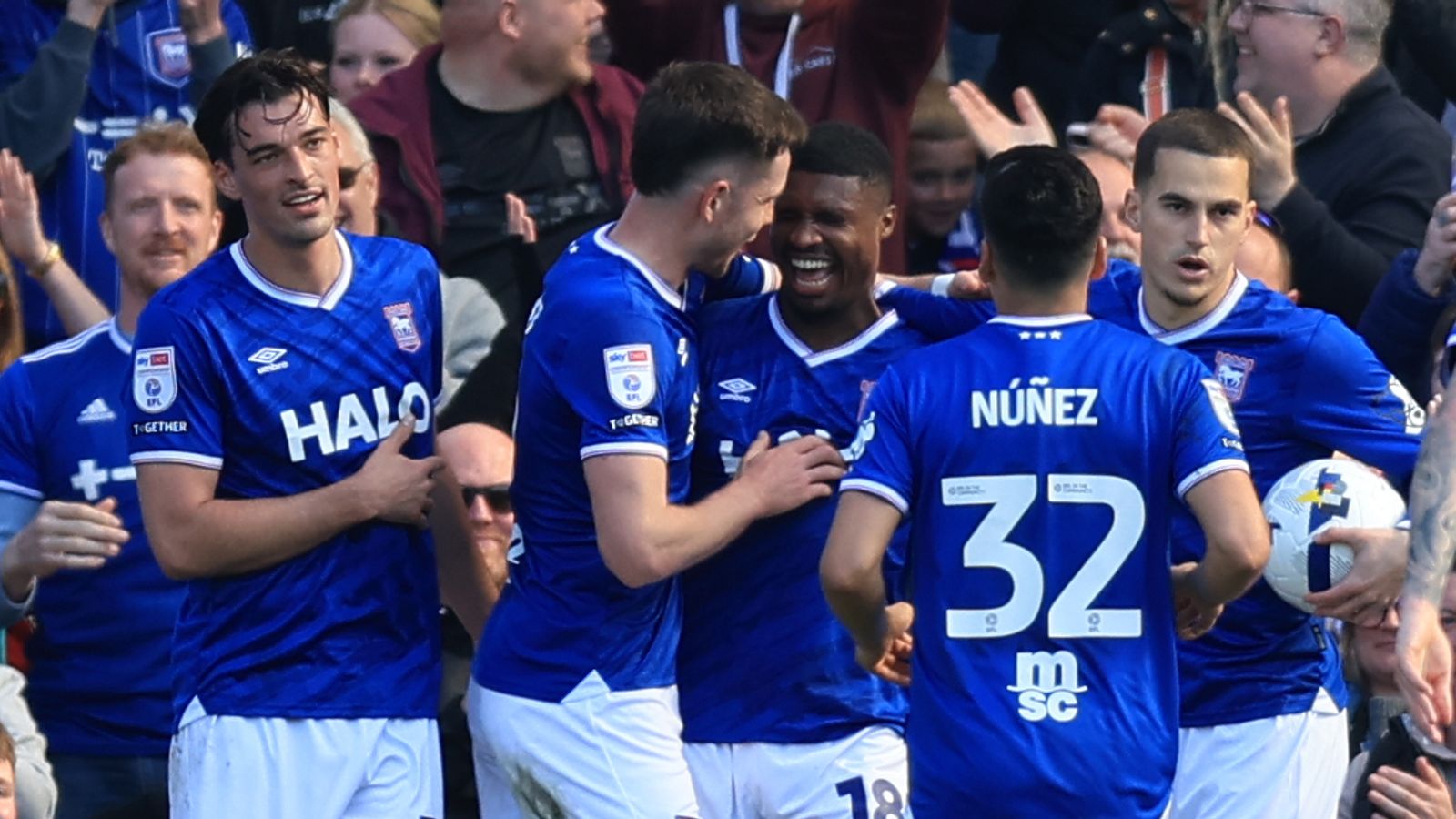
Sunday’s 2-2 draw between Ipswich and Middlesbrough was a perfect distillation of this late-season madness. For 80 minutes, it looked like Middlesbrough were finally going to snap their miserable run. They had set up with a rugged defensive block, frustrating an Ipswich side that had struggled to break lines efficiently.
But football matches in this division are rarely settled by early tactical plans. They are settled by late substitutions, tired minds, and the referee's whistle. As The Guardian reported, the dramatic finish defined the afternoon:
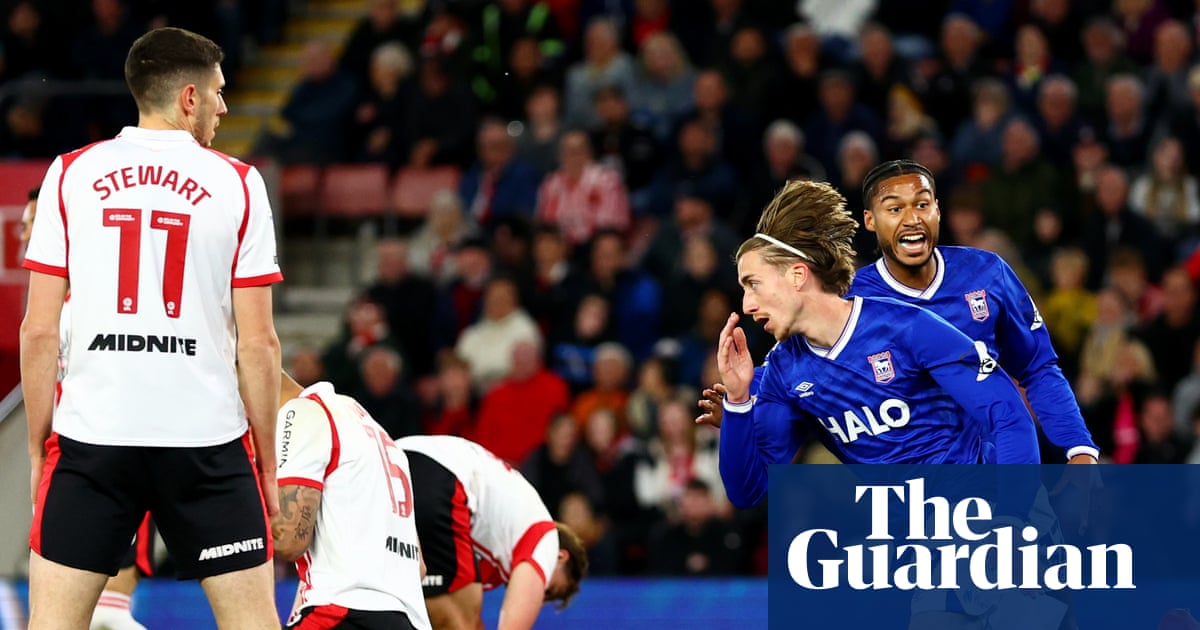
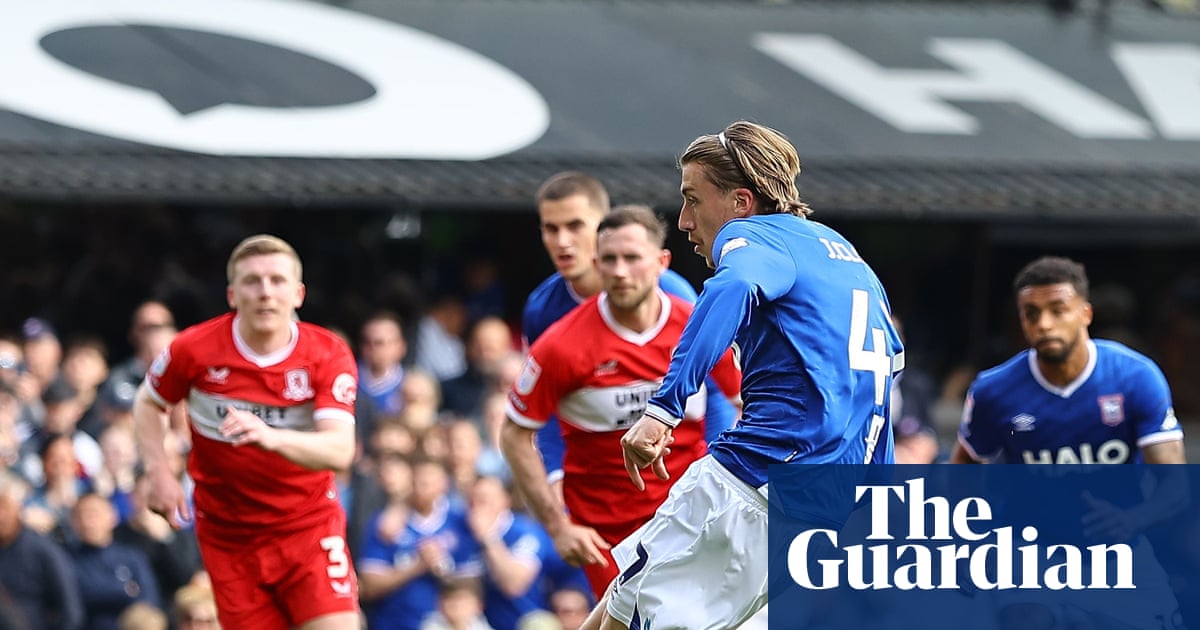
"Jack Clarke fired home an 87th-minute penalty to save a point for Ipswich in a pulsating 2-2 draw with their promotion rivals."
Let's analyze the turning point. Jarred Gillett is an experienced official, but his decision to award Ipswich that late spot-kick will be debated on Teesside all week. The penalty was given when Adilson Malanda was adjudged to have tugged substitute George Hirst inside the area.
Was there contact? Yes. Malanda had a fistful of Hirst’s shirt. Was it enough to bring a striker of Hirst's physical profile crashing down? That is highly debatable.
Here is the harsh reality: Malanda gave the referee a decision to make. When you are on a seven-match winless run, you cannot afford to invite that kind of jeopardy. It was a naive defensive action from a player who should have known better, especially with the ball running away from the immediate danger zone. It was a failure of basic defensive discipline.
A tale of two tactical setups
Ipswich won't care about Boro's defensive naivety. They care about the point. They care about moving into second place in the table.
As Sky Sports noted, the fact that Ipswich moved second after such a disjointed performance highlights the brutal, results-driven nature of this division.
Jack Clarke took the ball. Think about the pressure on that penalty. The automatic promotion spots are a snake pit. Every point dropped is amplified. Clarke stepped up and dispatched it with a coldness that belongs in the Premier League.
That penalty didn't just rescue a game; it rescued a weekend. Ipswich had looked dead and buried. Finding two goals in the space of five frantic minutes completely flipped the narrative of their afternoon.
How did they do it? Let's look at the tactical shift.
Before Hirst came on, Ipswich were trying to play through the center of Middlesbrough's low block. They were hitting a brick wall. Boro were perfectly happy to concede possession in the middle third, knowing they had the numbers to crowd out the final pass.
Ipswich's full-backs, usually so influential in their build-up play, were pinned back for long periods. Boro's wingers tracked back diligently, doubling up on the wide areas and forcing Ipswich to cycle the ball predictably across the back line. This is where you see the value of a physical striker. When the wide avenues are closed off, you need someone who can wrestle a center-half for an ugly long ball.
The introduction of Hirst changed the geometry of the pitch. He gave Ipswich a reference point. They stopped trying to thread needles and started playing the percentages. They put the ball into the mixer.
It is not sophisticated, but it is effective. The second you introduce a physical focal point, you force defenders like Malanda to engage in physical duels rather than just stepping into passing lanes. You invite chaos.
The midfield battleground
Let’s talk about Ipswich’s midfield pivot. For large portions of the game, they were entirely bypassed by Middlesbrough’s rapid transitions. When you deploy a possession-heavy system, your central midfielders must act as a shield when the ball is lost.
Against Boro, that shield was completely absent. Time and time again, Middlesbrough won the ball deep in their own half and immediately found runners in the channels. Ipswich’s center-backs were left isolated, forced into desperate covering tackles.
It was a glaring structural failure. The spacing between the midfield line and the defensive line was far too wide. This is a recurring issue for Ipswich when they face teams willing to sit deep and break with pace.
Middlesbrough exploited this brilliantly for 80 minutes. They used the flanks efficiently, dragging Ipswich’s full-backs out of position before attacking the half-spaces. It was a masterclass in counter-attacking football, right up until the moment their legs gave out.
And that is the great tragedy of Boro's performance. They executed a highly demanding tactical plan almost perfectly. But "almost" counts for absolutely nothing at this stage of the season.
The psychological toll of the run-in
The physical toll of defending in a low block and breaking at maximum speed is immense. By the 75th minute, you could see the Middlesbrough players visibly wilting. The distances between their units began to stretch. The pressing became half-hearted.
Ipswich recognized this immediately. They realized that they didn't need to play through Boro anymore; they just needed to run over them.
This brings us to a fascinating point about squad management in the Championship. Over a grueling season, depth is often more important than the starting eleven. Ipswich have built a squad capable of maintaining intensity. Middlesbrough, crippled by poor form, clearly do not have the same reserves.
When the game became stretched and messy, Ipswich had the answers. They threw caution to the wind and overloaded the final third. It generated the exact scenario they needed: chaos in the opposition penalty area.
But Ipswich cannot ignore the fact that they were outplayed for long stretches. Their initial game plan failed. They were too slow in possession and allowed Middlesbrough to dictate the tempo entirely.
If they perform like this against a team that doesn't panic in the final ten minutes, they will be punished.
Looking ahead: The final push
The next few weeks are going to be brutal. There are no easy games left. There are only teams fighting for promotion and teams fighting for their lives.
What should we watch for in Ipswich's next outing? I will be looking closely at how they start the game. They cannot afford another sluggish opening. They need to assert dominance early, rather than waiting for desperation to kick in.
If they can sort out their first-half lethargy, they have the firepower to stay in the top two. Clarke is in lethal form. Hirst offers an excellent alternative option off the bench. The squad depth is visibly there.
It is prediction time.
Ipswich have the momentum. That late draw will feel like a victory in their dressing room. Middlesbrough, on the other hand, will feel like they just threw away their entire season.
I am backing Ipswich to secure automatic promotion. They are not playing beautiful football right now. They are playing desperate, ugly football. But in late April, ugly football gets you promoted. They have the resilience to rescue points when they go behind, and that matters more than tactical perfection.
Middlesbrough are done. The psychological damage of this result will be the final nail in the coffin. You cannot concede two late goals in a vital promotion clash and expect to bounce back immediately. They are a team running on empty.
The Championship is a cruel league. It exposes your deepest flaws at the worst possible time. On Sunday, it exposed Middlesbrough's fragility, and it highlighted Ipswich's relentless will to win.
Read Next
- Ipswich and Middlesbrough just turned Portman Road into a tactical mosh pit
- Jack Clarke saves Ipswich while Middlesbrough fans lose their minds
- Ipswich and Middlesbrough prepare for a Portman Road shootout
- Frank Lampard Championship Manager of the Season is peak chaos
- 🏟 EFL Championship 2025-26 — Promotion Race & Play-Off Final Hub